Award-Winning AP English Literature and Composition Tutors
serving Pittsburgh, PA
AP English Literature and Composition
Tutors in Pittsburgh
Private 1-on-1 tutoring, weekly live classes for academic support, test prep & enrichment, practice tests and diagnostics, and more to elevate grades and test scores.
Based on 3.4M Learner Ratings
UniversitiesSchools & Universities
DeliveredHours Delivered
ProficiencyGrowth in Proficiency
Who needs tutoring?
No obligation. Takes ~1 minute.

AP Lit asks students to do something genuinely difficult: read a poem or passage they've never seen and produce a polished analytical essay under time pressure. Kirstie teaches close-reading techniques — tracking imagery patterns, identifying shifts in tone, unpacking syntax choices — that give students a repeatable framework for any unseen text. Her own background in literature and comparative literature means she can draw connections across periods and genres that deepen a student's analysis.
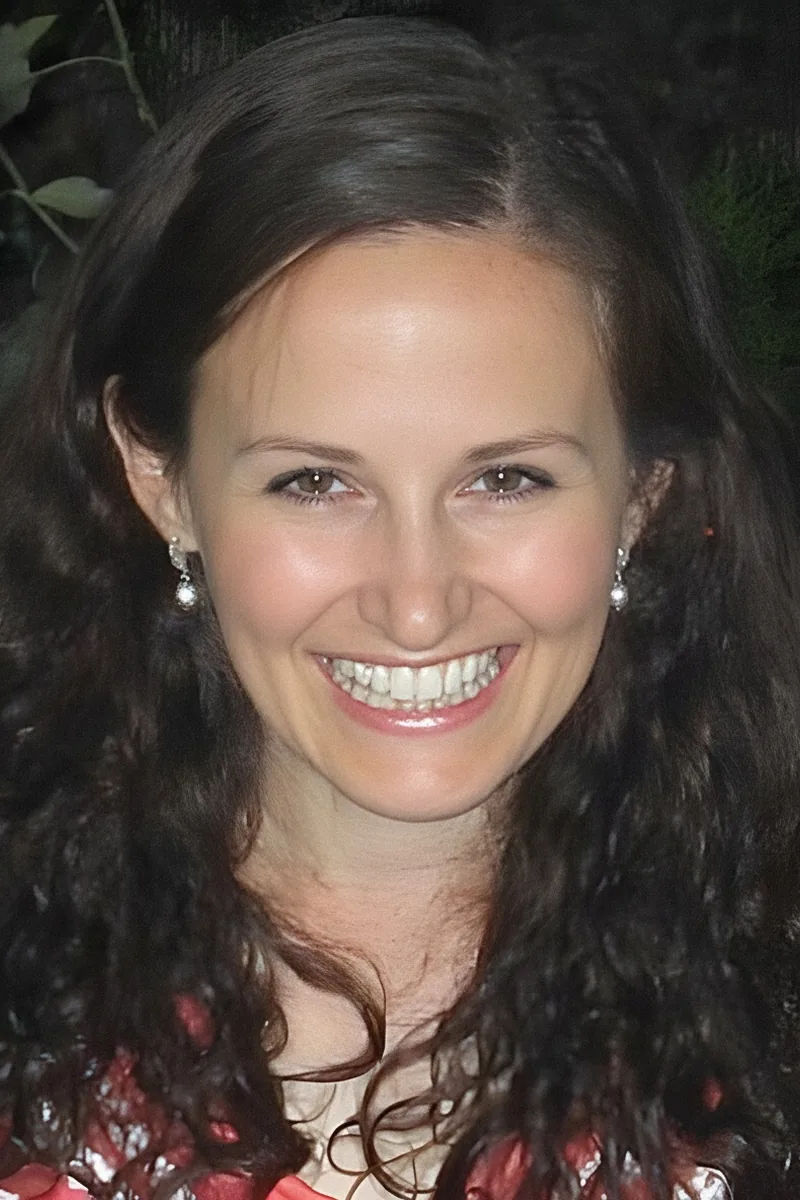
AP English Literature asks students to do exactly what Winnie was trained for: read a poem or prose passage cold and produce a sharp, thesis-driven essay under time constraints. Her comparative literature background means she can teach students to analyze imagery, narrative voice, and structural choices across traditions — from Victorian novels to postcolonial fiction — with the specificity the exam demands.
AP Lit asks students to do something most haven't practiced: build a literary argument under time pressure using only the text in front of them. Rebecca teaches close-reading strategies for poetry and prose — identifying shifts in tone, tracking imagery patterns, and constructing thesis-driven free-response essays that earn high marks.
A PhD in Religion and a bachelor's in philosophy gave Chang deep experience doing exactly what AP Lit demands: close reading of complex texts and constructing interpretive arguments under pressure. He teaches students to move beyond plot summary and build thesis-driven essays that analyze literary devices, narrative structure, and authorial intent with real textual evidence.
AP Lit asks students to do something genuinely difficult: read a poem or prose passage cold and produce a polished analytical essay under time pressure. Noelle unpacks literary devices like imagery, tone shifts, and narrative structure by showing how each one serves the author's larger argument — the kind of close reading that earns high marks on the free-response questions. Her love of reading and writing gives her a natural ear for the nuances the exam rewards.
Earning a Secondary Teacher's certification while studying English means Hailey is learning not just how to analyze literature but how to teach that analysis — breaking down why a particular stanza's enjambment or a narrator's shifting reliability matters, then coaching students to articulate those insights in timed, thesis-driven essays. Her 32 ACT and 5.0 tutoring rating back up an approach rooted in making the leap from 'I noticed something' to 'here's my argument about what it means.'
AP Lit demands more than plot summaries — it requires students to analyze how literary devices like imagery, tone shifts, and narrative structure create meaning. Rima's deep love of reading and writing shows up in how she teaches close reading, training students to build the kind of textual arguments that score well on the free-response essays.
AP Lit asks students to do something genuinely difficult: read a poem or passage cold, figure out what it's doing on a craft level, and write a persuasive argument about it in forty minutes. Owen's theatre training means he reads texts for subtext, rhythm, and intent — exactly the analytical instincts the exam's free-response questions reward. He also digs into essay structure so students learn to build tight, evidence-driven paragraphs under time pressure.
AP Lit demands more than understanding a poem — it requires writing a timed, thesis-driven essay that makes an interpretive argument about how literary techniques create meaning. Jamie's English degree from Birmingham-Southern and law training at Fordham built exactly that skill set: close reading combined with persuasive, evidence-based writing under pressure. Rated 4.9 by students.
AP English Lit lives at the intersection of close reading and persuasive writing, and Joanne has spent years sharpening both skills — first through her English degree at Santa Clara and then through graduate work at Michigan. She digs into how students construct thesis-driven essays on poetry and prose, teaching them to move from surface-level plot summary to arguments about imagery, structure, and narrative voice that earn top scores.
AP English Literature asks students to do in a timed essay what Alex has spent years training to do at the doctoral level: construct an argument about a literary text using precise evidence and sophisticated analysis. He digs into the specific skills the exam rewards — reading poetry for structure and figurative language, writing thesis-driven essays under pressure, and choosing the right passage for the open-ended prompt. His PhD research in English means students are learning from someone who lives inside these texts.
AP Lit asks students to do something most haven't practiced: write a polished literary argument under pressure, using textual evidence with precision. David breaks down each essay type — the poetry analysis, the prose fiction analysis, the literary argument — and shows how to build a thesis that goes beyond plot summary into genuine interpretation.
AP English Lit asks students to do something genuinely difficult: read a poem or prose passage cold and produce a polished analytical essay under time pressure. Alex studied English and Theater at Bowdoin, which means he approaches texts through both literary close reading and the performative question of how language creates effect. He walks students through crafting thesis-driven essays that move beyond plot summary into real interpretive argument.
AP English Literature asks students to do something genuinely hard: read a poem or passage cold and produce a coherent analytical essay under time pressure. Kahini earned her English degree at Brown, where close reading of literary form — meter, narrative structure, figurative language — was the daily expectation. She teaches students to build an argument from a single textual detail outward rather than summarizing plot.
AP Lit rewards the kind of close reading Lisa has practiced for years as a published author and journal editor — noticing how a writer's diction, imagery, or syntax creates meaning beyond the surface. She digs into poetry and prose with students, teaching them to build essay arguments around specific literary devices rather than vague thematic summaries. Her 4.9 rating speaks to how well that approach lands.
AP Lit asks students to do something most haven't practiced: build a literary argument under a ticking clock, using specific textual evidence and sophisticated analysis of devices like imagery, tone shifts, and narrative structure. Jonathan is an active fiction writer studying at The Writers Studio in Manhattan, which means he reads prose the way the exam demands — with an eye toward how authors construct meaning at the sentence level. That craft-level awareness translates directly into the kind of close reading the free-response essays reward.
AP Lit asks students to do something most haven't practiced — write analytically about how a poem's structure or a novel's narrative technique creates meaning, not just summarize plot. As a Yale humanities student and avid reader, Tessa digs into the close-reading skills that earn high marks on the poetry free-response and the open-ended essay. She's particularly sharp on teaching students to move from observation ('there's a metaphor here') to argument ('here's what it does and why it matters').
AP Lit asks students to do something genuinely difficult: read a poem or prose passage cold and produce a polished analytical essay under time pressure. Merav's MFA in Theater Arts means she spent years dissecting dramatic texts for subtext, imagery, and structural choices — exactly the interpretive muscles this exam tests. She teaches students to build a thesis from a single, well-chosen literary device rather than summarizing plot.
AP Lit asks students to do something genuinely difficult: read a poem or prose passage cold and produce a coherent literary argument in 40 minutes. Michelle, whose background spans history and comparative literature, teaches students to build claims around specific devices — imagery patterns, shifts in tone, narrative framing — rather than summarizing plot. That analytical muscle is what earns 4s and 5s.
AP Lit is Meagen's sweet spot. As an English major at Carleton College who genuinely lights up over close reading, she digs into how literary devices function within a text — not just identifying a metaphor but explaining what it accomplishes in the passage's argument or characterization. Her sessions on the free-response essays zero in on crafting a defensible thesis and weaving textual evidence into every body paragraph.
Testimonials
Because the right AP English Literature and Composition tutor makes all the difference.
Average Session Rating – Based on 3.4M Learner Ratings
Practice AP English Literature and Composition
Free practice tests, flashcards, and AI tutoring for AP English Literature and Composition
Nearby AP English Literature and Composition Tutors
Other Pittsburgh Tutors
Related English Tutors in Pittsburgh
Frequently Asked Questions
The AP English Literature and Composition exam tests your ability to analyze poetry, prose, and drama through close reading and critical interpretation. The exam has two sections: a 1-hour multiple-choice section (55 questions) focused on reading comprehension and literary analysis, and a 2-hour free-response section with three essays (argumentation, textual analysis, and synthesis). Success requires understanding literary devices, rhetorical strategies, and how to support interpretations with textual evidence.
Your first session is designed to understand your current strengths and challenges with literary analysis. A tutor will likely review your recent essays or practice work, discuss which literary texts or question types feel most difficult, and assess your time-management skills during the exam. This helps create a personalized study plan that targets your specific weaknesses—whether that's analyzing poetry, managing essay timing, or building confidence with the multiple-choice section.
Many students struggle with close reading—extracting meaning from complex texts quickly and accurately—and translating that analysis into well-organized essays within strict time limits. The free-response section is particularly challenging because you must write three essays in just two hours while maintaining analytical depth and clear argumentation. Additionally, students often find it difficult to balance discussing literary devices with making larger interpretive claims, or they rush through the multiple-choice section and miss nuance in the questions.
Personalized 1-on-1 instruction allows a tutor to review your essays in detail, identify patterns in your analysis, and teach you how to structure arguments that directly address the prompt. Tutors can help you practice the three essay types (argumentation, textual analysis, and synthesis) separately, build your speed without sacrificing quality, and develop a process for planning essays under timed conditions. Regular practice with feedback on specific areas—like evidence selection, topic sentence clarity, or thesis development—leads to measurable score improvement.
The multiple-choice section rewards careful reading and understanding what the question is actually asking. Effective strategies include reading the question before the passage (so you know what to look for), annotating key moments as you read, and eliminating obviously wrong answers before selecting your best choice. Many students benefit from practicing with released AP exams to understand the test's specific language patterns and learning to recognize common wrong-answer traps. A tutor can help you develop a sustainable pacing strategy—typically 8-10 minutes per passage—and identify which passages or question types trip you up most.
Most students benefit from consistent preparation over several months rather than cramming. If you're starting 3-4 months before the exam, dedicating 5-7 hours per week to practice essays, multiple-choice drills, and close reading should position you well. Intensive tutoring sessions (1-2 per week) combined with independent practice between sessions helps you build skills progressively and receive targeted feedback on your work. Your tutor can adjust the pace based on your starting point and target score.
Score improvement depends on your starting point and how consistently you engage with tutoring and practice. Students who begin with foundational gaps in literary analysis often see the most dramatic improvements—sometimes 2-3 points on the 1-5 scale—when they work with a tutor over several months. Even strong students can improve by refining their essay structure, managing time better, or building confidence on weaker question types. Realistic improvement requires not just tutoring sessions but consistent practice and willingness to revise your approach based on feedback.
Varsity Tutors connects you with tutors in Pittsburgh who specialize in AP English Literature and Composition and understand the specific demands of the exam. When you get matched with a tutor, you can discuss your timeline, target score, and learning style to ensure a good fit. Many tutors offer flexibility with scheduling and can work with your school's calendar, making it easier to balance tutoring with your other coursework and commitments.
Let’s find your perfect tutor
Answer a few quick questions. We’ll recommend the right plan and match you with a top 5% tutor.