Award-Winning Special Education Tutors
serving Raleigh, NC
Special Education
Tutors in Raleigh
Private 1-on-1 tutoring, weekly live classes for academic support, test prep & enrichment, practice tests and diagnostics, and more to elevate grades and test scores.
Based on 3.4M Learner Ratings
UniversitiesSchools & Universities
DeliveredHours Delivered
ProficiencyGrowth in Proficiency
Who needs tutoring?
No obligation. Takes ~1 minute.
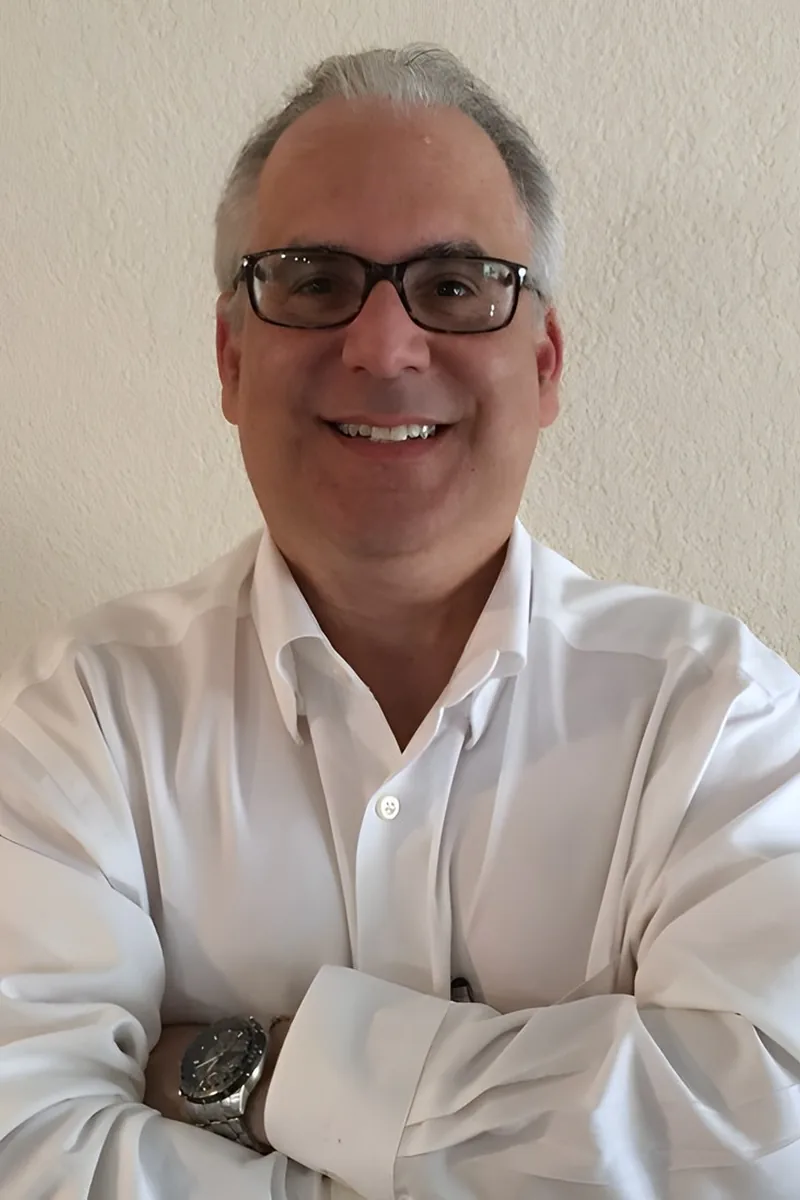
Every learner processes information differently, and Professor Florence draws on her psychology training at UCLA to identify where a student's understanding is breaking down and restructure the material accordingly. She adapts pacing, visual aids, and practice strategies to match each student's learning profile, whether the challenge involves processing speed, attention, or executive function.

I am persuasive and capable of developing rapport and trust, as well as experienced in influencing the attitudes and ideas of others.
Earning her Master's in Special Education at NC State gave Sonja deep training in differentiated instruction, IEP goal alignment, and executive function coaching — the behind-the-scenes skills that make tutoring actually work for students with learning differences. She tailors sessions around each student's specific profile, whether that means multisensory reading strategies for dyslexia or chunked math instruction for students with attention challenges. Her 5.0 rating speaks to how well that individualized approach lands.
Every learner processes information differently, and what looks like a struggle with content is often a mismatch between teaching method and learning style. Ritu adapts lessons across math and science to meet individual needs — breaking concepts into smaller, scaffolded steps and using visual or hands-on strategies that build confidence alongside comprehension.
Every student processes information differently, and Lane adapts his teaching — whether it's breaking a math problem into smaller visual steps or using graphic organizers to structure a writing assignment. He draws on experience across reading, writing, math, and science to meet each learner's specific needs rather than forcing a one-size-fits-all approach. Patience and clear communication drive every session.
Brianna's background includes extensive one-on-one mentoring and teaching special education, giving her a deep understanding of how to adapt lessons for different learning profiles — whether that means breaking a math concept into smaller visual steps or adjusting pacing for processing differences. As a current high school math teacher, she builds individualized strategies that match each student's strengths rather than forcing a one-size-fits-all approach. Rated 4.9 by families she's worked with.
During her years teaching second through fourth grade, Molly worked daily with students who had a wide range of learning needs, from reading intervention to modified math instruction. She pulls from multiple curricula and adapts materials on the fly — adjusting pacing, breaking tasks into smaller steps, and using multisensory approaches to make concepts accessible. Her 5.0 rating speaks to how well that individualized approach works.
Ivan holds a master's degree in both General and Special Education for grades 5–9 and has taught in self-contained classrooms, Collaborative Team Teaching settings, and Resource Rooms across New York City. That range means he can adapt pacing, modify assignments, and scaffold reading or writing tasks based on each student's IEP goals and learning profile. Rated 4.8 by families he's worked with.
Colin is a certified special educator whose classroom experience spans multiple grade levels and learning profiles, from students with dyslexia and ADHD to those on the autism spectrum. He designs each session around a student's specific IEP goals and learning style — visual aids for one learner, movement-based activities for another — rather than applying a one-size-fits-all approach. That individualized structure builds both academic skills and the confidence students need to advocate for themselves in the classroom.
Sophia earned her Master's in Education with a focus that included understanding diverse learning profiles — from dyslexia and ADHD to processing differences that require adapted instruction. She modifies reading and writing lessons using multisensory techniques, scaffolded tasks, and individualized pacing so students with IEPs or 504 plans can access grade-level content on their own terms.
Laura's low-pressure tutoring style is deliberate, not accidental — she paces sessions around each student's comfort level and adjusts explanations on the fly when something isn't landing. Her range across math, science, reading, and writing means she can support students with diverse learning needs without constantly switching tutors. That flexibility, combined with her 5.0 rating, speaks to her ability to adapt material rather than force a one-size-fits-all approach.
Five years of working specifically with students who have learning differences — dyslexia, ADHD, processing disorders — taught Sydney that the content isn't usually the problem; it's the delivery. She redesigns how material is presented, using multisensory techniques and scaffolded instructions so that a student with an IEP or 504 plan can access the same curriculum their classmates see. Rated 4.9 by families.
Clinical psychology training fundamentally changes how you understand a struggling learner — Danny's PhD work gives him insight into the cognitive, emotional, and behavioral dimensions that shape how students with learning differences engage with academic material. He draws on formal counseling psychology methods to identify what's actually getting in the way, then adapts instruction accordingly, whether the barrier is processing speed, attention, anxiety around schoolwork, or something else entirely. Rated 5.0 by families.
Victoria spent three years as a certified classroom teacher through Teach for America, working with first through third graders who had a wide range of learning needs, including IEP-supported students. She adapts lessons to different processing styles and paces, breaking academic content into structured, manageable steps that build genuine understanding rather than frustration.
Patrick earned his Master's in Special Education from UIC's MEd + Licensure program, which means he's trained in differentiated instruction, IEP development, and evidence-based interventions for learning differences like dyslexia and ADHD. His undergraduate psychology degree adds a layer of understanding around how attention, memory, and motivation shape each student's learning profile.
During her year as a teaching assistant in a first-grade classroom, Molly worked directly with students with special needs, adapting lessons and tracking individual progress toward IEP goals. Her dual major in elementary and special education gives her formal training in differentiated instruction, multisensory learning strategies, and behavior support frameworks. She understands how to modify materials so that a student can access the same content their peers are learning, just through a different pathway.
A PhD in neuropsychology means Bill understands learning differences — ADHD, dyslexia, processing speed challenges — at the neurological level, not just as labels on an IEP. He adapts his teaching to how each student's brain actually processes information, whether that means restructuring how material is presented or building in specific compensatory strategies for memory and attention.
A Master's in Education trained Alan in differentiated instruction, IEP-aligned goal setting, and multisensory teaching methods that reach learners who struggle in traditional classroom environments. He adapts pacing and materials to match each student's processing style, whether the challenge involves reading comprehension, mathematical reasoning, or executive function skills. His 4.8 rating speaks to the patience and flexibility he brings to every session.
Testimonials
Because the right Special Education tutor makes all the difference.
Average Session Rating – Based on 3.4M Learner Ratings
Nearby Special Education Tutors
Other Raleigh Tutors
Frequently Asked Questions
Special education tutoring is personalized 1-on-1 instruction designed to support students with individualized education programs (IEPs), 504 plans, or specific learning differences. Unlike classroom instruction, which must serve 20-30 students at varying levels, special education tutoring focuses entirely on your student's unique learning style, pace, and goals. Tutors work with your student's existing IEP or intervention plan to reinforce skills, build confidence, and help bridge gaps between classroom instruction and independent mastery.
Students in special education often struggle with reading fluency and comprehension, math fact automaticity and problem-solving, executive function skills like organization and time management, and social-emotional learning. Many also face difficulty transferring skills learned in one setting to another, or keeping pace with grade-level content while working on foundational gaps. Personalized tutoring addresses these specific challenges through targeted practice, explicit strategy instruction, and consistent reinforcement tailored to how your student learns best.
Varsity Tutors connects you with tutors who understand IEP goals and can reinforce the same strategies and accommodations your student receives at school. Before starting, we gather information about your student's current plan, learning profile, and specific areas of focus—whether that's reading intervention, math skills, or executive function support. This ensures tutoring complements classroom instruction rather than duplicating it, and helps your student build consistency across learning environments.
The first session is an assessment and relationship-building opportunity. The tutor will learn about your student's strengths, learning style, current challenges, and any specific goals you want to focus on. They'll observe how your student approaches tasks, what strategies work well, and where support is needed most. This foundation allows the tutor to design a personalized approach for future sessions that builds on what's working and addresses priority areas.
Progress in special education tutoring is tracked through concrete, observable improvements aligned with IEP goals or specific skill targets. This might include increased reading fluency (words read correctly per minute), improved math computation accuracy, better organization of written work, or more consistent use of learned strategies. Tutors typically share progress updates and can help you monitor growth through work samples, skill checklists, and regular communication about what's improving and where continued focus is needed.
Yes. Raleigh's 17 school districts follow North Carolina state standards and curriculum frameworks, and tutors who work with students in Raleigh are familiar with these expectations and how they translate to individualized instruction. Whether your student attends a Wake County school, charter school, or private institution, tutors can align support with your school's specific approach to reading, math, and other core subjects while meeting your student's unique learning needs.
When you connect with Varsity Tutors, we match you with tutors who have relevant experience supporting students with learning differences, IEPs, or specific skill gaps. You can share details about your student's needs—whether that's dyslexia support, ADHD strategies, autism spectrum support, or other areas—and we'll connect you with someone qualified to help. It's important to find a tutor who understands both the academic content and the specific learning profile of your student.
The best time to start is when you notice your student is struggling to keep pace, when new IEP goals are set, or when you want to reinforce skills being taught at school. Many families start tutoring at the beginning of a school year, after an IEP meeting, or when a specific academic challenge emerges. Early intervention and consistent support tend to build confidence and prevent frustration, so reaching out sooner rather than later often leads to better outcomes for students in special education.
Let’s find your perfect tutor
Answer a few quick questions. We’ll recommend the right plan and match you with a top 5% tutor.