Award-Winning Biochemistry Tutors
serving Grand Rapids, MI
Biochemistry
Tutors in Grand Rapids
Private 1-on-1 tutoring, weekly live classes for academic support, test prep & enrichment, practice tests and diagnostics, and more to elevate grades and test scores.
Based on 3.4M Learner Ratings
UniversitiesSchools & Universities
DeliveredHours Delivered
ProficiencyGrowth in Proficiency
Who needs tutoring?
No obligation. Takes ~1 minute.
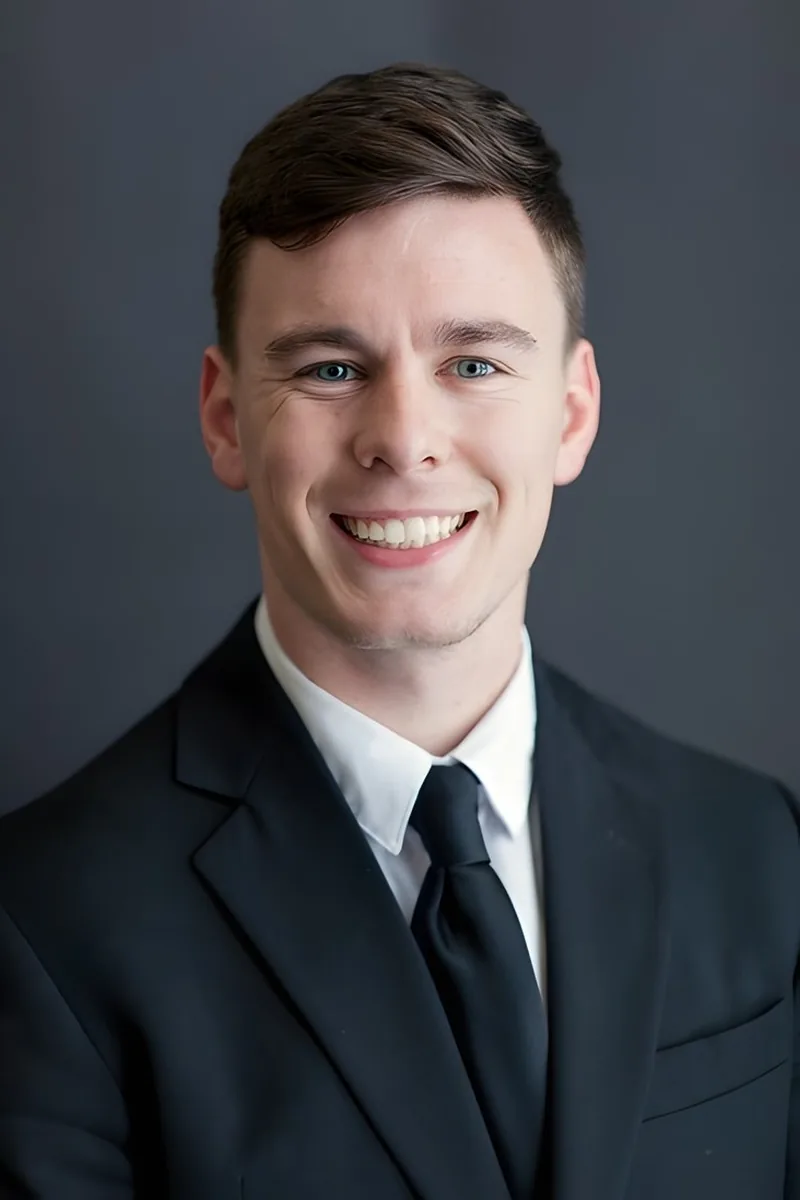
Enzyme kinetics, metabolic pathways, protein structure — biochemistry sits at the intersection of two subjects David studied formally, with a bachelor's in chemistry and graduate-level exposure to biomolecular engineering. He digs into mechanisms like glycolysis and the citric acid cycle by connecting each step's chemistry to its biological purpose, so students retain the logic instead of just the diagram. That approach has earned him a 4.9 student rating.
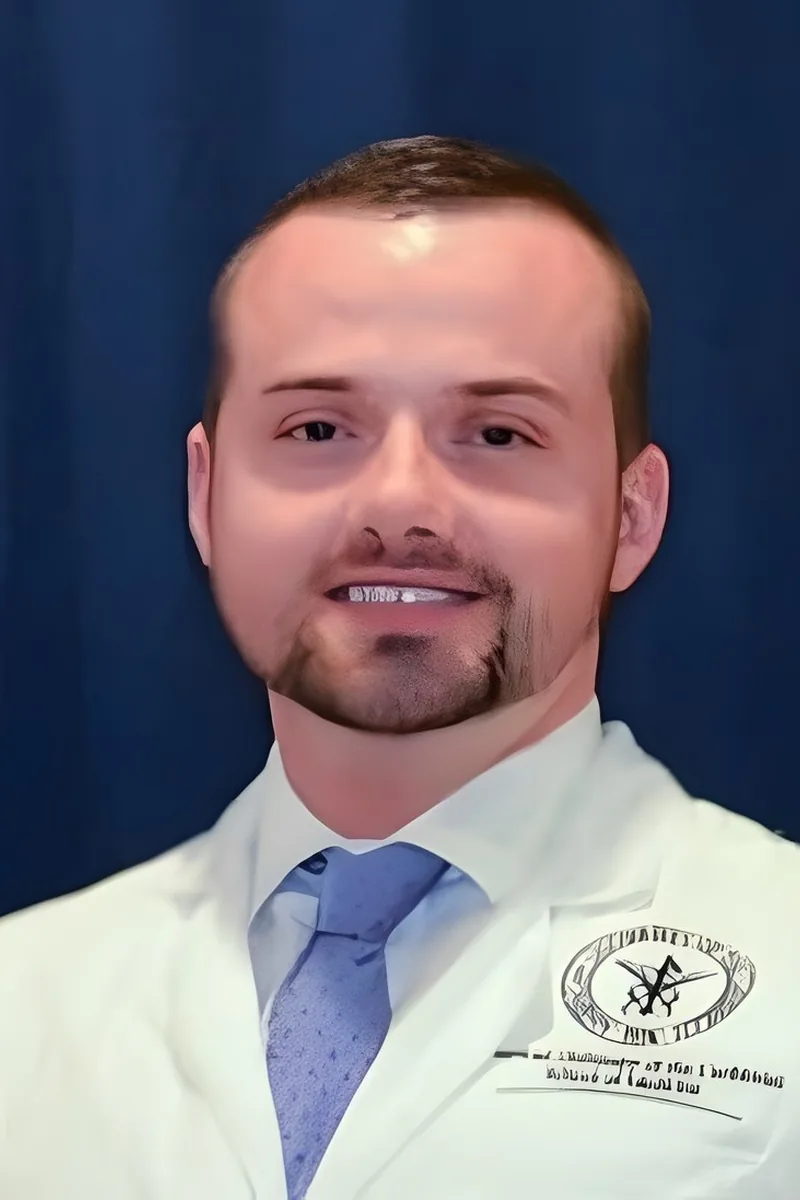
Enzyme kinetics, metabolic pathways, protein structure — biochemistry sits at the intersection of biology and chemistry where neither discipline alone is enough. Macklin tackles these topics in medical school every day, from glycolysis regulation to amino acid chemistry, and he unpacks reaction mechanisms by connecting each step to a physiological consequence students can actually visualize.
This is Kirby's home turf. She earned her B.S. in Biochemistry from the University of Michigan, where she dug into everything from amino acid structure and protein folding to metabolic pathway regulation and enzyme kinetics. Whether a student is wrestling with the citric acid cycle or trying to make sense of Michaelis-Menten plots, Kirby unpacks the logic behind the biology and the chemistry simultaneously.
Enzyme kinetics, amino acid structures, metabolic pathways — biochemistry demands that students hold dozens of interconnected details in their heads at once. Ray's pre-med curriculum at the University of Michigan put him through rigorous biochemistry coursework, and he unpacks complex reaction mechanisms by linking each step to a biological function students can visualize.
As a fourth-year medical student, Gurbani lives in biochemistry daily — enzyme kinetics, metabolic pathways, protein structure-function relationships. She connects each reaction mechanism to a clinical scenario, so concepts like glycolysis or amino acid catabolism become memorable stories rather than disconnected diagrams to cram before an exam.
I am eternally grateful! I minored in Chemistry after getting interested in the inner workings of organic chemistry. While going to college I earned money by tutoring classes I had already taken. I also offered "supplemental instruction" which were informal classroom question and answer sessions. I worked in a research lab after earning an undergraduate research fellowship and explored Physiology at the School of Medicine. Then went on to study Toxicology at the University of Wisconsin, Madison. While there a decision appeared clear between focusing on research or teaching. I like teaching better. I truly enjoy spreading knowledge about Biology and Chemistry and finding fun ways to introduce people to these (often difficult) subjects.
Studying neuroscience at Vanderbilt means Avi lives in biochemistry — enzyme kinetics, metabolic pathways, and protein structure are part of his daily coursework. He unpacks topics like the citric acid cycle or amino acid chemistry by tracing the logic of each reaction rather than asking students to memorize arrows on a diagram.
Enzyme kinetics, amino acid structures, metabolic pathways — Biochemistry demands that students hold molecular details and big-picture biological function in their heads simultaneously. Ibi is actively studying these topics in her premedical post-bac program, so she explains concepts like Michaelis-Menten curves and lipid metabolism with the fluency of someone who just worked through them herself. That recency makes a real difference when a student is stuck at 11 p.m. before an exam.
UCLA's biological sciences program gave Arshia a solid grounding in the molecular machinery of life — protein structure, metabolic pathways, and the organic chemistry that ties them together. She also tutors MCAT prep across multiple sections, which means she's used to explaining concepts like enzyme kinetics and amino acid properties at the level of detail that college biochemistry courses actually demand. Rated 5.0 by students.
Enzyme kinetics, metabolic pathways, and protein structure all demand a student who can think across chemistry and biology simultaneously — which is exactly what Aleeza's biology degree and MCAT preparation trained her to do. She unpacks topics like Michaelis-Menten kinetics and amino acid chemistry by tying molecular details to the bigger biological picture. Students studying for upper-level biochemistry exams or the MCAT get someone who recently mastered this material herself.
Dental students live in biochemistry — enzyme kinetics, metabolic pathways, amino acid structures — and Josh is right in the middle of that curriculum at Penn. He unpacks topics like glycolysis and protein folding by tying each reaction to a biological consequence, which turns a wall of chemical structures into a story that's far easier to retain.
Genome editing at Rice and computational neuroscience at Hopkins meant Emmanuel had to internalize biochemistry at the molecular level — from CRISPR-associated enzyme mechanisms to the metabolic pathways fueling neural tissue. That hands-on lab fluency lets him teach topics like protein structure and nucleotide chemistry by grounding each concept in the experimental context where it actually matters. Holds a 5.0 rating.
Medical school required Thomas to internalize biochemistry at a level most undergrads never reach — enzyme kinetics, metabolic regulation, amino acid chemistry, and the signaling cascades that tie them together. He breaks down dense pathways like glycolysis and the citric acid cycle into logical sequences so students can reason through problems instead of relying on rote memorization. Rated 5.0 by students.
Over a year of tutoring organic chemistry through UT Austin's Engineering Student Services gave Felipe a deep fluency with the reaction mechanisms that underpin biochemistry — the nucleophilic attacks in metabolic intermediates, the carbonyl chemistry driving the citric acid cycle, and the functional group transformations that distinguish one pathway step from the next. As a biomedical engineering major on the pre-med track, he's currently synthesizing this material across his own coursework, which means he knows exactly which mechanistic details professors test and which shortcuts actually hold up under pressure.
Neuroscience majors don't just memorize biochemistry — they depend on it, and Janki's coursework at Kentucky meant tracing every concept from neurotransmitter metabolism to oxidative phosphorylation back to the underlying chemical logic. She teaches topics like enzyme regulation and pathway energetics by building each mechanism piece by piece, so students can predict what happens next in a pathway instead of relying on rote recall. Rated 4.8 by students.
Enzyme kinetics, metabolic pathways, amino acid chemistry — biochemistry asks students to think like both a biologist and a chemist simultaneously. Ivan's background spanning cognitive science and the biological sciences, plus his MCAT teaching experience, means he can unpack reaction mechanisms and protein structure in ways that connect molecular detail to bigger physiological stories.
Teaching organic chemistry recitation at the University of Kentucky while simultaneously navigating medical school gives Jason an unusually current grasp of biochemistry — he's actively working through the same metabolic regulation, amino acid structures, and enzyme mechanisms his students encounter. His biology degree and MCAT preparation anchor the molecular details, while his med school training shows him how those details play out in living systems. Rated 5.0 by students.
Enzyme kinetics, metabolic pathways, protein structure — biochemistry asks students to think across chemistry and biology simultaneously, which is exactly what Saniya's neuroscience and chemistry training prepared her for. She unpacks complex topics like Michaelis-Menten kinetics or amino acid properties by linking molecular behavior to biological function, making dense material more intuitive. Her continued coursework in physiology and histology keeps these connections sharp.
Testimonials
Because the right Biochemistry tutor makes all the difference.
Average Session Rating – Based on 3.4M Learner Ratings
Practice Biochemistry
Free practice tests, flashcards, and AI tutoring for Biochemistry
Other Grand Rapids Tutors
Related Science Tutors in Grand Rapids
Frequently Asked Questions
Biochemistry combines chemistry, biology, and physics in ways that can feel overwhelming without proper guidance. Students often struggle with visualizing molecular structures, understanding metabolic pathways, and connecting abstract concepts like enzyme kinetics to real cellular processes. A tutor helps break down these complex topics, clarify misconceptions, and build the conceptual foundation needed to succeed in the course and beyond.
During the first session, a tutor will assess your current understanding of biochemistry fundamentals, identify specific areas where you're struggling (whether it's thermodynamics, protein structure, or metabolic regulation), and learn your learning style. From there, they'll create a personalized plan to target your weaknesses while building on your strengths, ensuring every session is focused on what you actually need.
Yes. Tutors can help you understand the theory behind lab procedures, interpret experimental results, and strengthen your scientific reasoning skills. They can also guide you through data analysis, help you write lab reports that connect your findings to biochemical principles, and prepare you for lab practicals—ensuring you're not just following steps but truly understanding the science.
Absolutely not. While biochemistry does involve learning key pathways like glycolysis and the citric acid cycle, true mastery comes from understanding *why* these reactions occur and *how* they're regulated in cells. A tutor helps you move beyond memorization to develop deeper conceptual understanding—so you can apply that knowledge to new problems and exam questions you've never seen before.
Students often struggle with balancing complex chemical equations, understanding enzyme kinetics and regulation, visualizing 3D protein structures, and connecting biochemical concepts to physiological outcomes. Many also find it difficult to manage the mathematical components—like calculating pH, free energy, or reaction rates—while simultaneously grasping the underlying biology. Personalized tutoring addresses each of these pain points with targeted explanations and practice.
Varsity Tutors connects students in Grand Rapids with expert tutors who have strong backgrounds in biochemistry and experience teaching the subject at your level. When you reach out, you'll be matched with someone whose expertise and teaching style align with your needs, ensuring you get personalized instruction that actually works for your learning goals.
Many students see noticeable improvement within 2-4 weeks of consistent tutoring, especially in specific areas like problem-solving or exam preparation. However, building deep conceptual understanding takes longer—typically 6-8 weeks of regular sessions. The timeline depends on where you're starting, how often you meet, and how actively you engage with the material between sessions.
This depends on your goals and current level. If you're struggling significantly or preparing for a major exam, weekly or twice-weekly sessions are ideal. If you're looking to deepen your understanding or stay on top of the course, bi-weekly sessions often work well. A tutor can recommend a schedule based on your specific needs and help you adjust as you progress.
Let’s find your perfect tutor
Answer a few quick questions. We’ll recommend the right plan and match you with a top 5% tutor.