Award-Winning AP Chinese Language and Culture Tutors
serving Flint, MI
Award-Winning
AP Chinese Language and Culture
Tutors in Flint
Private 1-on-1 tutoring, weekly live classes for academic support, test prep & enrichment, practice tests and diagnostics, and more to elevate grades and test scores.
Based on 3.4M Learner Ratings
UniversitiesSchools & Universities
DeliveredHours Delivered
ProficiencyGrowth in Proficiency
Who needs tutoring?
No obligation. Takes ~1 minute.
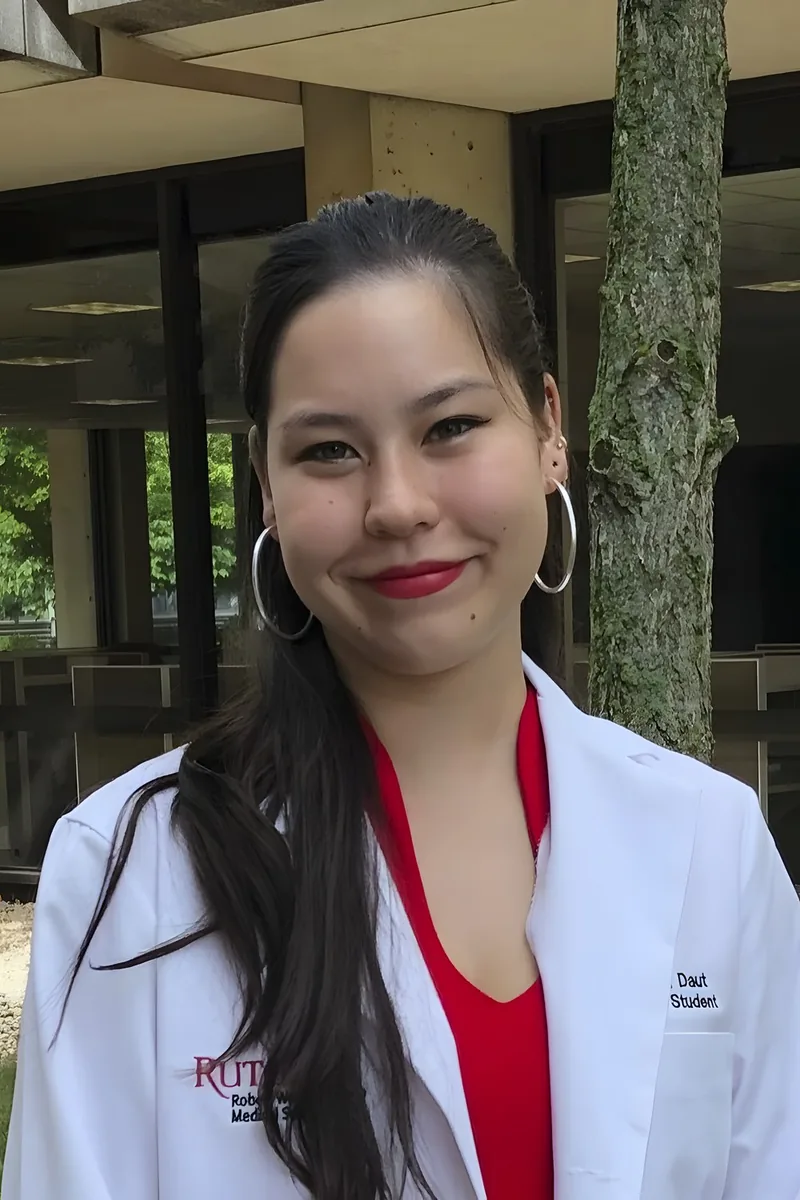
Having tutored the SAT Subject Test in Chinese with Listening and spent time working in Hong Kong, Asta understands both the linguistic and cultural dimensions the AP Chinese exam tests. She digs into the presentational writing and interpersonal speaking tasks that trip up even heritage speakers, breaking down how to structure responses that earn top marks on the rubric.

The cultural comparison essay on the AP Chinese Language and Culture exam trips up even strong speakers because it requires analytical writing, not just language proficiency. Julie's philosophy training at Princeton sharpens exactly that skill — breaking down a prompt, organizing a clear argument, and supporting it with specific cultural knowledge. She brings that structured thinking to every section of the exam.
Fluent in Mandarin and experienced with the AP Chinese exam format, JF tackles the presentational writing and interpersonal speaking components that trip up even heritage speakers. He digs into the cultural comparison prompts specifically, showing students how to structure responses that hit every rubric criterion.
Most AP Chinese prep zeroes in on language mechanics, but the exam's interpersonal speaking prompts reward the kind of natural, idiomatic Mandarin that only comes from native fluency — and Tracy grew up speaking it at home. She also teaches across multiple Mandarin levels and competed in math competitions using bilingual problem-solving skills, so she understands how to bridge the gap between conversational comfort and the formal register the exam demands. Rated 4.9 by students.
Eric teaches across three levels of Mandarin Chinese and coaches AP Chinese Language and Culture with a particular edge on the interpersonal speaking tasks, where his conversational fluency and 36 ACT verbal instincts help students think on their feet during timed prompts. His biomedical engineering coursework at Duke also means he can introduce technical and academic vocabulary that gives cultural comparison essays unexpected depth — discussing China's healthcare system, STEM education culture, or scientific collaboration norms rather than recycling the same festival examples every other student writes about.
The cultural component of AP Chinese Language and Culture trips up students who only study vocabulary lists — the exam expects nuanced comparisons between Chinese and American cultural practices, from family structures to educational values. Li connects language instruction to these cultural contexts, drawing on her own bicultural academic experience across speech science and medicine.
Eileen scored well enough on the SAT Subject Test in Chinese with Listening to understand both the language mechanics and the test strategy behind AP Chinese. She tackles the interpersonal and presentational communication tasks by drilling real conversational patterns and teaching students how to structure spoken and written responses under timed conditions.
The cultural presentation component of AP Chinese Language and Culture catches many students off guard because it requires genuine knowledge of Chinese traditions, geography, and social customs — not just language proficiency. Christine grew up in Shanghai and brings firsthand cultural context to topics like festival traditions, family structures, and regional differences that students need for both the exam and the interpersonal tasks. Her native fluency means she can coach pronunciation and tonal accuracy in real time.
Having scored on the SAT Subject Test in Chinese with Listening, Florence brings firsthand experience with the kind of language proficiency AP Chinese demands — from interpreting spoken passages to crafting written responses using appropriate registers. She knows which cultural comparison prompts tend to trip students up and how to structure presentational writing that earns top marks.
The AP Chinese Language and Culture exam tests listening, reading, speaking, and writing in a single sitting, which means students need more than vocabulary drills — they need fluency under pressure. Nova's real-world Mandarin teaching experience and her SAT Subject Test preparation in Chinese with Listening give her a sharp sense of where American-educated students typically lose points. She zeroes in on the story narration and cultural comparison sections that carry heavy weight on exam day.
Patricia's favorite subjects to tutor include beginner's and intermediate Chinese, and she brings that same enthusiasm to AP-level prep — particularly the listening comprehension and reading sections where students need to parse formal written Mandarin beyond everyday conversation. She also teaches across multiple Mandarin levels, so she can quickly identify which foundational gaps in grammar or vocabulary are holding a student back on timed exam tasks.
The AP Chinese Language and Culture exam tests far more than vocabulary — it demands cultural fluency, the ability to compare perspectives, and comfort producing spoken and written Mandarin under timed pressure. Hannah holds a master's degree in Chinese Studies and is fully fluent in reading, writing, and spoken Mandarin, so she can prepare students for every section of the exam with real cultural context behind each response.
Studying economics at Penn while teaching Mandarin Chinese across multiple levels, Mandy brings a practical, structured approach to AP Chinese prep — especially the cultural comparison essays, where her firsthand experience navigating both Chinese and American academic environments gives students concrete material to draw from. She's rated 5.0 by students and zeroes in on the interpretive reading and listening sections, training students to decode formal written Mandarin that goes well beyond conversational fluency.
Wei's PhD research in language acquisition at UGA directly informs how she teaches the AP Chinese exam's trickiest section: presentational writing, where students must produce organized, culturally grounded Mandarin that reads as more than translated English. Her background teaching bilingual Chinese American children means she's skilled at diagnosing whether a student's errors stem from interference between their two languages — a distinction that changes the entire tutoring approach. Rated 5.0 by students.
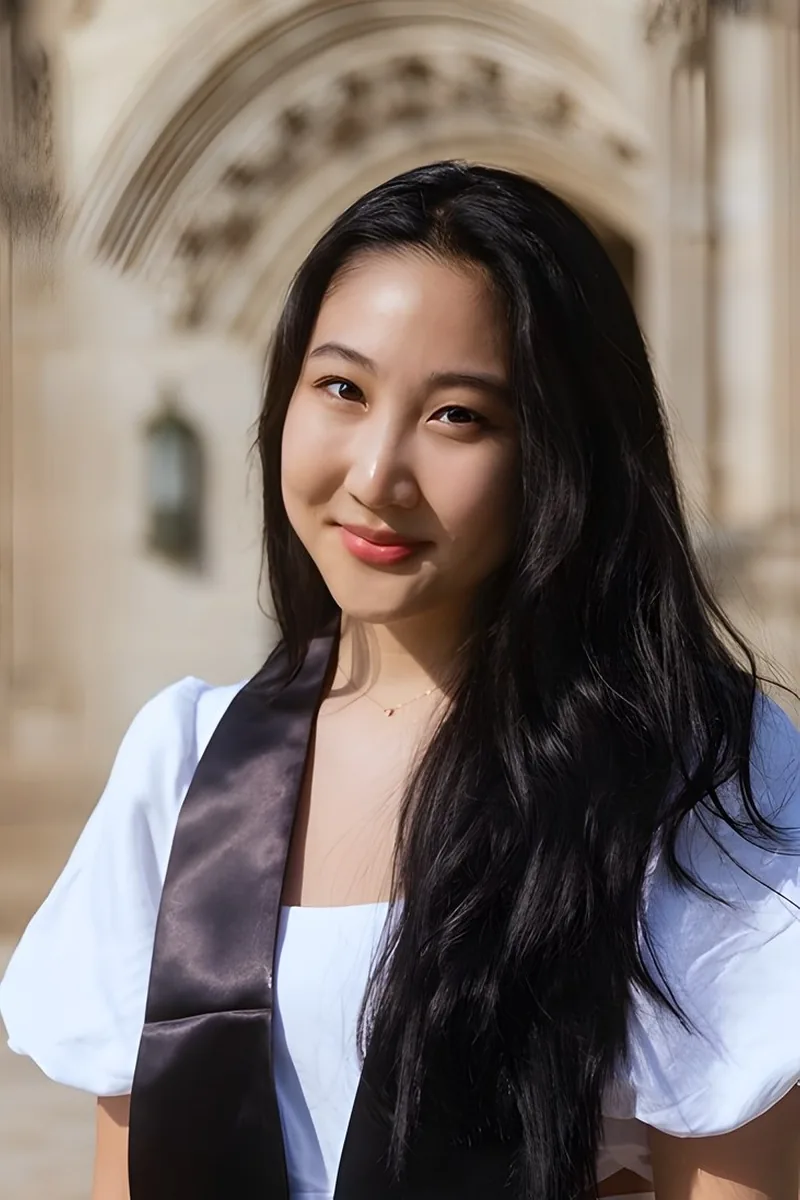
I am an experienced tutor specializing in english, essay writing, communications and business. After completing the IB program at an international high school, I recently graduated from Northwestern University with a Bachelor of Science in Communication Studies, Business, and Integrated Marketing Communications. I grew up in a Korean household in China, so I am fluent in Korean and Chinese as well. Feel free to reach out for general inquiries on any classes or essay/writing help you need!
Few AP Chinese tutors can match Chang's combination: he's a native-level Mandarin speaker who has taught the language professionally to Pentagon and State Department employees, university professors, and traditional students alike. He drills the presentational and interpersonal communication tasks the exam requires — story narration, cultural comparison essays, and conversation responses — with attention to the tonal precision and idiomatic phrasing that separate a 4 from a 5. His deep knowledge of Chinese culture also strengthens students' performance on the cultural awareness components.
With dual degrees in Chinese Studies — both a bachelor's and a master's — Ting brings academic depth to the interpretive reading passages on the AP Chinese exam, where students encounter literary and historical texts that go beyond conversational Mandarin. She teaches across five levels of Mandarin Chinese, so she can pinpoint exactly where a student's grammar or character recognition is falling short and address it before exam day. Rated 5.0 by students.
Paul is one of those rare tutors who operates at an advanced level in both Mandarin Chinese and a second foreign language, giving him unusual insight into how tonal languages, character-based writing systems, and cultural frameworks interact on the AP exam. He zeroes in on the interpersonal and presentational communication tasks, coaching students through the real-time speaking and writing prompts that carry the most weight.
Eight years of teaching Chinese language and culture across elementary, middle, and high school levels — plus directing a K-12 language enrichment program — makes Amanda one of the rare tutors who understands the full arc of the AP Chinese exam. She tackles the interpersonal and presentational speaking tasks head-on, coaching students to respond with cultural nuance and grammatical precision under timed conditions. Rated 5.0 by students.
Ten years teaching Mandarin in public schools — from absolute beginners through AP — means Paulkey has watched hundreds of students hit the same walls on the AP Chinese exam, especially the interpersonal response tasks where students freeze up trying to produce spontaneous, culturally appropriate Mandarin in real time. He pairs that classroom experience with a computer science background that makes his prep unusually structured: timed drills, systematic vocabulary review, and targeted practice on the listening comprehension passages that reward quick processing over perfect translation.
Most AP Chinese prep zeroes in on language mechanics, but the exam's interpersonal speaking prompts also reward the kind of natural conversational flow that comes from genuine cultural immersion — something Yuyi brings as a native Mandarin speaker who also studied English and psychology at the university level. That dual-language academic background makes her especially effective at coaching students through the interpretive reading section, where parsing formal written Mandarin requires more than character recognition.
Barry grew up in China, took the AP Chinese Language and Culture exam himself, and spent years tutoring Chinese 4 students in high school. He knows exactly where the exam tests cultural nuance — from interpreting idiomatic expressions to navigating the presentational writing and speaking prompts — and prepares students for those specific demands.
After a decade teaching middle schoolers in a Chinese immersion school in California, Ruth knows exactly where students' spoken Mandarin starts to buckle under the pressure of timed AP tasks — especially the presentational speaking prompts that demand formal structure and clear tonal precision on the fly. She also taught History and Theater entirely in Chinese, which means her students get exposure to the kind of cross-disciplinary cultural vocabulary that the exam's reading and listening passages actually test. Rated 5.0 by students.
The culture component of AP Chinese Language and Culture is where many students lose points — understanding idioms, social registers, and cultural practices well enough to respond authentically under timed conditions. Jiahao's graduate training in interpretation at Beijing Foreign Studies University was built around exactly this kind of cross-cultural fluency, and he brings that depth to every practice prompt and free-response drill.
Charles speaks both Cantonese and Mandarin and teaches across all four Mandarin Chinese levels, which means he can pinpoint exactly where a student's tonal accuracy or grammatical structure needs tightening before exam day. His strongest contribution to AP Chinese prep is the interpersonal response tasks — he runs rapid-fire conversational drills that build the kind of spontaneous, register-appropriate Mandarin the exam scores highest.
A native Mandarin speaker with undergraduate roots at Wuhan University — one of China's top ten — Albert brings an insider's grasp of the idiomatic phrasing, formal registers, and cultural references that the AP Chinese exam's interpersonal speaking and listening sections demand. His dual MBA training at UCLA and London Business School also means he can coach the presentational writing tasks with the kind of structured argumentation that earns top rubric scores.
Jason is a Mandarin speaker who understands both the linguistic and cultural dimensions the AP Chinese exam tests — from formal vs. informal register in presentational writing to the cultural comparisons required in the free-response section. He walks students through listening comprehension strategies and character recognition alongside the cultural knowledge that earns top scores.
The AP Chinese exam tests far more than vocabulary recall — it demands cultural knowledge, formal register in writing, and the ability to compare Chinese and American perspectives in presentational speaking. Daniel, who has studied Mandarin through advanced levels, breaks down each exam section so students know exactly what the graders are looking for in their responses.
The AP Chinese Language and Culture exam tests more than vocabulary — it requires students to compare cultural practices, narrate stories in real time, and write structured responses under pressure. Yiyu, educated in Beijing before earning her M.S. in Education, unpacks the cultural knowledge embedded in each task type and drills the specific speaking and writing patterns that earn top scores.
As a native Mandarin speaker who has passed China's national proficiency test and written her own leveled grammar curriculum, Tina knows exactly what AP Chinese examiners expect in listening, reading, and presentational writing. She drills the cultural comparison essay format and interpersonal speaking prompts so students walk into the exam with a rehearsed strategy, not just vocabulary lists.
Melody teaches Mandarin Chinese and is currently studying at Columbia, where her coursework in AP Chinese Language and Culture aligns closely with the exam's cultural comparison prompts — the section where students need to articulate specific, nuanced differences between Chinese and American practices rather than recite generalities. Her 4.9 rating from students speaks to her ability to break down both the interpretive listening tasks and the presentational speaking prompts, where tonal clarity and organized delivery under timed pressure make the difference.
The AP Chinese Language and Culture exam tests more than vocabulary — it demands cultural literacy, formal register switching, and the ability to compare Chinese and American perspectives in real time. Ya grew up in Taiwan and earned her master's in Foreign Language Education (Chinese) at NYU, so she teaches students to navigate the interpersonal and presentational speaking tasks with native-level cultural nuance. She also drills the specific reading and listening strategies that trip up heritage and non-heritage speakers alike.
Scoring well on AP Chinese Language and Culture means navigating presentational writing, interpersonal speaking prompts, and cultural comparison essays — all in Mandarin. Alex is fluent in Mandarin Chinese and understands the tonal pitfalls and character-recognition challenges that trip up American students. He connects language drills to real cultural contexts so the exam's thematic units feel less like abstract categories and more like actual conversations.
The AP Chinese Language and Culture exam tests more than vocabulary — it demands cultural literacy, formal writing conventions, and the ability to switch between interpersonal and presentational communication on the spot. May is a native speaker who has taught Mandarin at multiple levels and understands how to bridge the gap between conversational fluency and the precise, structured responses the exam rewards.
As a native Mandarin speaker who taught a beginning Chinese course at the Wheeler School in Providence, Jennifer knows exactly where English-speaking learners stumble — tonal accuracy, measure words, and the leap from textbook dialogue to real conversation. She covers all four AP exam skills (interpersonal and presentational speaking, listening, and reading) with particular attention to the cultural comparison essay, where strong structure can make or break a score.
Because Karen teaches both traditional and simplified characters — and has tutored business Chinese alongside academic prep — her AP Chinese students get comfortable with the full range of written forms and registers the exam throws at them, from formal presentational writing to the interpretive reading passages that mix literary and contemporary styles. As a native Mandarin speaker with direct experience preparing students for the AP level, she zeroes in on the tonal precision and grammatical control that separate a 4 from a 5.
The AP Chinese Language and Culture exam uniquely blends language proficiency with cultural comparison, asking students to present on practices and perspectives across Chinese-speaking communities. Christina's Mandarin instruction spans beginner through advanced levels, giving her a clear sense of where students' gaps tend to hide — whether it's measure words, aspect markers, or the formal tone the exam's interpersonal writing section expects. She builds targeted practice around the exam's six themes so students aren't just fluent but exam-ready.
Minoring in Chinese at Northeastern while pursuing a pharmacy degree, Amy uses the language daily in academic contexts — reading research, discussing coursework — which builds the kind of formal register fluency the AP Chinese exam's interpretive reading and presentational writing sections actually test. Her 4.9 rating from students reflects a knack for breaking complex characters and grammatical structures into manageable patterns, and she draws on her own experience as a heritage learner to bridge gaps between conversational Mandarin and the academic-level precision the exam demands.
Xiansheng's cellular and molecular biology degree might seem like an odd fit here, but he teaches across five levels of Mandarin Chinese and scored 1450 on the SAT — the analytical rigor carries over directly to coaching the AP exam's interpretive reading section, where students must parse dense, formal Mandarin and extract meaning under strict time limits. He's especially useful for students whose conversational Mandarin is solid but who stumble on the written exam components that demand precise character recognition and grammatical accuracy. Rated 4.7 by students.
I'm Jay! I'm currently going to college at the University of Texas at Austin. I am majoring in fine arts and I am also in the pre-medical program. Even though I'm not done with college, I have already published papers in the field of epigenetics since my freshmen year of college. Even though I consider myself to have an expertise in languages, I decided to teach areas in the field of natural sciences because those are the subjects that I am most passionate about.
Testimonials
Because the right ap chinese language and culture tutor makes all the difference.
Average Session Rating – Based on 3.4M Learner Ratings
Other Flint Tutors
Related Languages Tutors in Flint
Frequently Asked Questions
Varsity Tutors matches Flint students with expert AP Chinese Language and Culture tutors for 1-on-1 instruction. We pair each student with a tutor based on their specific needs, learning style, and goals.
Whether you need homework help, exam prep, or want to get ahead, our AP Chinese Language and Culture tutors are ready to help.
Common challenges include gaps from earlier material, difficulty with specific concepts, and trouble applying learning to new problems. These issues can snowball quickly in AP Chinese Language and Culture.
A tutor identifies where you're stuck, fills in gaps, and provides targeted practice. The 1-on-1 format means you get help exactly where you need it.
Tutors work with your student's actual coursework—homework assignments, class notes, and upcoming tests. This keeps tutoring directly relevant to what's happening in the classroom.
When you share information about your student's school and curriculum, we can match you with a tutor who has relevant experience.
All tutors complete background checks, credential verification, and teaching evaluation. Many of our AP Chinese Language and Culture tutors hold advanced degrees or have years of teaching experience.
You can review tutor profiles to find someone with the right background for your student's level and needs.
Many students see improved grades within a few weeks, along with better understanding of AP Chinese Language and Culture concepts and more confidence tackling challenging material.
Tutors track progress and adjust their approach to ensure continued improvement.
Most students benefit from 1-2 sessions per week. More frequent sessions help if your student is significantly behind or has an important exam coming up.
Your tutor can recommend a schedule based on your student's specific situation and goals.
Tutoring is purchased in packages of hours, with rates varying by tutor experience. Varsity Tutors offers several options to fit different budgets and needs.
You can discuss pricing during your consultation to find what works best.
Your tutor will assess where your student is, discuss goals, and start working on priority areas. Most students bring current homework or upcoming test material to focus on.
By the end, you'll have a clear sense of how the tutor can help and a plan for moving forward.
Let’s find your perfect tutor
Answer a few quick questions. We’ll recommend the right plan and match you with a top 5% tutor.