Award-Winning AP English Literature and Composition Tutors
serving Round Lake Beach, IL
AP English Literature and Composition
Tutors in Round Lake Beach
Private 1-on-1 tutoring, weekly live classes for academic support, test prep & enrichment, practice tests and diagnostics, and more to elevate grades and test scores.
Based on 3.4M Learner Ratings
UniversitiesSchools & Universities
DeliveredHours Delivered
ProficiencyGrowth in Proficiency
Who needs tutoring?
No obligation. Takes ~1 minute.

AP Lit asks students to do something genuinely difficult: read a poem or prose passage cold and build a convincing argument about how it works in under 40 minutes. Jack's theatre training at Northwestern gave him a performer's instinct for close reading — he knows how tone shifts, imagery, and structural choices create meaning because he's had to inhabit texts from the inside. He teaches students to move from noticing literary devices to actually arguing what those devices accomplish.
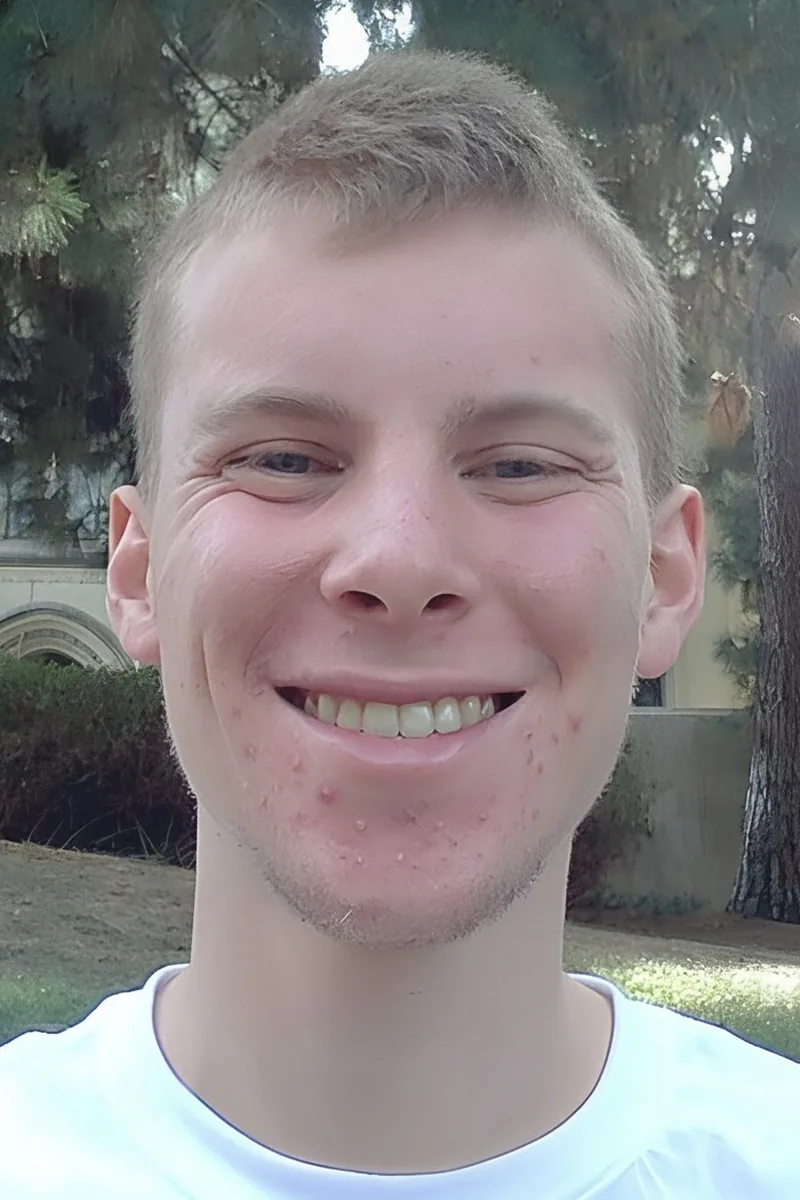
Studying English Language and Literature at the University of Chicago means Davis spends his days doing exactly what the AP Lit exam tests — building interpretive arguments about how writers use language to create meaning, then defending those arguments with precise textual evidence. He brings that daily practice to teaching students how to read a poem or passage for its deeper mechanics rather than just its surface narrative. His comfort with both canonical and contemporary literature gives him range across the full-work essay question, where choosing the right novel and framing a sharp thesis makes all the difference.
AP English Lit asks students to do something most haven't practiced: read a poem or prose passage cold and produce a polished analytical essay in 40 minutes. Harrison's BFA in dramatic writing from NYU Tisch gave him deep training in literary structure — how authors use imagery, tone shifts, and narrative perspective to create meaning. He teaches students to build thesis-driven essays that move beyond plot summary into genuine interpretation.
Poetry analysis is usually where AP Lit students panic, so Hannahlore spends real time on close reading techniques — tracking imagery patterns, identifying volta turns in sonnets, and connecting formal choices to thematic meaning. She also drills the free-response essays as a craft, teaching students to build a thesis that does more than restate the prompt. Rated 5.0 by her students.
Earning a strong AP Lit score means doing more than summarizing a novel — it means constructing a thesis about how an author uses imagery, structure, or tone to build meaning, then defending it with textual evidence in forty minutes. Katie's work as a writing tutor at DePaul and her deep background in American and world literature make her especially effective at teaching students to craft those tight, analytical essays under exam conditions.
AP Lit asks students to do something most haven't practiced: build an argument about a poem or passage in forty minutes under pressure. Caitlin teaches a repeatable method for close reading — identifying tone shifts, tracking imagery patterns, and connecting literary devices to a defensible thesis — that turns vague observations into essays that score. Her 5.0 rating speaks to how well that approach clicks.
Karin McKie, MFA, compiles curriculum and personalizes teaching for a broad spectrum of students. I know there is no better, nor more crucial, calling than helping learners communicate their voices and realize their educational dreams. I specialize in tutoring all standardized tests, including the LSAT, SAT, PSAT, ACT, GRE, HSPT, ISEE, Accuplacer, STAAR, TOEFL/IELTS, ASVAB, all AP/IB English and history classes, and more. I also created and published a simple reading annotation system and related strategies specifically to tackle timed tests, as well as teaching critical reading, comparative literature, public speaking, and theater. As a professional writer and editor, I coach students in persuasive writing for schoolwork, college application and supplemental essays, internship and job applications, and the like. For decades, I've taught and lectured at universities, schools, and with individuals in Chicagoland and the Bay Area, and to online students of all ages around the world. I customize study plans with learners and their advocates to utilize existing abilities and add new techniques to reach personal and scholastic goals. I have a BS in Communications and Theater, and an MFA in Creative Writing. I have completed Continuing Education courses at Stanford, Northwestern and DePaul Universities. I'm a professional features writer and culture critic. I've edited Perspective design journal and Reed literary magazine and have performed memoir essays I've written on Chicago Public Radio. I come from a family of teachers and was fortunate to grow up at the Smithsonian's National Museum of Natural History, where my anthropologist mom was Education Director. Since early childhood, I've been immersed in multicultural and ELL education. I've devoted my personal and professional time to diversity and storytelling, starting at public TV station WETA in my hometown outside Washington, D.C., where I was certified as a trainer with Sesame Street's Preschool Education Project. I've also taught creativity and teambuilding through improvisation to all ages (as well as creating a kids summer camp), reading for the SAG Foundations BookPALS (Performing Artists for Literacy in Schools) program, plus reading and writing skills to at-risk students through the Park District's Kraft Great Kids Program. I've assisted many of my arts marketing clients, including Barrel of Monkeys and Kidworks Touring Theatre, with youth literacy programs at schools and libraries throughout the Windy City.
AP Lit asks students to do something most haven't practiced: write a persuasive literary argument under time pressure, using textual evidence with precision. Olivia teaches the difference between summarizing a poem or passage and actually analyzing how its language produces meaning — the skill that separates 3s from 5s on the free-response questions. She's particularly strong on poetry analysis, where students tend to freeze up without a clear method for unpacking imagery, tone, and structure.
AP English Literature demands more than summarizing a novel — it asks students to dissect how imagery, tone, and narrative structure produce meaning in a specific passage. David's English degree and his graduate work with rare books and manuscripts gave him a close-reading discipline that translates directly into the kind of textual analysis the free-response essays reward. He teaches students to build arguments from the text outward, anchoring every claim in concrete literary evidence.
AP Lit asks students to do something genuinely difficult: read a poem or passage they've never seen before and build an analytical argument about it under time pressure. Sydny approaches each essay prompt by teaching students to identify literary devices — imagery, tone shifts, narrative structure — and convert those observations into a thesis that actually says something specific.
I'm a current PhD student in the history department at Georgetown University who is also an experienced instructor with Varsity Tutors. As a recipient of several degrees, the most recent being a BA in history from Hillsdale College and a MA in Russian, East European, and Eurasian Studies from Stanford University, I have long sought to make teaching my profession. Meanwhile, as a volunteer grade school teacher and a tutor with this company, I have many years' experience helping students reach their full potential. I am capable of teaching students in many subjects, including reading, mathematics, test prep, Latin, and especially writing, history, and literature. In practice, I am comfortable adapting to different learning styles and specific student preferences. Outside of my academic and career endeavors, I enjoy cooking, reading, and listening to and making music.
AP Lit is Meagen's sweet spot. As an English major at Carleton College who genuinely lights up over close reading, she digs into how literary devices function within a text — not just identifying a metaphor but explaining what it accomplishes in the passage's argument or characterization. Her sessions on the free-response essays zero in on crafting a defensible thesis and weaving textual evidence into every body paragraph.
AP Lit asks students to do something uncomfortable: defend an interpretation of a poem or passage they've never seen before, in forty minutes, with textual evidence. Cassandra approaches this as an analytical challenge, teaching students to identify literary devices like tone shifts and figurative language and then convert those observations into a coherent argument. Her science background actually sharpens this process — she treats close reading like hypothesis testing.
AP Lit asks students to do something most haven't practiced — write analytically about how a poem's structure or a novel's narrative technique creates meaning, not just summarize plot. As a Yale humanities student and avid reader, Tessa digs into the close-reading skills that earn high marks on the poetry free-response and the open-ended essay. She's particularly sharp on teaching students to move from observation ('there's a metaphor here') to argument ('here's what it does and why it matters').
AP Lit asks students to do something genuinely difficult: read a poem or passage they've never seen and produce a polished analytical essay under time pressure. Kirstie teaches close-reading techniques — tracking imagery patterns, identifying shifts in tone, unpacking syntax choices — that give students a repeatable framework for any unseen text. Her own background in literature and comparative literature means she can draw connections across periods and genres that deepen a student's analysis.
AP Lit's free-response questions reward students who can move past plot summary and build an argument about how literary techniques create meaning. Andrew studied literature at the undergraduate level and later sharpened his argumentative writing through law school, so he teaches students to construct thesis-driven essays that connect imagery, diction, and structure to a poem's or novel's larger purpose. That combination of literary knowledge and persuasive writing skill shows in his 4.8 rating.
AP Lit's free-response questions reward students who can move beyond plot summary and build an argument about how literary devices shape meaning — a skill that takes practice with close reading and thesis construction. Emerson scored a 1560 on the SAT and studied at the University of Chicago, where rigorous textual analysis is woven into nearly every course. Rated 5.0 by students, he brings that analytical precision to poetry explication, prose passage work, and the open-ended essay.
AP English Literature asks students to do what Toni does professionally: analyze poetry, prose, and drama with precision and write about it persuasively under pressure. As a college English professor with expertise spanning medieval, British, and comparative literature, she teaches students to build arguments around literary devices like free indirect discourse, enjambment, and unreliable narration — the kind of specificity that earns 8s and 9s on the essays.
AP Lit asks students to do something most haven't practiced: build a literary argument under time pressure using only the text in front of them. Rebecca teaches close-reading strategies for poetry and prose — identifying shifts in tone, tracking imagery patterns, and constructing thesis-driven free-response essays that earn high marks.
Testimonials
Because the right AP English Literature and Composition tutor makes all the difference.
Average Session Rating – Based on 3.4M Learner Ratings
Practice AP English Literature and Composition
Free practice tests, flashcards, and AI tutoring for AP English Literature and Composition
Nearby AP English Literature and Composition Tutors
Other Round Lake Beach Tutors
Related English Tutors in Round Lake Beach
Frequently Asked Questions
Varsity Tutors matches Round Lake Beach students with expert AP English Literature and Composition tutors for 1-on-1 instruction. We pair each student with a tutor based on their specific needs, learning style, and goals.
Whether you need homework help, exam prep, or want to get ahead, our AP English Literature and Composition tutors are ready to help.
Common challenges include gaps from earlier material, difficulty with specific concepts, and trouble applying learning to new problems. These issues can snowball quickly in AP English Literature and Composition.
A tutor identifies where you're stuck, fills in gaps, and provides targeted practice. The 1-on-1 format means you get help exactly where you need it.
Tutors work with your student's actual coursework—homework assignments, class notes, and upcoming tests. This keeps tutoring directly relevant to what's happening in the classroom.
When you share information about your student's school and curriculum, we can match you with a tutor who has relevant experience.
All tutors complete background checks, credential verification, and teaching evaluation. Many of our AP English Literature and Composition tutors hold advanced degrees or have years of teaching experience.
You can review tutor profiles to find someone with the right background for your student's level and needs.
Many students see improved grades within a few weeks, along with better understanding of AP English Literature and Composition concepts and more confidence tackling challenging material.
Tutors track progress and adjust their approach to ensure continued improvement.
Most students benefit from 1-2 sessions per week. More frequent sessions help if your student is significantly behind or has an important exam coming up.
Your tutor can recommend a schedule based on your student's specific situation and goals.
Tutoring is purchased in packages of hours, with rates varying by tutor experience. Varsity Tutors offers several options to fit different budgets and needs.
You can discuss pricing during your consultation to find what works best.
Your tutor will assess where your student is, discuss goals, and start working on priority areas. Most students bring current homework or upcoming test material to focus on.
By the end, you'll have a clear sense of how the tutor can help and a plan for moving forward.
Let’s find your perfect tutor
Answer a few quick questions. We’ll recommend the right plan and match you with a top 5% tutor.