Award-Winning Elementary School Reading Tutors
serving Atlanta, GA
Elementary School Reading
Tutors in Atlanta
Private 1-on-1 tutoring, weekly live classes for academic support, test prep & enrichment, practice tests and diagnostics, and more to elevate grades and test scores.
Based on 3.4M Learner Ratings
UniversitiesSchools & Universities
DeliveredHours Delivered
ProficiencyGrowth in Proficiency
Who needs tutoring?
No obligation. Takes ~1 minute.
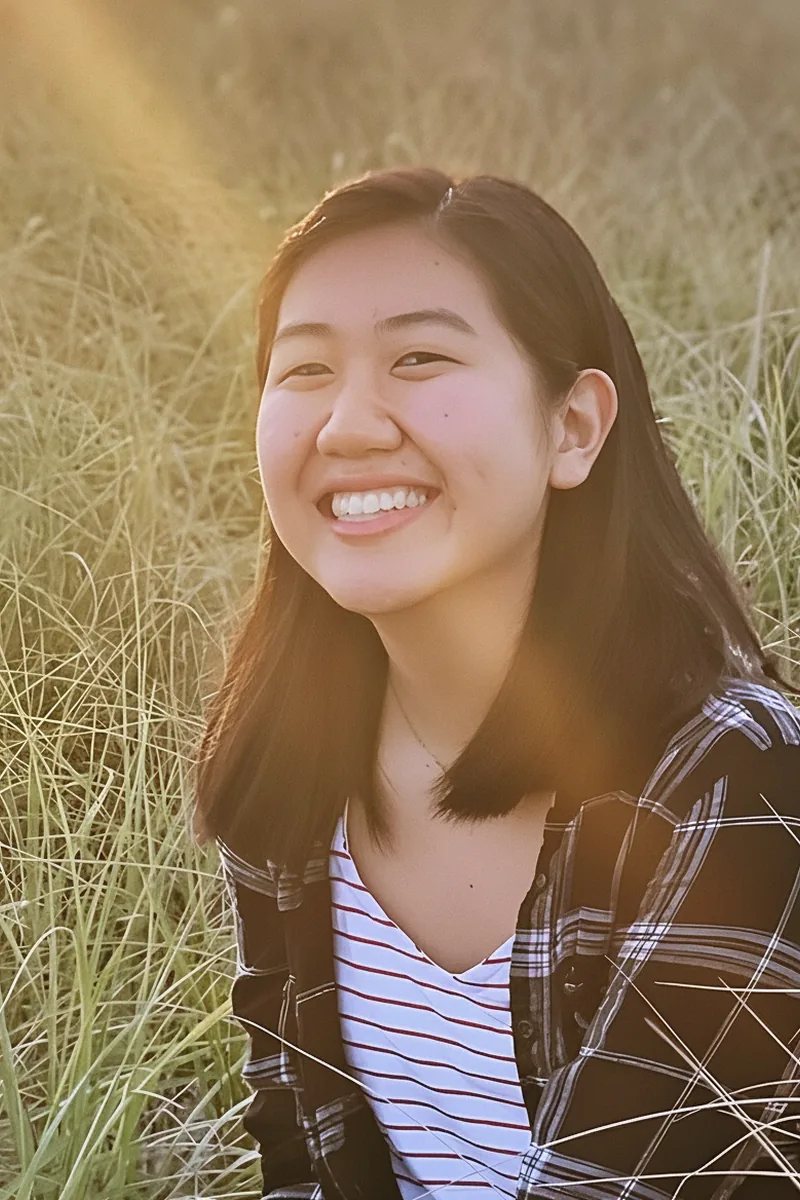
Young readers build confidence when someone sits with them through the tricky parts — decoding unfamiliar words, making predictions about what happens next, and connecting a story's events to their own experiences. Alice's background as a K-12 math center instructor taught her how to match explanations to a child's level, and she brings that same patience and adaptability to reading comprehension and fluency.

Early reading skills like phonics, fluency, and basic comprehension set the stage for everything that comes later in school. Maddie is patient and encouraging with younger learners, using read-aloud techniques and guided questions to make stories engaging and build vocabulary naturally.
Phonics, sight words, and reading fluency each require a different approach, and Jennifer adjusts based on where a child is struggling. She pairs decoding practice with comprehension questions that build the habit of thinking about what a story actually means, not just sounding out the words.
I'm a 25 year old recent J.D. graduate of Georgia State College of Law. I attended Emory University for my undergraduate studies where I was awarded a double major in Political Science and History. Currently I am interning with CAIR as I prepare for the February Georgia Bar Exam.
Early reading clicks when phonics, sight words, and comprehension strategies all reinforce each other instead of feeling like separate tasks. Audrey uses read-aloud techniques and guided questioning to build fluency and vocabulary simultaneously, adjusting her approach based on whether a child needs more decoding practice or more support making meaning from what they've read.
For early readers, confidence matters as much as skill. Shea makes elementary reading sessions interactive by asking questions about characters and predictions about what happens next, keeping kids engaged instead of just sounding out words mechanically. Her natural teaching style — curious, patient, full of comparisons to things kids already know — makes tricky vocabulary and unfamiliar stories feel approachable.
Corey's experience tutoring students across grade levels — from first graders through high schoolers — gives him a clear sense of how reading skills develop, from phonics and sight words to basic comprehension questions. He keeps sessions engaging and uses a methodical approach to help younger readers decode unfamiliar words and understand what they've read.
I am a 4th year medical student who has been tutoring since college. I love working with people and teaching students. I have a strong background in the sciences and look forward to helping make science easy for everyone. I look forward to working with you.
Early reading skills like phonics and decoding are important, but so is the moment a child starts making predictions about a story or asking why a character did something. Paula builds both sides — the mechanical fluency and the comprehension habits — so young readers don't just sound out words but actually engage with what they're reading.
Early reading clicks when a student starts connecting phonics patterns to real words on the page and builds enough fluency to actually enjoy a story. Morgan, rated 5.0 by families she's worked with, brings warmth and structure to decoding, sight words, and comprehension questions — turning reading practice into something kids look forward to rather than dread.
Reading clicks for young learners when they build real confidence with decoding, fluency, and comprehension — not just word recognition drills. Sydney has over a decade of tutoring experience, including five years working with students who have learning differences, so she knows how to adapt phonics and reading strategies to the way each child actually learns.
Early readers need more than phonics drills — they need someone who makes books exciting enough to pick up voluntarily. Merav pairs decoding and fluency practice with expressive read-alouds and comprehension questions that keep young students engaged and thinking. Her psychology minor informs how she adapts pacing and difficulty to each child's developmental stage.
Phonics drills only go so far if a child doesn't also learn to make predictions, ask questions about the story, and connect what they read to their own experience. Jennifer brings a developmental perspective to early reading, drawing on her Human Development studies at the University of Georgia to match strategies to where each child actually is. She makes decoding, fluency, and comprehension feel like parts of the same adventure rather than separate chores.
I am an accomplished educator with years of experience in the Atlanta Metropolitan School System. I am a visionary who promotes innovation and stimulates others to collectively reach common goals of student achievement and family engagement in the community. In addition, I am an effective communicator, cultivating responsive relationships with diverse populations. I promote self-sufficiency, independence, and enhance the overall well-being of youth and families.
Phonics and decoding are the engine, but comprehension is the destination — and Davien keeps both in view when working with younger readers. His approach connects sounding out words to understanding what those words actually mean in context, building the kind of active reading habits that carry students from picture books into chapter books with real confidence.
I am a certified English teacher for grades 6-12 with a Masters degree in English Education from Vanderbilt University and a Bachelors degree in English Literature and Writing from Sewanee the University of the South. I have taught in both Tennessee and Georgia public middle schools to diverse student bodies. My teaching experience is mostly with middle school aged students, where I focus on developing reading comprehension skills and helping students become better writers in preparation for high school courses. I am passionate about analyzing literature with students so they become more observant members of society and critical thinkers. I believe that students can overcome obstacles in their lives through becoming good communicators in reading and writing. When I am not teaching, I am an avid fan of reading fiction and poetry, testing out new recipes, and spending time outdoors.
Early reading success depends on building fluency — moving from sounding out individual words to reading whole sentences with comprehension and confidence. Joseph pairs his English training with an energetic, encouraging style (honed through years of acting) that keeps young readers engaged even when a passage feels tough. He's rated 5.0 by the families he tutors.
I am an undergraduate Pre-Pharmacy student at the University of Georgia working towards my Bachelor's in Chemistry. I tutor various subjects, including elementary, high school, and college English, reading, math, and SAT prep, particularly the reading and writing sections. I am particularly passionate about tutoring English writing and the SAT. I enjoy teaching SAT prep mainly because I love seeing students alleviate their testing concerns and begin to shine. I aim to create a student-centered classroom with a safe environment where the students challenge themselves and develop the critical skills they need to succeed. My experiences working with children in Girl Scouts and volunteering as a pre-K teacher's assistant highlight my love of tutoring students and making learning fun.
Early reading clicks when a child connects the mechanics of decoding words to the reward of understanding a story. Sophie teaches phonics, sight words, and fluency through engaging, age-appropriate texts that keep kids motivated to turn the page. Her background working with children and adolescents on language skills means she knows how to adjust pace and difficulty in real time.
Early reading is about cracking the code: phonics patterns, sight words, and learning to use context clues when a sentence doesn't immediately make sense. Sahar brings patience and structure to these foundational skills, turning read-aloud sessions into active exercises where kids predict, question, and retell what they've read.
Phonics, sight words, fluency, and comprehension all develop on different timelines, and figuring out where an elementary reader is stuck requires careful attention. Katia pinpoints whether a child is struggling with decoding or with understanding what they've decoded, then targets that specific gap. She holds a 5.0 client rating.
Early reading is where kids build the habits that carry them through every subject later on — phonics, fluency, and the confidence to tackle unfamiliar words. Leah uses stories and fairy tales to make decoding practice feel like an adventure rather than a chore, weaving in comprehension questions that teach young readers to think about what they're reading, not just sound it out.
Early readers need someone who makes the process feel like play, not pressure. Yuheon uses phonics patterns and sight-word games to build decoding skills, then gradually shifts to short passages where kids practice reading for meaning. His energy and enthusiasm — the same spirit that drives his love of music and sports — keeps young learners engaged through every session.
Kayla approaches early reading by connecting stories to things kids already care about, then building skills like identifying main ideas, making predictions, and retelling events in order. Her engineering background might seem unrelated, but it gives her a knack for breaking complex tasks into manageable pieces — exactly what emerging readers need.
Early reading is all about building confidence — decoding unfamiliar words, recognizing sight words automatically, and understanding that a story has a beginning, middle, and end. Akshadha uses phonics-based strategies alongside read-aloud techniques to strengthen both fluency and comprehension at the same time. She's tutored elementary-aged learners extensively, including students for whom English was entirely new.
An avid reader herself, Melissa knows that the goal at the elementary level isn't just decoding words — it's building the comprehension and curiosity that make a child want to keep reading. She uses guided questions and age-appropriate strategies to strengthen vocabulary, fluency, and the ability to retell and understand a story's key ideas.
Five years of teaching elementary-aged children gave Monroe a deep understanding of how young readers build fluency — from decoding unfamiliar words to making predictions about what happens next in a story. He breaks reading into manageable, confidence-building steps so kids start to see themselves as readers, not just students doing an assignment.
Early reading clicks when a child connects sounds, letters, and meaning all at once — not just decoding words but understanding what a sentence is actually saying. Carizma uses read-aloud techniques and targeted comprehension questions to build that connection, adjusting her approach based on each student's reading level. Her patience and energy make even reluctant readers willing to try the next page.
Early reading skills like decoding, fluency, and basic comprehension set the trajectory for everything a student does in school. Zachary brings his English degree and a storyteller's enthusiasm to the process, connecting phonics and sight words to stories kids actually want to finish. He keeps sessions active by mixing read-alouds with questions that build the habit of thinking about what's happening on the page.
Summer is the perfect time to strengthen reading, writing, and critical thinking skills before the new school year. Whether your child needs a summer boost, extra confidence, or preparation for middle school, I can help. Hi, I'm Ms. Kendall. I work with students in grades 46 to strengthen reading comprehension, writing, vocabulary, and overall ELA skills. If your child can read the words but struggles to understand what they mean, explain their thinking, or write detailed responses, I provide structured support that builds both skills and confidence. I use The Thinking Method to help students understand what they read, identify key ideas, and become more independent learners. As a former classroom teacher, I help students build skills, confidence, and independence.
An acting background means Andrew knows how to make a story come alive, which turns out to be exactly what reluctant young readers need. He builds phonics and fluency skills through engaging read-alouds, then digs into comprehension by asking questions that get kids talking about characters, settings, and predictions.
I am a graduate of The Fort Valley State University and Cambridge College. I received my Bachelor of Arts in Business Administration with a focus on Marketing. I also received my Masters of Education degree where I focused on Elementary Education. Since graduation, I have worked as a substitute teacher for over 15 years, taught first and second grade at a private Christian school and taught middle School Science and Social Studies in an inner city school, and lastly, trained new providers on the electronic medical records along with new IT projects in a hospital setting. While I tutor a broad range of subjects, I am most passionate about English and Elementary Math. In my experience helping struggling students takes understanding how and what is necessary to help students from different backgrounds learn so they can begin to love learning and want to learn more. I am a firm believer that education is the key to understanding this world in which we must live, believing it to be absolutely necessary for an improved quality of life, and I give this credit and this appreciation to all of my students.
I am a writer and graduate of Columbus State University in Columbus, Ga.
Early reading clicks when a child connects phonics and vocabulary to stories they actually care about. Skyler's background spans multiple languages and literatures, giving her a sharp sense of how decoding, fluency, and comprehension build on each other. She makes reading practice feel less like a chore by matching books and passages to each student's interests.
Before a child can love reading, they need to feel successful at it. Vansh zeroes in on the specific skill holding a young reader back — whether that's decoding unfamiliar words, tracking a character's motivations, or retelling a story in sequence — and builds confidence around that one thing before moving on.
Reading at the elementary level is about more than decoding words — it's building the habit of asking questions about what's on the page. Sanjana teaches young readers to identify main ideas, make predictions, and connect stories to their own experiences. She keeps sessions interactive so kids stay engaged rather than passively reading aloud.
Object-based learning — examining a picture, artifact, or illustration before diving into text — is one of the most effective ways to build reading skills in younger students. Mimi developed this technique through years of museum education work and refined it during her master's program at Harvard. She applies it to phonics, vocabulary, and comprehension so that early readers connect words to meaning, not just sound.
Phonics patterns, sight words, and reading fluency each require a different kind of practice, and Tiffany tailors her approach depending on where a young reader is struggling. She uses context clues and guided questioning to build comprehension alongside decoding skills. Her organized, patient teaching style is a natural fit for elementary learners who need consistency.
When a passage feels confusing, the issue usually isn't vocabulary — it's that a young reader hasn't learned to pause and check their own understanding. Eileen teaches active reading strategies like predicting, summarizing, and asking questions mid-paragraph, skills she sharpened through years of close reading across science and humanities at Vanderbilt.
Early reading clicks when a child connects decoding skills to actual meaning — sounding out a word and then understanding what it contributes to the story. Aditi has tutored elementary students in English and approaches reading through a mix of phonics reinforcement, sight word practice, and guided questions that build genuine comprehension rather than just fluency on the page.
Testimonials
Because the right Elementary School Reading tutor makes all the difference.
Average Session Rating – Based on 3.4M Learner Ratings
Nearby Elementary School Reading Tutors
Other Atlanta Tutors
Related English Tutors in Atlanta
Frequently Asked Questions
Elementary students progress through key reading stages: decoding and phonics in early grades, fluency and comprehension in middle elementary, and independent reading with deeper analysis by upper elementary. In Atlanta's diverse school districts, students benefit from personalized instruction that addresses their specific reading level—whether they're building foundational phonics skills, improving reading speed and accuracy, or developing comprehension strategies for more complex texts.
Many elementary readers struggle with phonemic awareness, decoding unfamiliar words, maintaining focus during reading, or understanding what they've read. Some students also find it difficult to move from simple picture books to chapter books with more complex vocabulary and longer narratives. Personalized 1-on-1 instruction helps identify exactly where a student is stuck and provides targeted strategies to build confidence and progress.
Varsity Tutors connects you with a tutor who will assess your child's current reading level, identify specific strengths and areas for growth, and discuss your goals. This initial conversation helps the tutor create a personalized plan—whether your student needs help with phonics, fluency, comprehension strategies, or confidence building. You'll leave with a clear understanding of next steps and how tutoring will support your child's progress.
Expert tutors teach evidence-based comprehension strategies like predicting, visualizing, asking questions while reading, and summarizing. They guide students to think actively about what they're reading rather than passively moving through words. With personalized practice and feedback, students develop stronger connections to texts and gain confidence tackling more challenging books independently.
Both matter, but comprehension is the ultimate goal—reading fast without understanding defeats the purpose. A tutor helps students build fluency (smooth, confident reading) while maintaining strong comprehension. The two develop together: as students practice reading with expression and rhythm, they also learn to pause and reflect on meaning, creating readers who are both fluent and thoughtful.
Atlanta's 19 school districts use various reading approaches, from structured literacy to guided reading models. Varsity Tutors connects you with tutors who understand these frameworks and can complement classroom instruction. Whether your child needs to catch up, keep pace, or move ahead, personalized tutoring works alongside school reading programs to support your student's growth.
Many struggling readers avoid books because they find them frustrating or boring. A tutor helps by meeting your child at their level, choosing engaging texts that match their interests, and building positive experiences with reading. As students experience success and discover books they actually like, confidence grows—and so does the desire to read more.
Progress depends on your child's starting point and the specific challenge being addressed. Some students show confidence gains within a few sessions, while building strong fluency or comprehension skills typically takes consistent practice over weeks or months. Tutors track progress regularly and adjust strategies to keep momentum going, celebrating milestones along the way.
Let’s find your perfect tutor
Answer a few quick questions. We’ll recommend the right plan and match you with a top 5% tutor.