Award-Winning Biochemistry Tutors
serving Atlanta, GA
Biochemistry
Tutors in Atlanta
Private 1-on-1 tutoring, weekly live classes for academic support, test prep & enrichment, practice tests and diagnostics, and more to elevate grades and test scores.
Based on 3.4M Learner Ratings
UniversitiesSchools & Universities
DeliveredHours Delivered
ProficiencyGrowth in Proficiency
Who needs tutoring?
No obligation. Takes ~1 minute.

Enzyme kinetics, metabolic pathways, protein structure — biochemistry sits at the intersection of biology and chemistry, and Andrew teaches both. His psychology background also gives him a unique angle on neurochemistry topics like neurotransmitter synthesis and signal transduction that many science-only tutors gloss over.
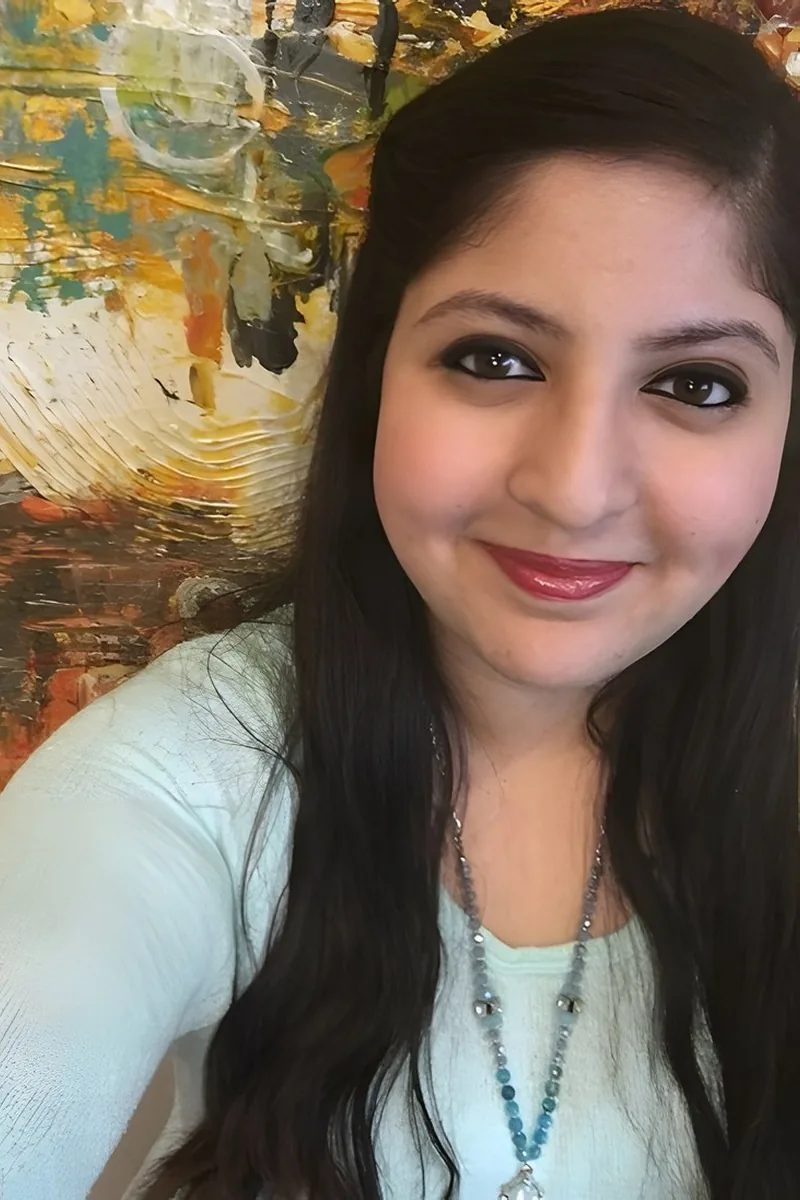
Enzyme kinetics, metabolic pathways, protein structure — biochemistry asks students to think across chemistry and biology simultaneously, which is exactly what Saniya's neuroscience and chemistry training prepared her for. She unpacks complex topics like Michaelis-Menten kinetics or amino acid properties by linking molecular behavior to biological function, making dense material more intuitive. Her continued coursework in physiology and histology keeps these connections sharp.
Enzyme kinetics, metabolic pathways, protein structure — biochemistry demands that students hold molecular-level detail and big-picture biological function in their heads simultaneously. Yasheen earned dual degrees in biology and cellular/molecular biology from Yale and now works in a cancer biology lab, so she lives in this material daily. She's particularly sharp on topics like amino acid chemistry, Michaelis-Menten kinetics, and the regulation of glycolysis and the citric acid cycle.
Pre-med coursework at Northwestern means Manideep is actively working through the toughest parts of biochemistry right now — amino acid structures, membrane transport mechanisms, and the regulatory logic behind major metabolic pathways. That proximity to the material gives him a sharp sense of where students get stuck, especially when translating organic chemistry principles into biological contexts. Rated 5.0 by students.
I am a 3rd year bio major at GT with minors in biochemistry and computer science. My tutoring subjects are math, bio, and chem. I have tutored for a few years, and I have also TAed! My favorite subjects are general chemistry and molecular biology (: My personal belief is that anyone can enjoy a subject once they truly understand it.
Enzyme kinetics, metabolic pathways, protein folding — biochemistry lives at the intersection of biology and chemistry, and Varshini's neuroscience major with a chemistry minor put her squarely in that overlap. She unpacks complex pathways like glycolysis and the citric acid cycle by connecting each reaction to its biological purpose, which makes the logic behind regulation and inhibition far easier to retain.
Pursuing a biochemistry degree at Georgia Tech means Alena isn't just tutoring this material — she's actively immersed in it, from protein structure and enzyme mechanisms to the metabolic pathways that tie organic chemistry to cellular function. She's spent multiple years mentoring freshman chemistry students, which sharpened her ability to pinpoint exactly where the jump from general chemistry concepts to biochemical complexity loses people. Rated 5.0 by students.
As a biochemistry major at Stony Brook who also serves as a chemistry peer tutor and head teaching assistant for college biology, Natalie lives in the overlap between organic chemistry and cellular function that defines this subject. She breaks down topics like enzyme mechanisms and metabolic pathway logic by building from the reaction chemistry first, then layering in the biological context — so students can reason through an unfamiliar pathway instead of memorizing every intermediate. Rated 4.9 by students.
A chemistry degree from Rhodes College plus hands-on clinical internships — including work at Methodist Transplant Institute — means Eric has encountered biochemistry from both the bench and the bedside. He tackles topics like amino acid structure and metabolic regulation by walking through the underlying organic chemistry step by step, so reaction pathways read as logical progressions rather than disconnected diagrams.
Enzyme kinetics, amino acid structures, metabolic pathways — Biochemistry demands that students hold molecular details and big-picture biological function in their heads simultaneously. Ibi is actively studying these topics in her premedical post-bac program, so she explains concepts like Michaelis-Menten curves and lipid metabolism with the fluency of someone who just worked through them herself. That recency makes a real difference when a student is stuck at 11 p.m. before an exam.
Enzyme kinetics, metabolic pathways, protein structure — biochemistry asks students to think in three dimensions and across multiple reaction steps simultaneously. Kimanthi's biomedical engineering degree and graduate work in biomedical sciences gave her daily exposure to these concepts in both classroom and lab settings. She breaks down mechanisms like glycolysis and oxidative phosphorylation into logical sequences rather than memorization marathons.
Studying cognitive science on a pre-med track at Rice means Natalie lives in the overlap between biology and chemistry every semester — enzyme kinetics, metabolic pathways, and protein structure are part of her daily coursework. She unpacks biochemistry by anchoring molecular details to the bigger biological question they answer, which makes dense material like the citric acid cycle far more digestible.
Amino acid structures, enzyme kinetics, metabolic pathways — biochemistry demands that students hold molecular details and big-picture logic in their heads at the same time. Paul's biology honors work at Brown required exactly this kind of thinking, and he walks students through reaction mechanisms and pathway regulation with a clarity that makes the material stick.
Having worked in biochemical laboratories alongside his dual bachelor's degrees — including one in biochemistry — and his architecture studies at Columbia, Andrew brings a rare structural intuition to topics like protein folding and macromolecular assembly. He teaches metabolic pathways by building them up from their organic chemistry foundations, so students see each reaction as a logical next step rather than an isolated arrow on a diagram. Rated 4.9 by students.
Studying biochemistry at Penn as part of a pre-health track, Shayan lives in the world of enzyme kinetics, metabolic pathways, and protein structure daily. He breaks down dense topics like the citric acid cycle or amino acid chemistry using visual analogies and step-by-step logic that make the connections between reactions stick long after the session ends.
Four years of medical school gave Amanda a particular edge with the biochemistry that underpins clinical reasoning — she's internalized how disruptions in lipid metabolism or glycogen storage pathways manifest as actual disease states. Her biology degree and public health training add breadth, letting her teach topics like nucleotide biosynthesis or enzyme regulation by zooming out to the physiological stakes behind each reaction. Rated 4.7 by students.
Mitchell's neuroscience degree means he learned biochemistry through the brain's lens — tracing how neurotransmitter precursors feed into synthesis pathways, how ATP production keeps neurons firing, and how lipid biochemistry shapes every membrane in the nervous system. That background lets him teach topics like oxidative phosphorylation and amino acid metabolism by connecting each reaction to the cellular machinery that depends on it.
Dental students live in biochemistry — enzyme kinetics, metabolic pathways, amino acid structures — and Josh is right in the middle of that curriculum at Penn. He unpacks topics like glycolysis and protein folding by tying each reaction to a biological consequence, which turns a wall of chemical structures into a story that's far easier to retain.
UCLA's biological sciences program gave Arshia a solid grounding in the molecular machinery of life — protein structure, metabolic pathways, and the organic chemistry that ties them together. She also tutors MCAT prep across multiple sections, which means she's used to explaining concepts like enzyme kinetics and amino acid properties at the level of detail that college biochemistry courses actually demand. Rated 5.0 by students.
Testimonials
Because the right Biochemistry tutor makes all the difference.
Average Session Rating – Based on 3.4M Learner Ratings
Practice Biochemistry
Free practice tests, flashcards, and AI tutoring for Biochemistry
Nearby Biochemistry Tutors
Other Atlanta Tutors
Related Science Tutors in Atlanta
Frequently Asked Questions
Biochemistry courses usually focus on the chemical processes within living organisms, including the structure and function of proteins, carbohydrates, lipids, and nucleic acids. Students typically study enzyme kinetics, metabolic pathways like glycolysis and the citric acid cycle, photosynthesis, cellular respiration, and how these processes connect to energy production in cells. Many courses also cover DNA replication, protein synthesis, and basic molecular biology. The emphasis is on understanding how chemistry directly explains biological functions at the molecular level.
Biochemistry requires students to visualize abstract molecular structures and understand how microscopic chemical reactions drive large-scale biological processes—which is challenging without strong foundation in both chemistry and biology. Many students struggle with balancing chemical equations, unit conversions, and metabolic pathway diagrams. A common misconception is trying to memorize pathways instead of understanding the logic behind them. Personalized tutoring helps students connect these concepts by breaking down complex pathways step-by-step, using visual models and real-world examples to build genuine understanding rather than reliance on memorization.
Biochemistry labs require students to apply theoretical knowledge to hands-on experiments, which can feel overwhelming without strong conceptual foundations. Tutors can help you understand the purpose behind each lab procedure, predict outcomes based on biochemical principles, and troubleshoot when results don't match expectations. They can also help you develop scientific reasoning skills—learning how to design experiments, control variables, and interpret data—rather than just following recipe-style instructions. This deeper understanding makes lab work more meaningful and helps you develop the critical thinking skills that science education aims to build.
Biochemical equations can feel overwhelming because they often involve complex molecules, multiple reactants and products, and the need to balance atoms while also understanding the biological significance of the reaction. Rather than relying on trial-and-error memorization, the key is understanding the underlying chemistry—learning systematic approaches to balancing equations and recognizing patterns in how biochemical reactions work. Tutors can teach you strategies for tackling unfamiliar equations, show you how to break down complex reactions into manageable steps, and help you see why balancing matters for understanding energy flow and molecular transformations in cells.
Varsity Tutors connects Atlanta students with expert tutors who have strong backgrounds in both chemistry and biology and can explain how these disciplines intersect in biochemistry. When you reach out, you can discuss your specific challenges—whether that's metabolic pathways, enzyme kinetics, lab preparation, or exam review—and get matched with a tutor whose expertise and teaching style fit your needs. The personalized 1-on-1 instruction means your tutor can focus on your individual learning gaps rather than a one-size-fits-all approach, making your study time more efficient and effective.
Yes. The AP Biology exam heavily emphasizes biochemistry concepts, particularly cellular respiration, photosynthesis, enzyme function, and protein synthesis. Tutoring can help you build a solid understanding of these core topics and practice applying biochemical knowledge to complex scenarios and lab-based questions on the exam. Tutors can also help you develop the scientific reasoning and analytical skills the AP exam assesses, teaching you how to interpret experimental data, make predictions based on biochemical principles, and communicate your thinking clearly. With focused preparation, personalized instruction can significantly strengthen your performance on biochemistry-related questions.
Biochemistry is fundamentally about understanding concepts, though this is easier said than done when there are so many pathways and processes to learn. The most successful approach is building genuine understanding of why reactions occur, how they're connected, and what purposes they serve—then the details become easier to retain and apply. Many students find that when they truly understand glycolysis or the citric acid cycle, they can reconstruct pathways and solve novel problems rather than relying on rote memorization. Tutors emphasize conceptual understanding by using visual models, real-world analogies, and strategic questioning that helps you build mental frameworks for organizing biochemical knowledge.
Let’s find your perfect tutor
Answer a few quick questions. We’ll recommend the right plan and match you with a top 5% tutor.