Award-Winning AP English Literature and Composition Tutors
serving Denver, CO
AP English Literature and Composition
Tutors in Denver
Private 1-on-1 tutoring, weekly live classes for academic support, test prep & enrichment, practice tests and diagnostics, and more to elevate grades and test scores.
Based on 3.4M Learner Ratings
UniversitiesSchools & Universities
DeliveredHours Delivered
ProficiencyGrowth in Proficiency
Who needs tutoring?
No obligation. Takes ~1 minute.

AP Lit rewards the student who can do more than summarize a poem or novel — it demands close reading that connects imagery, tone, and structure to a larger argument, all under timed pressure. Carson's English degree gives him deep familiarity with the literary canon and the analytical frameworks the exam expects. He digs into prose and poetry passages with students, sharpening the kind of thesis-driven writing that earns high marks on the free-response section.
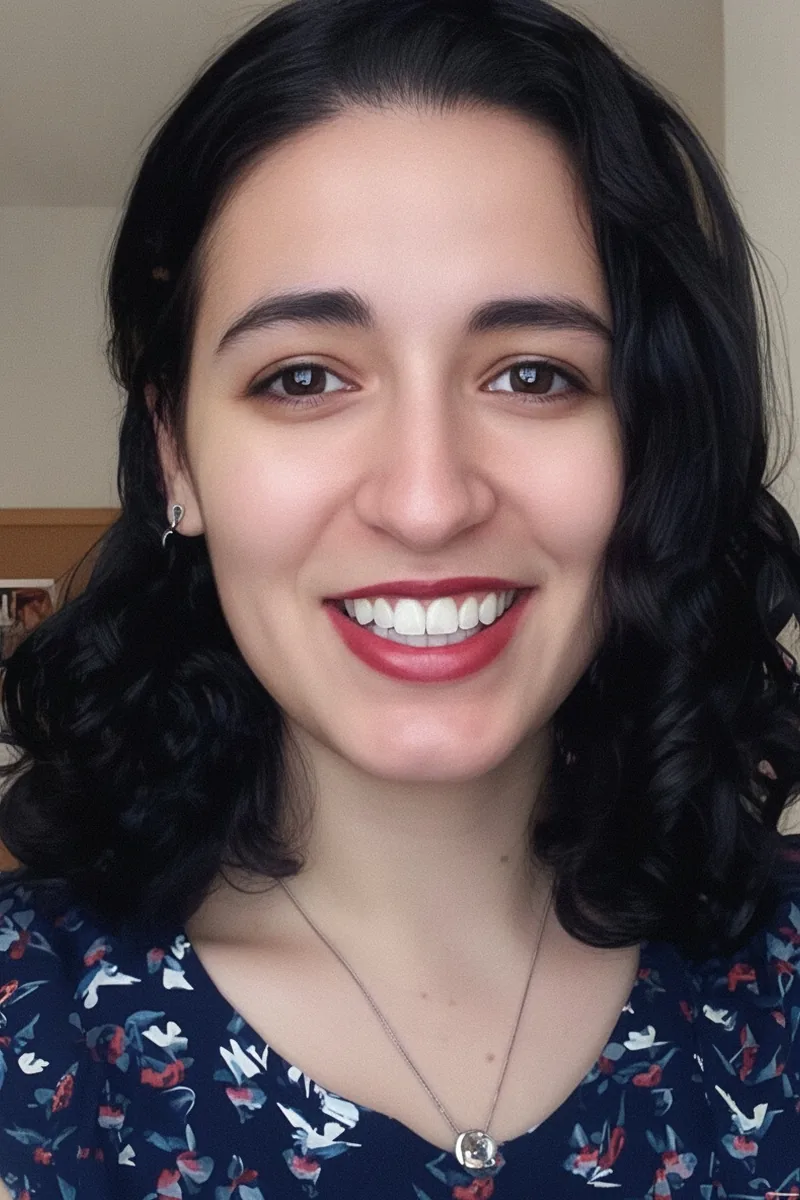
Poetry analysis is where Carla comes alive. Her deep background in English literature means she can teach students to unpack a Dickinson poem's slant rhyme or trace the symbolic architecture of a Toni Morrison novel — exactly the kind of close reading that earns high marks on AP Lit free-response essays. She also coaches students on managing the multiple-choice section's time pressure without sacrificing careful reading.
A PhD in Religion and a bachelor's in philosophy gave Chang deep experience doing exactly what AP Lit demands: close reading of complex texts and constructing interpretive arguments under pressure. He teaches students to move beyond plot summary and build thesis-driven essays that analyze literary devices, narrative structure, and authorial intent with real textual evidence.
AP Lit asks students to do something genuinely difficult: read a poem or prose passage cold and produce a polished analytical essay in forty minutes. Hasan studied Literary Arts at Brown, where his coursework ranged from contemporary American fiction to ancient Indian classics, giving him the interpretive toolkit to teach students how to unpack imagery, structure, and narrative voice under exam conditions.
AP Lit asks students to do something most of their English classes haven't prepared them for: build an original interpretive argument about a poem or passage they've never seen before, in 40 minutes. Amanda's dual background in psychology and literary study gives her a distinctive angle on close reading — she teaches students to track how a character's interiority or a narrator's tone functions as evidence for a thesis. That analytical precision is what earns 7s, 8s, and 9s on the free-response questions.
AP English Literature asks students to do what Toni does professionally: analyze poetry, prose, and drama with precision and write about it persuasively under pressure. As a college English professor with expertise spanning medieval, British, and comparative literature, she teaches students to build arguments around literary devices like free indirect discourse, enjambment, and unreliable narration — the kind of specificity that earns 8s and 9s on the essays.
AP English Lit asks students to do something genuinely difficult: write a persuasive analytical essay about a poem or passage they've never seen, under time pressure. Elijah's MFA in Acting means he's spent years unpacking subtext, figurative language, and narrative structure in scripts — the same close-reading muscles the exam demands. He teaches students to build arguments around literary devices like imagery, tone shifts, and irony rather than defaulting to plot summary.
AP Lit essays live or die on how well a student can connect a specific literary device to a work's larger meaning — not just identify a metaphor, but explain what it's doing. Sophia, an award-winning creative writer with a Vanderbilt humanities background, teaches students to build that kind of argument under timed conditions, whether they're tackling a poetry analysis or an open-ended prompt. Her own writing practice gives her a sharp eye for the difference between summary and genuine literary analysis.
AP Lit asks students to do something genuinely difficult: read a poem or prose passage cold and produce a polished analytical essay under time pressure. Noelle unpacks literary devices like imagery, tone shifts, and narrative structure by showing how each one serves the author's larger argument — the kind of close reading that earns high marks on the free-response questions. Her love of reading and writing gives her a natural ear for the nuances the exam rewards.
Studying English Language and Literature at the University of Chicago means Davis spends his days doing exactly what the AP Lit exam tests — building interpretive arguments about how writers use language to create meaning, then defending those arguments with precise textual evidence. He brings that daily practice to teaching students how to read a poem or passage for its deeper mechanics rather than just its surface narrative. His comfort with both canonical and contemporary literature gives him range across the full-work essay question, where choosing the right novel and framing a sharp thesis makes all the difference.
AP English Literature demands more than summarizing a novel — it asks students to dissect how imagery, tone, and narrative structure produce meaning in a specific passage. David's English degree and his graduate work with rare books and manuscripts gave him a close-reading discipline that translates directly into the kind of textual analysis the free-response essays reward. He teaches students to build arguments from the text outward, anchoring every claim in concrete literary evidence.
Spending a semester at Madrid's top-ranked university reading literature alongside Spanish students sharpened Meghan's ability to dissect texts across cultural contexts — exactly the close-reading skill AP Lit demands. She teaches students to build thesis-driven essays around literary devices like imagery, tone shifts, and narrative structure, not just plot summary. Her 5.0 rating speaks to how well that translates in practice.
AP Lit asks students to do something most haven't practiced: write a persuasive literary argument under time pressure, using textual evidence with precision. Olivia teaches the difference between summarizing a poem or passage and actually analyzing how its language produces meaning — the skill that separates 3s from 5s on the free-response questions. She's particularly strong on poetry analysis, where students tend to freeze up without a clear method for unpacking imagery, tone, and structure.
Testimonials
Because the right AP English Literature and Composition tutor makes all the difference.
Average Session Rating – Based on 3.4M Learner Ratings
Practice AP English Literature and Composition
Free practice tests, flashcards, and AI tutoring for AP English Literature and Composition
Nearby AP English Literature and Composition Tutors
Other Denver Tutors
Related English Tutors in Denver
Frequently Asked Questions
Score improvement depends on your starting point and how consistently you engage with tutoring. Students often see meaningful gains—sometimes 1-2 points on the 1-5 scale—within a few months of focused preparation, especially when working on essay writing and close reading skills. The key is identifying your specific weaknesses (whether that's analyzing complex poetry, managing time on the multiple-choice section, or structuring essays) and targeting those areas systematically. Varsity Tutors connects you with expert tutors who can create a personalized study plan based on your current level and test date.
The multiple-choice section (55 minutes, 45 questions) requires careful reading of dense literary passages and understanding of nuanced interpretations. Many students struggle with pacing—spending too much time on one passage and rushing through others. Expert tutors can teach you strategic reading techniques, like identifying key literary devices before diving into questions, and help you practice eliminating distractors. Practice tests are essential; working through past AP exams under timed conditions helps you build both speed and accuracy while discovering patterns in how College Board designs tricky answer choices.
The three essays—poetry analysis, prose analysis, and open-ended literary argument—each have distinct demands. Success requires understanding the rubric deeply and practicing timed writing regularly. Expert tutors help you develop a reliable essay structure, learn to write topic sentences that directly address the prompt, and practice analyzing specific textual evidence efficiently. One common mistake is spending too much time on planning and not enough on drafting; tutors can help you find the right balance. Writing 5-10 full essays under timed conditions before test day, with feedback on each, dramatically improves both confidence and scores.
Close reading—the ability to analyze language, tone, imagery, and literary devices in unfamiliar passages—is central to success on this exam. It's a skill that develops through repeated practice with high-quality feedback. Tutors guide you through annotating passages effectively, asking the right analytical questions, and connecting specific word choices to larger themes and author intent. Many students benefit from learning a consistent framework for analysis that applies to poetry, prose, and drama alike. Building this skill takes time, but consistent practice with expert guidance typically shows results within 4-6 weeks.
Most students benefit from 2-3 months of focused preparation, working 5-8 hours per week. If you're starting further out, you can spread this across a longer timeline with slightly less intensity. Your study schedule should balance reviewing content (literary terms, test format, essay requirements) with extensive practice—both full-length practice tests and targeted work on weak areas. Varsity Tutors helps you create a realistic timeline based on your current performance level and test date, ensuring you build skills progressively rather than cramming at the last minute.
Test anxiety often stems from feeling unprepared or uncertain about what to expect. Expert tutors build confidence by demystifying the exam—showing you exactly what each section requires, teaching you reliable strategies, and having you practice under realistic timed conditions repeatedly. Familiarity dramatically reduces anxiety; when you've written 10 timed essays and reviewed 50+ practice multiple-choice questions, the actual test feels far less intimidating. Tutors also teach pacing strategies and stress-management techniques specific to the AP exam format, helping you stay calm when you encounter challenging passages.
Varsity Tutors connects you with expert tutors who specialize in AP English Literature and Composition and understand the curriculum deeply. When you get matched with a tutor, you'll receive personalized 1-on-1 instruction tailored to your specific challenges—whether that's essay structure, close reading, or test anxiety. Tutors work flexibly around your schedule and can focus intensively as your test date approaches. To get started, share your goals and current performance level, and Varsity Tutors will match you with a tutor who's the right fit for your needs.
Let’s find your perfect tutor
Answer a few quick questions. We’ll recommend the right plan and match you with a top 5% tutor.