Award-Winning Special Education Tutors
serving Riverside, CA
Special Education
Tutors in Riverside
Private 1-on-1 tutoring, weekly live classes for academic support, test prep & enrichment, practice tests and diagnostics, and more to elevate grades and test scores.
Based on 3.4M Learner Ratings
UniversitiesSchools & Universities
DeliveredHours Delivered
ProficiencyGrowth in Proficiency
Who needs tutoring?
No obligation. Takes ~1 minute.
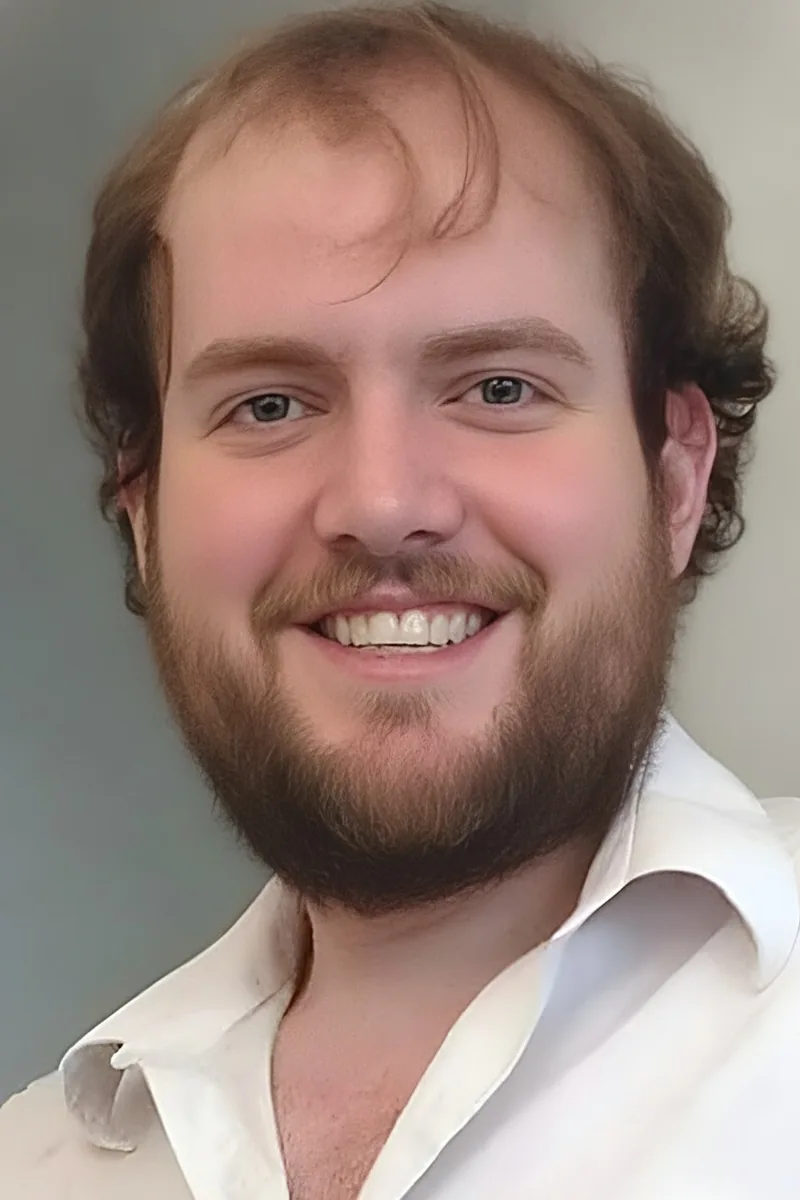
Michael's background in applied theatre — a discipline built around adapting communication to different learners — gives him a flexible, patient teaching style that meets a wide range of needs. He breaks concepts into smaller, concrete steps and uses creative reinforcement techniques drawn from his performance training to keep students engaged and building confidence.

Years of teaching violin to students as young as three — plus elementary classroom experience in 2nd and 5th grade — gave Claire a deep instinct for adapting instruction to how each learner actually processes information. She breaks tasks into smaller, sequenced steps and uses multisensory techniques to reinforce skills like reading comprehension, number sense, and following multi-step directions. Her credentialed teaching background means she understands IEP goals and how to align tutoring sessions with them.
Every learner processes information differently, and Sarah's experience across a wide range of subjects — from reading comprehension to math fundamentals — means she can adapt explanations on the fly when one approach isn't clicking. She builds individualized strategies around a student's strengths, whether that means using visual organizers for writing assignments or breaking multi-step math problems into smaller, scaffolded pieces.
During her years teaching second through fourth grade, Molly worked daily with students who had a wide range of learning needs, from reading intervention to modified math instruction. She pulls from multiple curricula and adapts materials on the fly — adjusting pacing, breaking tasks into smaller steps, and using multisensory approaches to make concepts accessible. Her 5.0 rating speaks to how well that individualized approach works.
I am a graduate of UC San Diego with a Bachelors in Neuroscience through the Psychology department. After graduating, I went to Michigan Technological University and did some graduate work, before moving to Texas to be closer to my parents. I did my alternative certification program through Texas Teachers and am highly qualified to teach Science for grades 7-12. I have been a teacher in public and charter schools for the last four years, and have tutoring experience extending over ten years behind me as well.
Occupational therapy is fundamentally about adapting tasks so people can succeed despite neurological, developmental, or learning differences — and that's the perspective Alex brings to tutoring. Currently in Washington University's OT Doctorate program with a neuroscience background, Alex understands how conditions like ADHD, dyslexia, and sensory processing challenges affect learning and tailors strategies accordingly, from breaking assignments into smaller steps to using multisensory approaches for retention.
Brendan holds a Master's in Special Education, which means he's trained in differentiated instruction, IEP goal alignment, and evidence-based interventions for learning disabilities like dyslexia and dyscalculia. He adapts lessons to match each student's processing style — whether that means multisensory math manipulatives, graphic organizers for writing, or modified pacing for reading tasks. His experience spans a wide range of ages and ability levels.
Heather's psychology background gives her real insight into how different learners process information — whether a student needs material broken into smaller chunks, presented visually, or reinforced through repetition. She's especially effective with kids who get frustrated easily, building their confidence alongside their skills in reading, math, or writing. Rated 5.0 by families she's worked with.
Teaching across dozens of NYC public schools exposed James to students with a wide range of learning differences, from processing delays to attention challenges. He builds individualized approaches — breaking instructions into smaller steps, using multi-sensory reinforcement, and adjusting pacing in real time. His current doctoral work in physical therapy deepens his understanding of how neurological and developmental factors shape the way students learn.
As a state-certified teacher with special education experience, Marina adapts lessons to match each learner's processing style — whether that means breaking multi-step directions into smaller chunks, using visual supports for abstract concepts, or building in movement breaks that reset focus. Her UCLA background in public health sharpened her understanding of how environment and individual needs shape learning outcomes.
Ivan holds a master's degree in both General and Special Education for grades 5–9 and has taught in self-contained classrooms, Collaborative Team Teaching settings, and Resource Rooms across New York City. That range means he can adapt pacing, modify assignments, and scaffold reading or writing tasks based on each student's IEP goals and learning profile. Rated 4.8 by families he's worked with.
Patrick earned his Master's in Special Education from UIC's MEd + Licensure program, which means he's trained in differentiated instruction, IEP development, and evidence-based interventions for learning differences like dyslexia and ADHD. His undergraduate psychology degree adds a layer of understanding around how attention, memory, and motivation shape each student's learning profile.
During her year as a teaching assistant in a first-grade classroom, Molly worked directly with students with special needs, adapting lessons and tracking individual progress toward IEP goals. Her dual major in elementary and special education gives her formal training in differentiated instruction, multisensory learning strategies, and behavior support frameworks. She understands how to modify materials so that a student can access the same content their peers are learning, just through a different pathway.
Lena's daily experience as a middle school teacher means she's practiced at adapting lessons on the fly when a student needs a different entry point into material. She breaks tasks into smaller, clearly sequenced steps and uses patient repetition and multi-sensory techniques to reinforce skills in reading, writing, and math. Her approach prioritizes building confidence alongside academic progress.
As a Vanderbilt-trained and Tennessee-licensed special educator, Megan understands the full landscape — IEP goal writing, behavior intervention plans, differentiated instruction, and the legal framework of IDEA and Section 504. She tailors her approach to each learner's profile, whether that means building phonemic awareness for a student with dyslexia or creating visual math supports for a student who processes information differently. Her 5.0 rating speaks to how well that individualized approach works.
Testimonials
Because the right Special Education tutor makes all the difference.
Average Session Rating – Based on 3.4M Learner Ratings
Nearby Special Education Tutors
Other Riverside Tutors
Related Learning Differences Tutors in Riverside
Frequently Asked Questions
Special education tutoring is personalized 1-on-1 instruction designed to meet the unique learning needs of students with disabilities or learning differences. Unlike classroom instruction, which must serve 20+ students at once (Riverside's average student-teacher ratio is 22.8:1), special education tutoring focuses entirely on your child's specific challenges, learning style, and IEP goals. Tutors work at your child's pace, using evidence-based strategies tailored to their diagnosis and strengths.
Varsity Tutors connects you with tutors who understand IEP requirements and can reinforce the goals outlined in your child's Individualized Education Program. Before starting, tutors review your child's IEP and coordinate with teachers and specialists to ensure tutoring supports classroom learning and targets priority skill areas. This alignment helps students make measurable progress on both IEP objectives and academic standards across Riverside's 7 school districts.
Students with learning disabilities often struggle with foundational skills like reading decoding, math computation, and executive function—areas where personalized, repetitive practice makes a significant difference. Other common challenges include difficulty with attention and focus, processing information quickly, organizing thoughts, and building confidence after repeated academic struggles. Personalized tutoring breaks skills into smaller steps, provides immediate feedback, and celebrates small wins to rebuild motivation and competence.
The first session is an assessment and relationship-building meeting. The tutor will learn about your child's learning style, strengths, challenges, and any diagnoses or IEP accommodations. They'll discuss your goals for tutoring and may conduct informal assessments to understand your child's current skill levels. This foundation helps the tutor design a customized plan that addresses your child's specific needs and builds trust from day one.
Progress in special education should be concrete and visible. Tutors track improvements in specific skills (like fluency, accuracy, or task completion), document what strategies work best for your child, and share regular updates on progress toward IEP goals. You should see measurable gains in classroom performance, assignment completion, test scores, or confidence within 4-8 weeks of consistent tutoring. Many families also notice improvements in homework independence and attitude toward learning.
Look for tutors with training or certification in special education, experience working with specific diagnoses (dyslexia, ADHD, autism spectrum disorder, etc.), and knowledge of evidence-based interventions like structured literacy or multi-sensory learning. Ideally, tutors understand how to use accommodations and modifications, can explain learning differences to students in empowering ways, and communicate regularly with parents and teachers. Varsity Tutors connects you with experienced tutors who bring this expertise to personalized instruction for students in Riverside.
Frequency depends on your child's needs and IEP goals, but most students benefit from 1-3 sessions per week to see meaningful progress. Consistency matters more than intensity—regular tutoring allows skills to build and reinforce what's happening in the classroom. Your tutor can recommend a schedule based on your child's learning pace, the skills being targeted, and your family's needs. Many families adjust frequency as their child gains confidence and independence.
Yes. Personalized tutoring using evidence-based approaches like structured literacy (for dyslexia) or concrete-representational-abstract strategies (for dyscalculia) can significantly improve reading, writing, and math skills. These interventions require explicit, systematic instruction tailored to how each student's brain processes information—exactly what 1-on-1 tutoring provides. While tutoring doesn't "cure" learning disabilities, it builds skills, confidence, and strategies that help students succeed academically and reduce frustration.
Let’s find your perfect tutor
Answer a few quick questions. We’ll recommend the right plan and match you with a top 5% tutor.