Award-Winning Executive Functioning Tutors
serving Port St. Lucie, FL
Executive Functioning
Tutors in Port St. Lucie
Private 1-on-1 tutoring, weekly live classes for academic support, test prep & enrichment, practice tests and diagnostics, and more to elevate grades and test scores.
Based on 3.4M Learner Ratings
UniversitiesSchools & Universities
DeliveredHours Delivered
ProficiencyGrowth in Proficiency
Who needs tutoring?
No obligation. Takes ~1 minute.
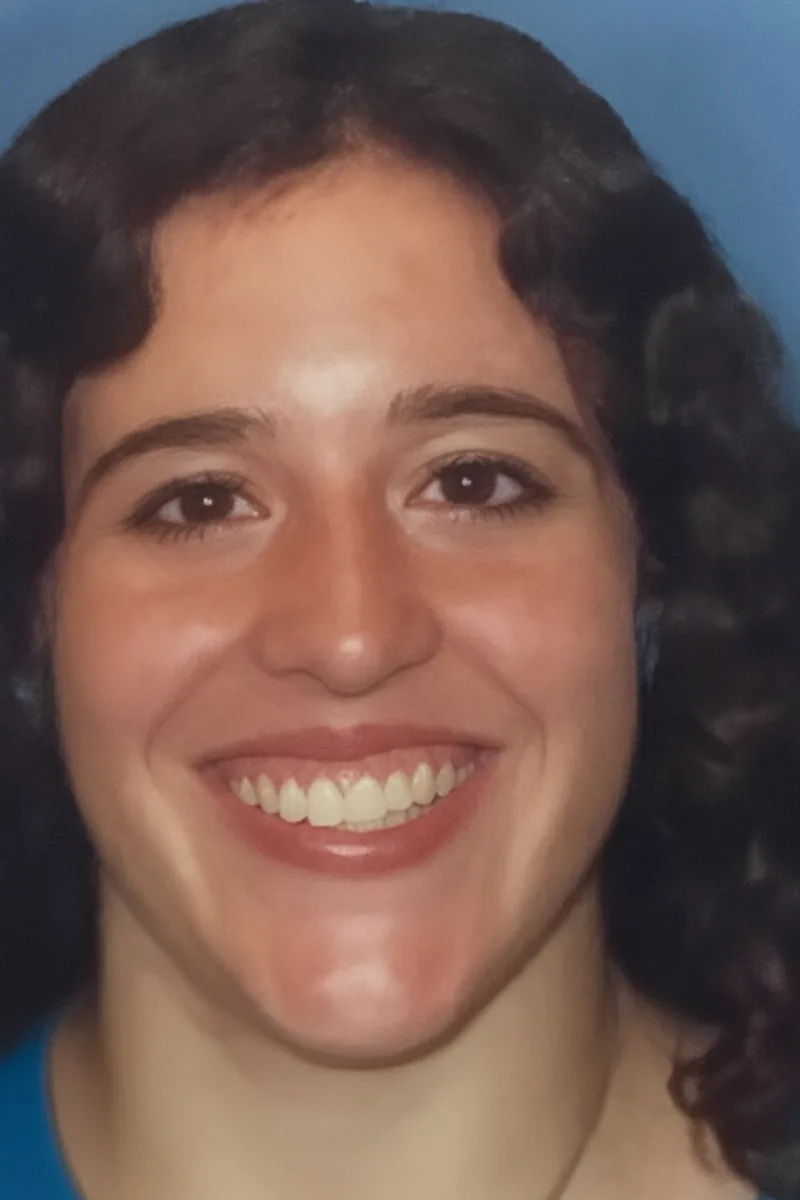
Medical school demands serious executive functioning — juggling anatomy, biochemistry, and clinical rotations means Kaitlyn has battle-tested systems for time management, task prioritization, and breaking large projects into manageable steps. She teaches students how to build their own planning routines, from using calendars effectively to chunking study sessions so material actually sticks. Rated 4.8 by students and families.
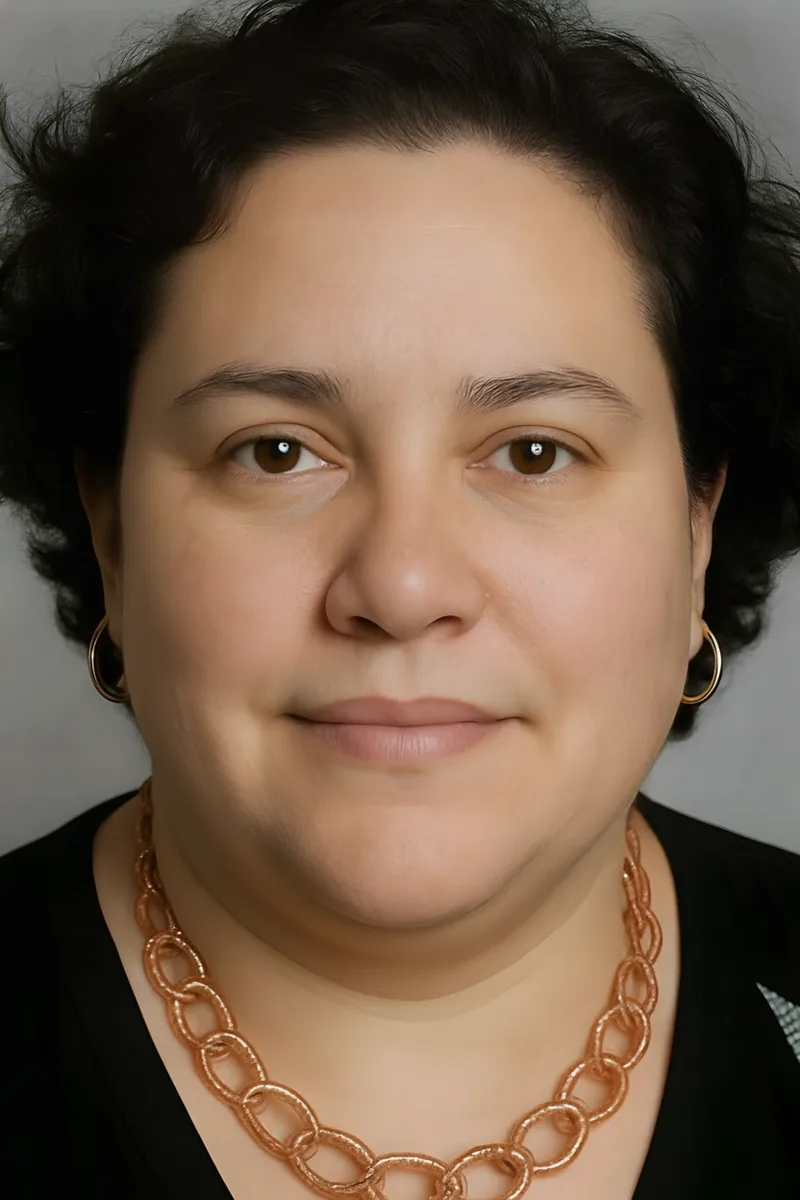
All students can learn, however, not all students learn the same way. The key to learning and the most important part of any teachers job is helping students understand how they learn best. That is what I do well.
Over two decades working with students on IEPs and 504 plans taught Dolmecia exactly where the hidden breakdowns happen — the kid who understands the math but can't start the problem set, or the one whose binder is a black hole of lost worksheets. Her special education certification and finance training give her both the behavioral framework and the structured, systems-oriented mindset to build concrete routines around task initiation, material tracking, and assignment planning tied to a student's actual schoolwork.
Breaking large assignments into sequenced steps, building weekly planning routines, managing deadlines across multiple classes — Manuel tackles the organizational side of academics that often goes untaught. His structured approach to executive functioning gives students concrete systems they actually use, not just advice to "stay organized." Rated 5.0 by students.
Planning, prioritizing, managing time, shifting between tasks — these are the invisible skills that school demands but rarely teaches outright. Elise breaks executive functioning into concrete, practicable habits: using checklists to start assignments, setting timers to maintain focus, and building routines for organizing materials. Her special education training means she understands the neurological side of these challenges, not just the behavioral one.
Hello! My name is Sam Bicking. I am an alumni and student at The University of Pennsylvania studying Pre-health sciences before entering medical school. I have been tutoring for several years with students with disabilities (and amazing students without disabilities).
Tutoring across 46 subjects — from elementary math to organic chemistry to college essays — means Adel constantly sees which organizational habits transfer across disciplines and which ones students are missing. His biochemistry training at Georgia Tech required coordinating lab work, problem sets, and writing simultaneously, so he teaches students concrete strategies for prioritizing tasks, estimating how long assignments actually take, and building weekly workflows that prevent last-minute scrambles. Rated 5.0 by clients.
Jamie's Master's in Special Education gave her direct training in breaking executive functioning into teachable skills — things like planning multi-step assignments, managing time with visual schedules, and self-monitoring progress without constant prompting. She builds these strategies into real schoolwork so students practice organization and task initiation where it actually matters, not in isolation.
I am persuasive and capable of developing rapport and trust, as well as experienced in influencing the attitudes and ideas of others.
Planning a multi-step essay, breaking a semester-long project into weekly milestones, keeping track of deadlines across six classes — these are executive functioning challenges Gabby addresses directly. Her five-plus years as a tutor and writing coach have centered on building concrete systems for organization, time management, and task prioritization that students can actually maintain on their own.
Planning, prioritizing, managing time, and shifting between tasks — these executive functioning skills underpin academic success but rarely get taught explicitly. Derek tackles them as teachable skills, building concrete systems like task checklists, color-coded planners, and structured routines that students internalize over time. His doctorate focused on how curriculum design shapes learning behavior, which gives him a research-grounded toolkit for strengthening these cognitive habits.
I hold a Bachelor's degree in Cognitive Neuroscience from Brown University and am currently completing a PhD in Psychology. My tutoring style is structured, supportive, and warm. I focus on breaking big goals into manageable steps, building realistic study routines, and helping students develop systems they can actually maintain. I emphasize executive function skills such as planning, time management, task initiation, and follow-through, while integrating mindfulness-based strategies to support focus, reduce anxiety, and improve confidence. Whether working with a younger student or an adult learner, my goal is to help students feel capable, organized, and increasingly independent in their learning.
I'm working towards my Bachelors/Masters in Chemical Engineering at the Rochester Institute of Technology, with a special interest in math and physics! I believe that visual demonstrations alongside verbal explanations of material work best for strengthening a students ability to conceptualize material. I have experience tutoring both college and high school students, and I am particularly well-equipped to assist with math, physics, and SAT preparation.
Planning a multi-step assignment, managing time across subjects, keeping materials organized — these are skills most schools expect but rarely teach explicitly. Charles's counseling psychology training gives him concrete strategies for building these executive functioning habits, from using visual task breakdowns to teaching students how to self-monitor their own focus and prioritize effectively.
Planning, prioritizing, and managing time across multiple commitments is something Sydny had to master while juggling three undergraduate majors and medical school preparation. She breaks executive functioning into specific, practicable skills — task initiation, deadline mapping, and self-monitoring — so students build routines that work independently of a tutor's reminders.
Testimonials
Because the right Executive Functioning tutor makes all the difference.
Average Session Rating – Based on 3.4M Learner Ratings
Nearby Executive Functioning Tutors
Other Port St. Lucie Tutors
Related Learning Differences Tutors in Port St. Lucie
Frequently Asked Questions
Executive functioning refers to the mental processes that help us plan, organize, manage time, focus attention, and complete tasks—skills essential for academic success and daily life. Students with strong executive functioning skills are better equipped to break down assignments, meet deadlines, manage multiple subjects, and adapt when plans change. Many students struggle with these skills, and personalized instruction can help identify specific gaps and build strategies tailored to how each student learns best.
Students often struggle with time management, organization, planning multi-step projects, maintaining focus, and shifting between tasks. Many have difficulty prioritizing assignments, starting work without procrastination, or breaking large projects into manageable steps. Working with a tutor who specializes in executive functioning helps students develop concrete systems and habits to address these specific challenges, rather than relying on generic study tips that don't fit their needs.
In a classroom setting with an average student-teacher ratio of 17.8:1 in Port St. Lucie schools, teachers have limited time to work one-on-one with students on organizational strategies and planning skills. Personalized instruction allows tutors to assess each student's specific strengths and weaknesses, teach customized organizational systems, and practice real strategies using the student's actual assignments and deadlines. This targeted approach leads to faster skill development and more sustainable habits than general classroom instruction.
Students typically see improvements in assignment completion rates, on-time submission of work, quality of planning before starting projects, and overall academic grades as organization improves. Many also report reduced stress and anxiety around schoolwork, better focus during study sessions, and increased independence in managing their workload. The timeline for improvement varies by student, but most see noticeable changes within 4-6 weeks of consistent practice with new strategies.
The first session focuses on assessment and getting to know the student's learning style, current challenges, and goals. Tutors will ask about specific situations where the student struggles—like starting homework, organizing materials, managing long-term projects, or handling multiple deadlines—and observe how the student approaches a task. From there, they'll develop a personalized plan targeting the most impactful skills to work on first, ensuring the student feels heard and that the tutoring directly addresses their real needs.
Yes, executive functioning demands increase significantly as students progress through school. Elementary students focus on basic organization and following multi-step directions, while middle school introduces managing multiple classes and longer-term projects. High school requires advanced planning, balancing extracurriculars, and preparing for college-level work. Tutors adjust their strategies and expectations based on grade level and the specific academic demands students face, ensuring instruction stays relevant and challenging.
Varsity Tutors connects students with expert tutors who specialize in executive functioning and understand how to teach organizational and planning skills. When you reach out, you'll describe your student's specific challenges and goals, and you'll be matched with a tutor whose expertise and teaching style align with your student's needs. The tutor will work with your student's actual schedule, assignments, and learning style to build skills that stick.
Absolutely. Many students benefit from working with a tutor who can address both executive functioning skills and subject-specific content—for example, learning how to organize a research paper while also improving writing skills, or managing math homework while building problem-solving strategies. Some students work with multiple tutors depending on their needs. Varsity Tutors can help you find the right match or matches for your student's situation.
Let’s find your perfect tutor
Answer a few quick questions. We’ll recommend the right plan and match you with a top 5% tutor.