Award-Winning Special Education Tutors
serving New Haven, CT
Special Education
Tutors in New Haven
Private 1-on-1 tutoring, weekly live classes for academic support, test prep & enrichment, practice tests and diagnostics, and more to elevate grades and test scores.
Based on 3.4M Learner Ratings
UniversitiesSchools & Universities
DeliveredHours Delivered
ProficiencyGrowth in Proficiency
Who needs tutoring?
No obligation. Takes ~1 minute.
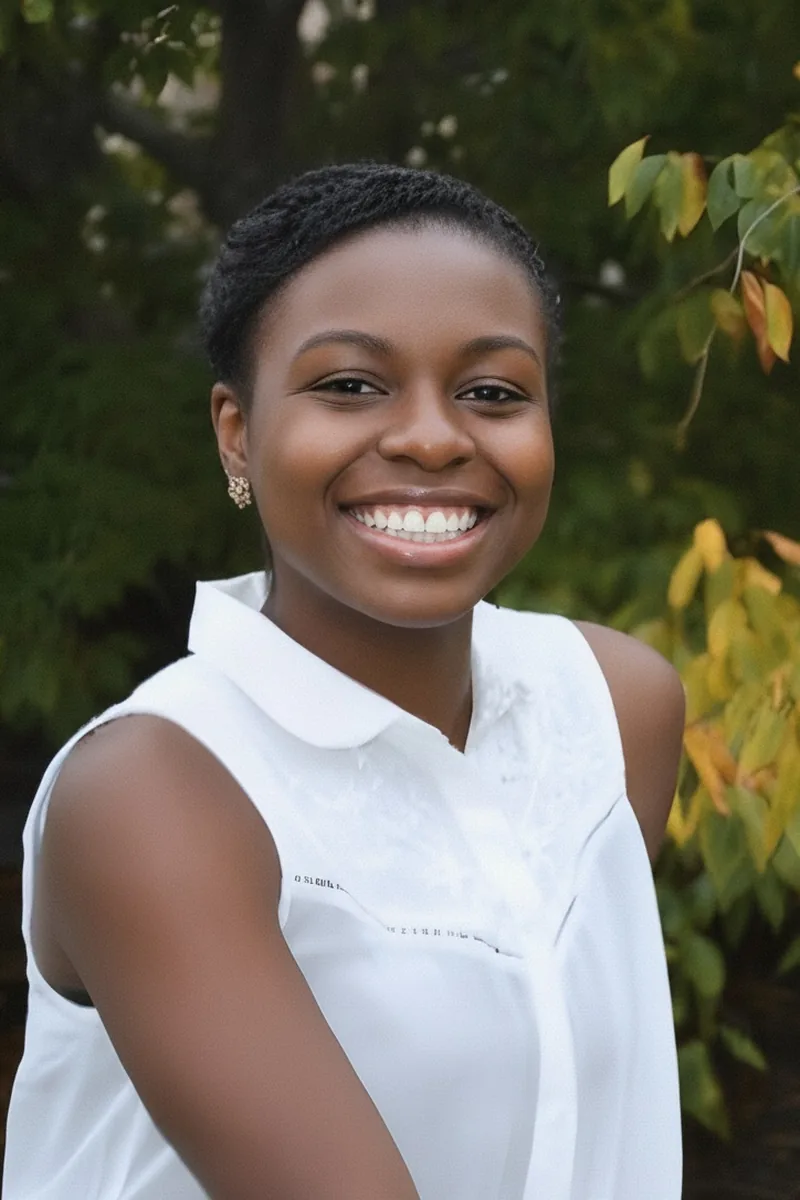
Theresa adapts her teaching pace, format, and explanations to match how each learner actually processes information, whether that means visual organizers for reading comprehension or step-by-step scaffolding in math. Her range across subjects — from writing to algebra to study skills — means she can meet a student's needs without constantly switching tutors.
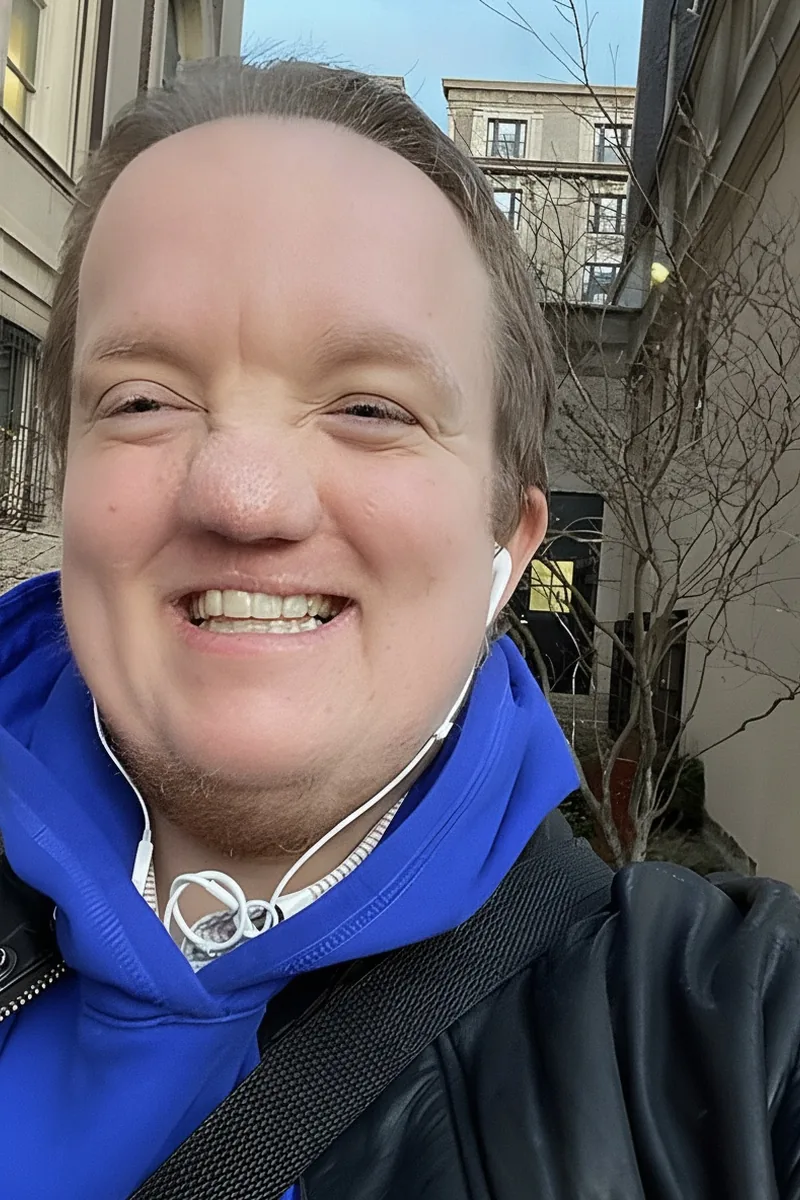
Jamie holds a Master's in Special Education, which means he doesn't just adapt lessons on the fly — he designs instruction around how each student processes, retains, and demonstrates understanding. Whether a learner has an IEP addressing executive function challenges, reading disabilities, or autism spectrum needs, Jamie builds structured, multi-sensory approaches that connect to the student's strengths rather than spotlighting gaps.
I am persuasive and capable of developing rapport and trust, as well as experienced in influencing the attitudes and ideas of others.
A PhD in neuroscience means Elliot understands learning differences at the biological level — how attention, working memory, and processing speed vary across brains and what that means for instruction. He explicitly welcomes learners on the spectrum and tailors pacing, scaffolding, and sensory considerations to each student rather than defaulting to one-size-fits-all methods. His 5.0 rating speaks to that individualized care.
Trained in special education at Vanderbilt and currently teaching in the field, Alexandra designs instruction around how each learner processes information — not around a one-size-fits-all curriculum. She adapts materials for students with learning disabilities, ADHD, and other differences, breaking academic content into manageable, scaffolded steps that build genuine understanding.
Grant has spent two decades working successfully with students across a wide range of learning differences, from processing disorders to ADHD to math-specific anxiety. His approach strips away the shame many students carry — he slows down, re-explains using different models, and builds lessons around how each individual learner actually thinks rather than forcing a one-size-fits-all method.
Lena's daily experience as a middle school teacher means she's practiced at adapting lessons on the fly when a student needs a different entry point into material. She breaks tasks into smaller, clearly sequenced steps and uses patient repetition and multi-sensory techniques to reinforce skills in reading, writing, and math. Her approach prioritizes building confidence alongside academic progress.
A psychology degree gave Maggie a deep understanding of how learning differences — from ADHD to processing disorders — affect the way students absorb and retain information. She adapts lessons using multi-sensory techniques, scaffolded instructions, and frequent check-ins that keep students engaged without overwhelming them. Her approach is patient and structured, building skills at a pace that respects each learner's needs.
Every learner processes information differently, and Professor Florence draws on her psychology training at UCLA to identify where a student's understanding is breaking down and restructure the material accordingly. She adapts pacing, visual aids, and practice strategies to match each student's learning profile, whether the challenge involves processing speed, attention, or executive function.
Rosemary's graduate work in occupational therapy included extensive training in adaptive learning strategies, sensory processing, and task analysis — the clinical side of what special education looks like in practice. She volunteers regularly with the Down syndrome community, giving her hands-on experience tailoring instruction to different cognitive and developmental profiles. That combination means she doesn't just know accommodations exist; she knows how to implement them in real learning moments.
Working as an instructor at Seven Hills Foundation, Will teaches students with diverse learning needs every day — adapting pace, breaking multi-step problems into manageable chunks, and finding the explanation style that clicks for each individual. That hands-on experience with IEP-aligned instruction means he knows how to adjust on the fly rather than relying on a one-size-fits-all approach.
Charles holds a Master's in Counseling Psychology, which means he understands how different learners process information — not just in theory, but in practice. He adapts pacing, materials, and instruction style to match each student's needs, whether that means breaking a reading passage into smaller chunks or reteaching a math concept through a completely different method.
Testimonials
Because the right Special Education tutor makes all the difference.
Average Session Rating – Based on 3.4M Learner Ratings
Nearby Special Education Tutors
Other New Haven Tutors
Related Learning Differences Tutors in New Haven
Frequently Asked Questions
Special education tutoring provides personalized 1-on-1 instruction tailored to a student's individual education plan (IEP) goals, learning style, and pace. Tutors work to reinforce classroom concepts, build foundational skills, and help students develop strategies for academic success and independence. Whether a student needs support with reading, math, executive functioning, or social-emotional skills, tutoring complements their school-based services.
In a classroom setting with a 12.2:1 student-teacher ratio in New Haven schools, teachers must balance the needs of many students. Personalized 1-on-1 tutoring allows for customized pacing, repeated practice on specific skills, and immediate feedback tailored to how your student learns best. Tutors can adjust strategies in real-time and focus entirely on your student's IEP objectives without competing demands.
Yes. Varsity Tutors connects you with tutors who understand IEP structures and can align their instruction with your student's specific goals and accommodations. It's helpful to share your student's IEP or progress monitoring data with the tutor so they can reinforce skills being targeted in school and help track progress toward measurable outcomes.
Students often struggle with foundational skills like phonics, decoding, and math fact fluency; executive functioning challenges such as organization and task initiation; and building confidence after repeated academic struggles. Many students also benefit from explicit instruction in social skills and self-advocacy. Personalized tutoring addresses these specific barriers with targeted, research-based strategies and plenty of practice opportunities.
The first session is typically an assessment and relationship-building meeting. The tutor will learn about your student's strengths, challenges, learning preferences, and current IEP goals. They'll discuss what skills need the most support and establish a tutoring plan that aligns with your student's needs. This foundation helps ensure every subsequent session is focused and productive.
Look for tutors with experience in special education, knowledge of evidence-based interventions (like structured literacy for dyslexia or explicit math instruction), and familiarity with IEP processes. Many tutors hold special education certifications or have worked as special education teachers or paraprofessionals. When you connect with a tutor through Varsity Tutors, you can discuss their background and approach to ensure they're a good fit for your student.
Progress in special education is often measured through IEP progress monitoring data, skill assessments, and observable changes in confidence and independence. A good tutor will track specific, measurable goals—like improved fluency, fewer errors on math problems, or better task completion—and share regular updates. You should see gradual improvement in the targeted skills within a few weeks of consistent tutoring.
Tutoring works best as a complement to your student's school-based services, not a replacement. New Haven's 10 school districts offer special education support, and tutoring can reinforce what's happening in the classroom, provide extra practice, and help bridge gaps between sessions. Communication between tutors and school staff—with your permission—can strengthen your student's overall support system.
Let’s find your perfect tutor
Answer a few quick questions. We’ll recommend the right plan and match you with a top 5% tutor.