Award-Winning High School Chemistry Tutors
serving Hartford, CT
High School Chemistry
Tutors in Hartford
Private 1-on-1 tutoring, weekly live classes for academic support, test prep & enrichment, practice tests and diagnostics, and more to elevate grades and test scores.
Based on 3.4M Learner Ratings
UniversitiesSchools & Universities
DeliveredHours Delivered
ProficiencyGrowth in Proficiency
Who needs tutoring?
No obligation. Takes ~1 minute.
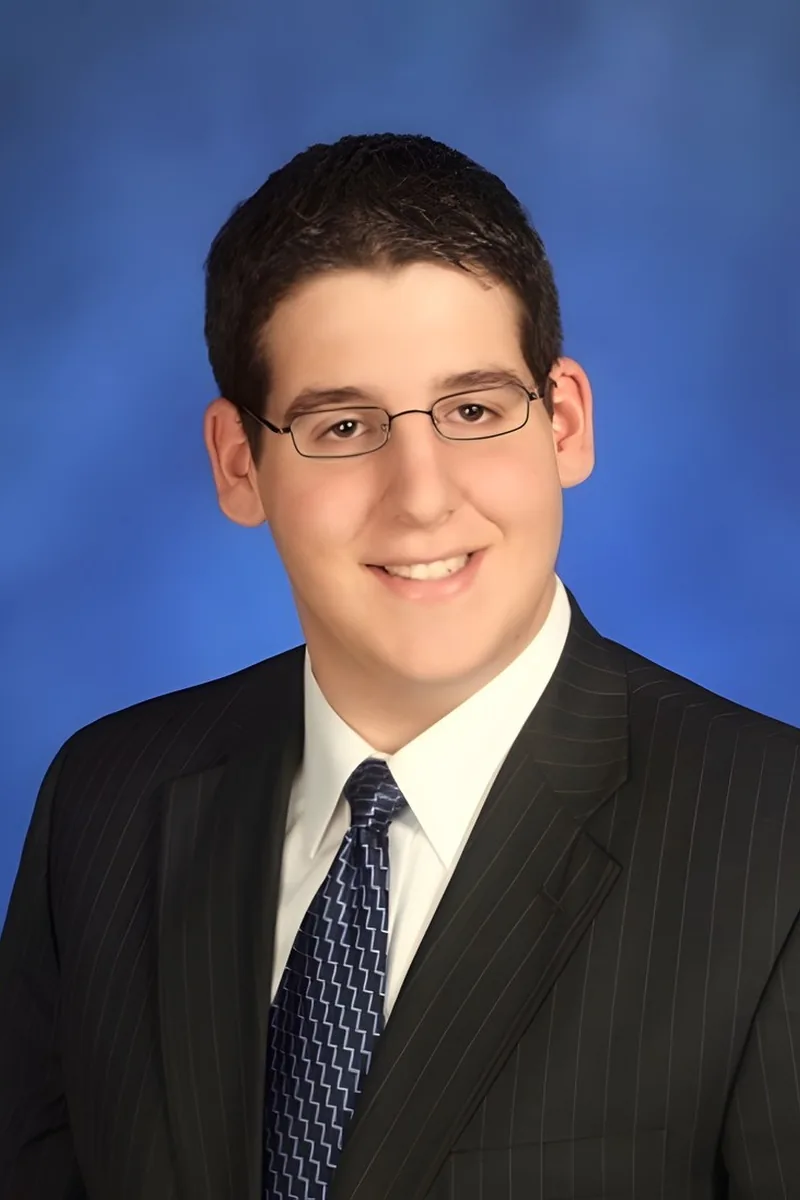
The mole concept trips up more high school chemistry students than almost anything else, and Ethan has a knack for demystifying it with concrete analogies before layering on the math. He also brings strong quantitative skills — a 36 ACT and coursework in calculus and statistics — which means dimensional analysis and unit conversions get taught precisely, not hand-waved.

Chemistry clicks when students understand the "why" behind the rules — why electronegativity drives bond polarity, or why certain reactions are spontaneous while others aren't. Tessa, a Yale math and history double major, brings that same explanatory instinct to stoichiometry, equilibrium, and thermochemistry, connecting each concept to the underlying logic rather than asking students to memorize formulas in isolation.
Balancing equations and stoichiometry problems come down to tracking atoms and units — something Max breaks into repeatable steps so the logic clicks before the math even starts. As a Yale economics student with a 5.0 tutoring rating, he brings the same quantitative rigor to mole conversions and equilibrium calculations that he applies to his own coursework.
I am a PhD student in Inorganic Chemistry at Yale University. I've been spreading my love of chemistry for the past several years as a TA for general chemistry, and I'm excited to share my passion with you! Prior to Yale, I got my B.S. in chemistry from Caltech, where I also served as a TA for both general chemistry lab and advanced inorganic chemistry. Outside of teaching and research, I enjoy fencing, reading, and playing piano.
Coaching his school's Chemistry Olympiad team gave Richard a feel for where students get tripped up on competition-level problems — and that same instinct applies when he's walking someone through nomenclature, electron configurations, or balancing redox reactions at the high school level. His economics studies at the University of Chicago might seem unrelated, but the quantitative rigor carries over, and his hundreds of hours teaching chemistry to students ranging from elementary schoolers to Olympiad competitors means the fundamentals are deeply ingrained.
I am a senior at the University of New Haven working on a B.S. in Forensic Science-Biology with a Pre-Medical designation who hopes to go to medical school in the future. I am most passionate about biology and chemistry but have a strong personal interest in history, especially topics overlooked in the past study of history. To me, learning is a life long process and leads to the development of a well-rounded individual. Seeing understanding of a difficult topic and creating enthusiasm for learning is what draws me to tutoring.
Balancing equations, predicting reaction types, working through stoichiometry — high school chemistry clicks once students see the logic connecting these pieces. Chantel's molecular biology degree means she understands chemical principles at a deeper level and can explain concepts like mole ratios or electron configurations in ways that actually make sense. She's patient enough to walk through the same problem three different ways until the right approach lands.
That first encounter with mole conversions or balancing redox reactions can feel like learning a new language, and Lily approaches it that way — teaching students the grammar of chemistry so they can solve problems they haven't seen before. Her own science training means she can connect high school topics like periodic trends and bonding to real applications that make the material stick.
Ten years of tutoring science while progressing through medical school and now a surgical residency application means Patrick has never stopped using chemistry — from pharmacokinetics to anesthesia gas behavior, concepts like equilibrium, gas laws, and acid-base chemistry show up in his clinical work constantly. He teaches high school students to think about what's happening at the particle level first, then translate that picture into the math, which makes topics like stoichiometry and reaction predictions feel less like arbitrary procedures.
Sabine earned her B.S. in Chemistry, which means she doesn't just know the formulas — she understands the molecular-level logic behind gas laws, thermochemistry, and chemical bonding well enough to explain it multiple ways until it clicks. Her approach zeroes in on connecting the periodic table's patterns to what students actually see in problems, so predicting products or working through enthalpy calculations starts to feel intuitive. Rated 5.0 by her students.
Balancing redox equations, predicting products, and navigating stoichiometry all become more manageable when a student understands the 'why' behind each reaction type. Maggie's molecular and cellular biology degree gave her deep fluency in chemical principles, and she applies that knowledge to demystify everything from periodic trends to equilibrium calculations. She holds a 5.0 rating from students.
A chemistry major at Harvard who's heading to Columbia Medical School, James teaches high school chemistry with the kind of depth that makes concepts like stoichiometry and electron configurations click on a conceptual level — not just as formulas to memorize. He connects classroom topics to real-world applications in medicine and materials science, which tends to turn chemistry skeptics into students who actually enjoy the subject.
Balancing equations and predicting reaction products can feel like learning a foreign language, but Eric breaks inorganic chemistry concepts down into logical steps that build on each other. His science training across biology and ecology gives him a knack for connecting chemical principles — like bonding and stoichiometry — to real-world processes students can actually picture.
Having spent years studying bio-organic chemistry at the college level, Alex knows exactly how high school topics like Lewis structures, nomenclature, and reaction types feed into the harder material that comes later — and he teaches them with that bigger picture in mind. He breaks down problems step by step, especially in areas like dimensional analysis and mole conversions, so the math side of chemistry stops feeling like a separate skill from the conceptual side.
General chemistry was the first subject Alec taught as a TA at Cornell, running problem-solving sessions where students worked through stoichiometry, equilibrium, and acid-base reactions in real time. That hands-on teaching background means he knows exactly where high schoolers get tripped up — whether it's balancing redox equations or making sense of periodic trends. Rated 4.8 by students.
Three science bachelor's degrees — including one specifically in chemistry — mean Sung has spent serious time with everything from electron orbitals to thermochemistry, not just at the introductory level but across multiple disciplinary angles. He digs into the "why" behind concepts like periodic trends and reaction energetics so students can reason through unfamiliar problems on exams instead of relying on memorized shortcuts. Rated 5.0 by students.
Three-plus years of classroom instruction in advanced chemistry means Sugi has seen exactly where high school students get stuck — balancing redox equations, applying Le Chatelier's principle, or connecting molecular geometry to polarity. She teaches the underlying logic of each topic so students build real problem-solving skills, and her biochemistry training at Rice keeps the material grounded in real-world applications.
Most high school chemistry students hit a wall somewhere around mole conversions or balancing redox reactions — the point where the subject stops feeling like science and starts feeling like math. Jessica approaches those sticking points by explaining the underlying logic first, then layering on the calculations. Her background in medicine keeps her grounded in why this chemistry actually matters.
Most high school Chemistry struggles come down to one thing: the periodic table is supposed to be a cheat sheet, but nobody taught students how to read it. Sharan connects trends like electronegativity and atomic radius to actual behavior in reactions, so predicting whether a bond is ionic or covalent stops being a guessing game. She's earned a 5.0 rating tutoring science subjects alongside her premed studies at Cornell.
Working daily with CRISPR-Cas9 and other biochemical tools in a Yale research lab, Matthew sees chemistry in action — the thermodynamics of enzyme reactions, the pH sensitivity of buffer systems, the molecular interactions that make or break an experiment. That hands-on context sharpens how he teaches high school topics like equilibrium, gas laws, and nomenclature, because he can point to exactly where each concept shows up beyond the textbook.
Stoichiometry, equilibrium, and acid-base reactions make more sense when a student can see where they lead. Bidyut ties high school chemistry concepts to biomedical applications he's encountered at Johns Hopkins, turning mole calculations and reaction balancing into something more tangible than textbook exercises.
Balancing equations and stoichiometry are mechanical once you see the logic, but topics like equilibrium, thermodynamics, and acid-base chemistry require real conceptual understanding. Annie tackles these through her engineering lens, connecting abstract chemical principles to tangible applications — like how reaction kinetics govern drug delivery systems she studies in her biomedical program at Cornell.
Testimonials
Because the right High School Chemistry tutor makes all the difference.
Average Session Rating – Based on 3.4M Learner Ratings
Nearby High School Chemistry Tutors
Other Hartford Tutors
Related Science Tutors in Hartford
Frequently Asked Questions
High school chemistry requires mastering both abstract concepts and practical skills. Students often struggle with balancing chemical equations, understanding mole conversions, and visualizing molecular structures—concepts that are invisible but fundamental to the subject. Many also find it challenging to connect theoretical ideas to real-world applications, like how chemical reactions happen in everyday life. Personalized tutoring helps students build a solid foundation in these areas and develop the problem-solving strategies they need to succeed.
Understanding concepts is far more valuable than memorization in chemistry. When you grasp why a reaction occurs or how molecular bonding works, you can apply that knowledge to new problems and experiments you've never seen before. Memorizing formulas without understanding leads to confusion on exams and labs. Expert tutors focus on building genuine conceptual understanding, helping you see the logic behind chemical principles so you can tackle any problem with confidence.
Absolutely. Chemistry labs are where theoretical knowledge becomes concrete, but many students struggle to connect what they learn in class to what happens in the lab. Tutors can help you understand the scientific method, predict experimental outcomes, analyze data, and write clear lab reports. They also help you develop safe lab practices and troubleshoot when experiments don't go as expected—skills that deepen your understanding of chemistry concepts.
Your first session is about building a personalized learning plan. A tutor will assess your current understanding of chemistry concepts, identify specific areas where you're struggling (like balancing equations or stoichiometry), and learn about your learning style and goals. From there, you'll work together on targeted strategies to address your challenges, whether that's mastering unit conversions, preparing for an exam, or building confidence with lab reports. This personalized approach ensures every session directly supports your success.
With 60 schools across 10 school districts in Hartford, chemistry curricula can vary, but the core challenges—balancing equations, understanding atomic structure, grasping reaction mechanisms—remain consistent. Varsity Tutors connects you with expert tutors who understand high school chemistry standards and can work at your school's pace. Whether you're in honors chemistry, AP Chemistry, or a standard course, personalized instruction helps you master the material, perform better on assessments, and build the scientific reasoning skills you'll need for future science courses.
Unit conversions and stoichiometry require you to think in multiple dimensions at once—tracking moles, grams, liters, and ratios while keeping track of what you're solving for. These skills are abstract and don't have obvious real-world reference points, making them hard to visualize. A tutor can break down the process into manageable steps, teach you systematic strategies for approaching conversion problems, and help you practice until the logic becomes intuitive. With targeted support, these topics shift from confusing to manageable.
Many students see noticeable improvement within 3-4 weeks of consistent, personalized tutoring—especially in specific problem areas like balancing equations or unit conversions. However, deeper conceptual understanding and confidence with complex topics like equilibrium or thermodynamics often develop over several months of ongoing support. The timeline depends on your starting point, how frequently you meet with a tutor, and how actively you practice between sessions. Regular tutoring combined with consistent effort yields the strongest results.
Expert tutors create targeted exam prep strategies that focus on your specific weak areas rather than generic review. They help you practice with real exam-style questions, teach you time-management techniques, and build your confidence with challenging topics like thermodynamics, kinetics, or acid-base chemistry. For AP Chemistry specifically, tutors ensure you understand both the content and the exam format, helping you develop the analytical skills needed to score well. Personalized preparation is far more effective than studying alone.
Let’s find your perfect tutor
Answer a few quick questions. We’ll recommend the right plan and match you with a top 5% tutor.