Areas and Perimeters of Polygons - SSAT Upper Level Quantitative
Card 0 of 440
A regular hexagon has perimeter 9 meters. Give the length of one side in millimeters.
A regular hexagon has perimeter 9 meters. Give the length of one side in millimeters.
Tap to see back →
One meter is equal to 1,000 millimeters, so the perimeter of 9 meters can be expressed as:
9 meters =  millimeters.
Since the six sides of a regular hexagon are congruent, divide by 6:
 millimeters.
One meter is equal to 1,000 millimeters, so the perimeter of 9 meters can be expressed as:
9 meters =
Since the six sides of a regular hexagon are congruent, divide by 6:
A regular hexagon has perimeter 15 feet. Give the length of one side in inches.
A regular hexagon has perimeter 15 feet. Give the length of one side in inches.
Tap to see back →
As the six sides of a regular hexagon are congruent, we can write:
 feet;
feet;  is the length of each side.
One feet is equal to 12 inches, so we can write:
 inches
As the six sides of a regular hexagon are congruent, we can write:
One feet is equal to 12 inches, so we can write:
A hexagon with perimeter 60 has four congruent sides of length  . Its other two sides are congruent to each other. Give the length of each of those other sides in terms of
  .
.
A hexagon with perimeter 60 has four congruent sides of length
Tap to see back →
The perimeter of a polygon is the sum of the lengths of its sides. Let:
 Length of one of those other two sides
Now we can set up an equation and solve it for  in terms of
  :
:





The perimeter of a polygon is the sum of the lengths of its sides. Let:
Now we can set up an equation and solve it for
Two sides of a hexagon have a length of  , two other sides have the length of
  , and the rest of the sides have the length of
  . Give the perimeter of the hexagon.
Two sides of a hexagon have a length of
Tap to see back →
The perimeter of a polygon is the sum of the lengths of its sides. So we can write:

The perimeter of a polygon is the sum of the lengths of its sides. So we can write:
Each interior angle of a hexagon is 120 degrees and the perimeter of the hexagon is 120 inches. Find the length of each side of the hexagon.
Each interior angle of a hexagon is 120 degrees and the perimeter of the hexagon is 120 inches. Find the length of each side of the hexagon.
Tap to see back →
Since each interior angle of a hexagon is 120 degrees, we have a regular hexagon with identical side lengths. And we know that the perimeter of a polygon is the sum of the lengths of its sides. So we can write:
 inches
Since each interior angle of a hexagon is 120 degrees, we have a regular hexagon with identical side lengths. And we know that the perimeter of a polygon is the sum of the lengths of its sides. So we can write:
A hexagon with perimeter of 48 has three congruent sides of  . Its other three sides are congruent to each other with the length of
  . Find
  .
.
A hexagon with perimeter of 48 has three congruent sides of
Tap to see back →
The perimeter of a polygon is the sum of the lengths of its sides. Since three sides are congruent with the length of  and the rest of the sides have the length of
  we can write:

Now we should solve the equation for  :
:

The perimeter of a polygon is the sum of the lengths of its sides. Since three sides are congruent with the length of
Now we should solve the equation for
A regular pentagon has sidelength one foot; a regular hexagon has sidelength ten inches. The perimeter of a regular octagon is the sum of the perimeters of the pentagon and the hexagon. What is the measure of one side of the octagon?
A regular pentagon has sidelength one foot; a regular hexagon has sidelength ten inches. The perimeter of a regular octagon is the sum of the perimeters of the pentagon and the hexagon. What is the measure of one side of the octagon?
Tap to see back →
A regular polygon has all of its sides the same length. The pentagon has perimeter  ; the hexagon has perimeter
  . The sum of the perimeters is
  , which is the perimeter of the octagon; each side of the octagon has length
  .
.
A regular polygon has all of its sides the same length. The pentagon has perimeter
Find the perimeter of a hexagon with a side length of  .
.
Find the perimeter of a hexagon with a side length of
Tap to see back →
A hexagon has six sides. The perimeter of a hexagon is:

Substitute the side length.

A hexagon has six sides. The perimeter of a hexagon is:
Substitute the side length.
The base length of a parallelogram is 10 inches and the side length is 6 inches. Give the perimeter of the parallelogram.
The base length of a parallelogram is 10 inches and the side length is 6 inches. Give the perimeter of the parallelogram.
Tap to see back →
Like any polygon, the perimeter of a parallelogram is the total distance around the outside, which can be found by adding together the length of each side. In case of a parallelogram, each pair of opposite sides is the same length, so the perimeter is twice the base plus twice the side length. Or as a formula we can write:

Where:
 is the base length of the parallelogram and
  is the side length. So we can write:

Like any polygon, the perimeter of a parallelogram is the total distance around the outside, which can be found by adding together the length of each side. In case of a parallelogram, each pair of opposite sides is the same length, so the perimeter is twice the base plus twice the side length. Or as a formula we can write:
Where:
The base length of a parallelogram is  which is two times more than its side length. Give the perimeter of the parallelogram in terms of
  .
.
The base length of a parallelogram is
Tap to see back →
The side length is half of the base length:

The perimeter of a parallelogram is:

Where:
 is the base length of the parallelogram and
  is the side length


The side length is half of the base length:
The perimeter of a parallelogram is:
Where:
The base length of a parallelogram is  . If the perimeter of the parallelogram is 24, give the side length in terms of
  .
.
The base length of a parallelogram is
Tap to see back →
Let:
Side length  .
.
The perimeter of a parallelogram is:

where:
 is the base length of the parallelogram and
  is the side length. The perimeter is known, so we can write:

Now we solve the equation for  :
:


Let:
Side length
The perimeter of a parallelogram is:
where:
Now we solve the equation for
The side length of a parallelogram is  and the base length is three times more than side length. Give the perimeter of the parallelogram in terms of
  .
.
The side length of a parallelogram is
Tap to see back →
The base length is three times more than the side length, so we have:
Base length 
The perimeter of a parallelogram is:

Where:
 is the base length of the parallelogram and
  is the side length. So we get:


The base length is three times more than the side length, so we have:
Base length
The perimeter of a parallelogram is:
Where:
The base length of a parallelogram is identical to its side length. If the perimeter of the parallelogram is 40, give the base length.
The base length of a parallelogram is identical to its side length. If the perimeter of the parallelogram is 40, give the base length.
Tap to see back →
The perimeter of a parallelogram is:

Where:
 is the base length of the parallelogram and
  is the side length. In this problem the base length and side length are identical, that means:

So we can write:

The perimeter of a parallelogram is:
Where:
So we can write:
The base length of a parallelogram is  and the side length is
  . Give the perimeter of the parallelogram in terms of
  and calculate it for
  .
.
The base length of a parallelogram is
Tap to see back →
The perimeter of a parallelogram is:

where:
 is the base length of the parallelogram and
  is the side length. So we have:

and:

The perimeter of a parallelogram is:
where:
and:
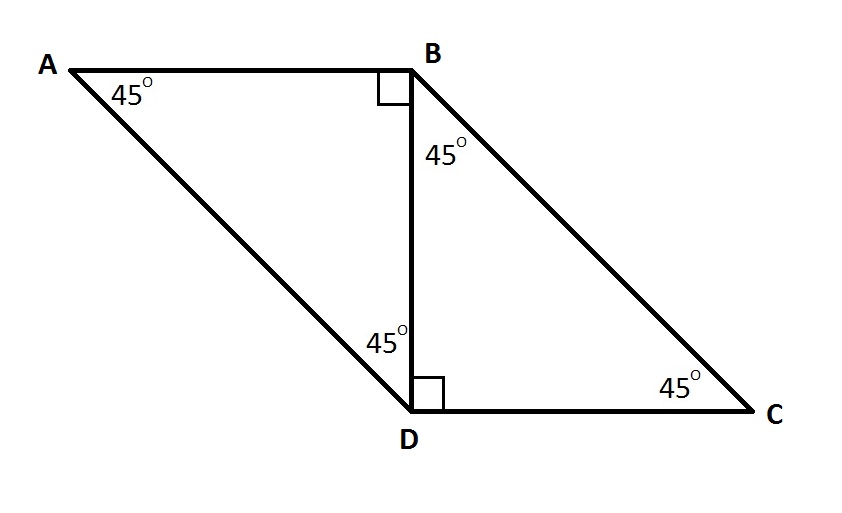
The above parallelogram has area 100. Give its perimeter.
The above parallelogram has area 100. Give its perimeter.
Tap to see back →
The height of the parallelogram is  , and the base is
  . By the
  Theorem,
  . Since the product of the height and the base of a parallelogram is its area,



By the  Theorem,
 , and
, and

The perimeter of the parallelogram is

The height of the parallelogram is
By the
The perimeter of the parallelogram is
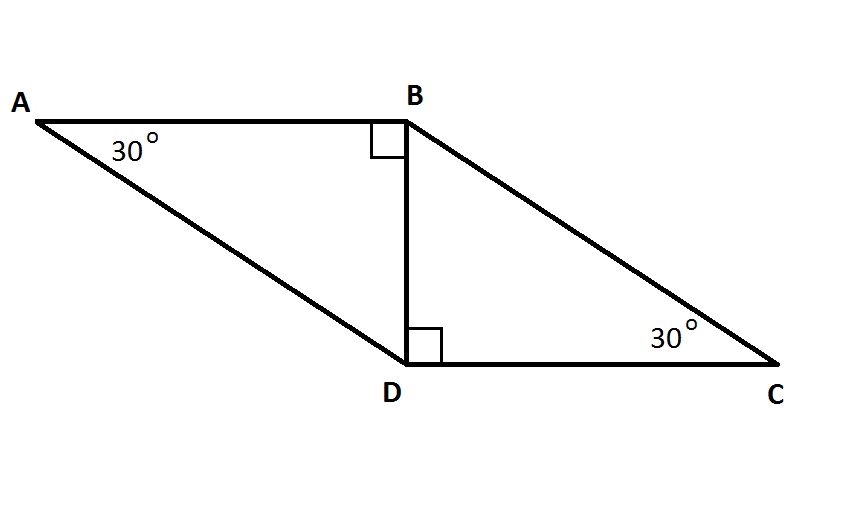
Give the perimeter of the above parallelogram if  .
.
Give the perimeter of the above parallelogram if
Tap to see back →
By the  Theorem:
 , and
, and

The perimeter of the parallelogram is

By the
The perimeter of the parallelogram is
A regular hexagon has perimeter 9 meters. Give the length of one side in millimeters.
A regular hexagon has perimeter 9 meters. Give the length of one side in millimeters.
Tap to see back →
One meter is equal to 1,000 millimeters, so the perimeter of 9 meters can be expressed as:
9 meters = millimeters.
Since the six sides of a regular hexagon are congruent, divide by 6:
millimeters.
One meter is equal to 1,000 millimeters, so the perimeter of 9 meters can be expressed as:
9 meters =
Since the six sides of a regular hexagon are congruent, divide by 6:
A regular hexagon has perimeter 15 feet. Give the length of one side in inches.
A regular hexagon has perimeter 15 feet. Give the length of one side in inches.
Tap to see back →
As the six sides of a regular hexagon are congruent, we can write:
feet; is the length of each side.
One feet is equal to 12 inches, so we can write:
inches
As the six sides of a regular hexagon are congruent, we can write:
One feet is equal to 12 inches, so we can write:
A hexagon with perimeter 60 has four congruent sides of length . Its other two sides are congruent to each other. Give the length of each of those other sides in terms of .
A hexagon with perimeter 60 has four congruent sides of length
Tap to see back →
The perimeter of a polygon is the sum of the lengths of its sides. Let:
Length of one of those other two sides
Now we can set up an equation and solve it for in terms of :
The perimeter of a polygon is the sum of the lengths of its sides. Let:
Now we can set up an equation and solve it for
Two sides of a hexagon have a length of , two other sides have the length of , and the rest of the sides have the length of . Give the perimeter of the hexagon.
Two sides of a hexagon have a length of
Tap to see back →
The perimeter of a polygon is the sum of the lengths of its sides. So we can write:
The perimeter of a polygon is the sum of the lengths of its sides. So we can write: