Graphing - SSAT Upper Level Quantitative
Card 0 of 428
Define an operation  as follows:
For all complex numbers  ,
,

Evaluate 
Define an operation
For all complex numbers
Evaluate
Tap to see back →


Multiply both numerator and denominator by the conjugate of the denominator,  , to rationalize the denominator:


Multiply both numerator and denominator by the conjugate of the denominator,
Raise  to the power of 4.
Raise
Tap to see back →

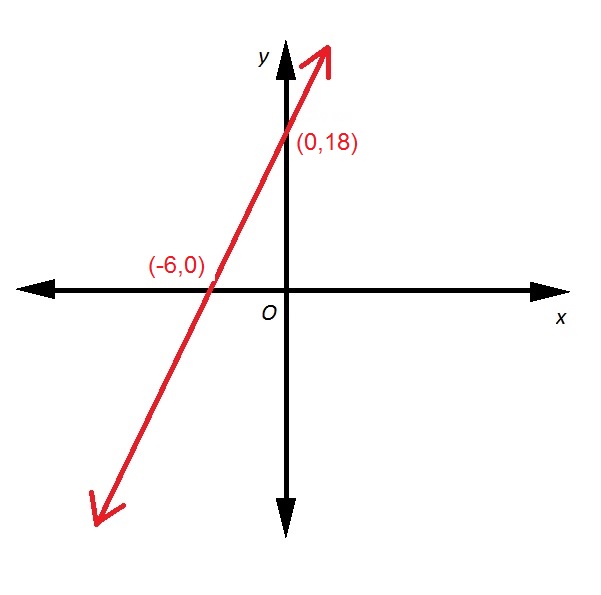
Refer to the above diagram. If the red line passes through the point  , what is the value of
  ?
?
Refer to the above diagram. If the red line passes through the point
Tap to see back →
One way to answer this is to first find the equation of the line.
The slope of a line. given two points  can be calculated using the slope formula
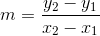
Set  :
:
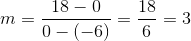
The line has slope 3 and  -intercept
  , so we can substitute
  in the slope-intercept form:


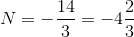
Now substitute 4 for  and
and  for
for  and solve for
  :
:


One way to answer this is to first find the equation of the line.
The slope of a line. given two points
Set
The line has slope 3 and
Now substitute 4 for
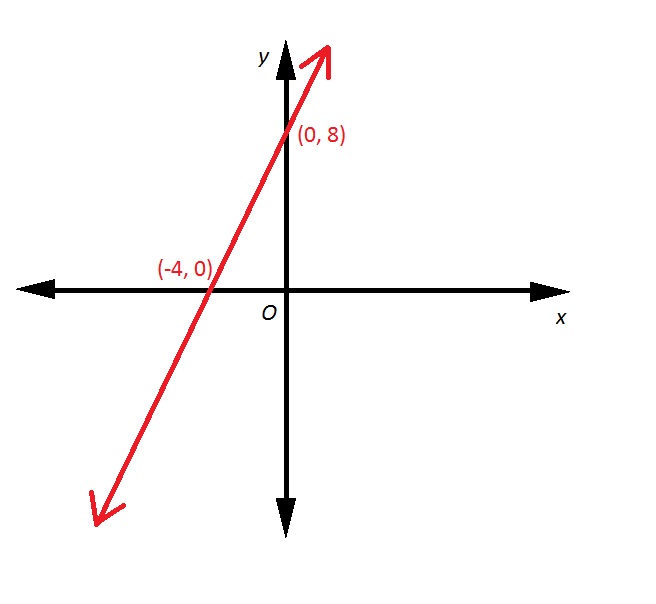
Refer to the above red line. A line is drawn perpendicular to that line, and with the same  -intercept. Give the equation of that line in slope-intercept form.
Refer to the above red line. A line is drawn perpendicular to that line, and with the same
Tap to see back →
First, we need to find the slope of the above line.
The slope of a line. given two points  can be calculated using the slope formula
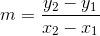
Set  :
:
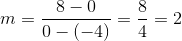
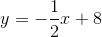
The slope of a line perpendicular to it has as its slope the opposite of the reciprocal of 2, which would be  . Since we want this line to have the same
  -intercept as the first line, which is the point
  , we can substitute
  and
and  in the slope-intercept form:

First, we need to find the slope of the above line.
The slope of a line. given two points
Set
The slope of a line perpendicular to it has as its slope the opposite of the reciprocal of 2, which would be
What are the coordinates of point B?
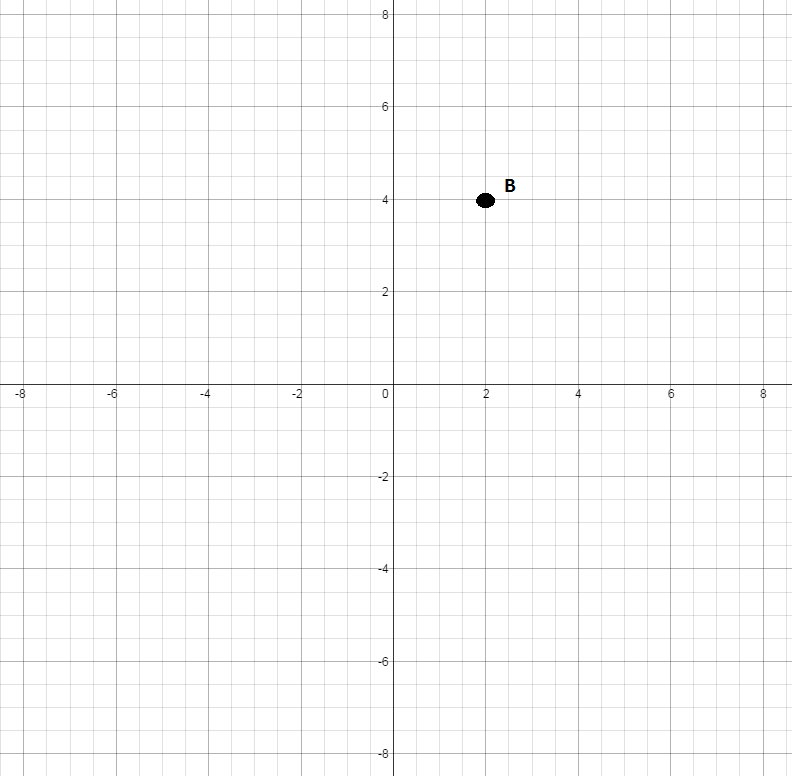
What are the coordinates of point B?
Tap to see back →
Find the x-coordinate by going right on the horizontal x-axis until you come across the line that is directly under the point. The x-coordinate is  .
.
Now, continue up until you reach the point and look across to the vertical y-axis. The y-coordinate is  .
.
 is then the coordinate of the point.
Find the x-coordinate by going right on the horizontal x-axis until you come across the line that is directly under the point. The x-coordinate is
Now, continue up until you reach the point and look across to the vertical y-axis. The y-coordinate is
What are the coordinates for point A?
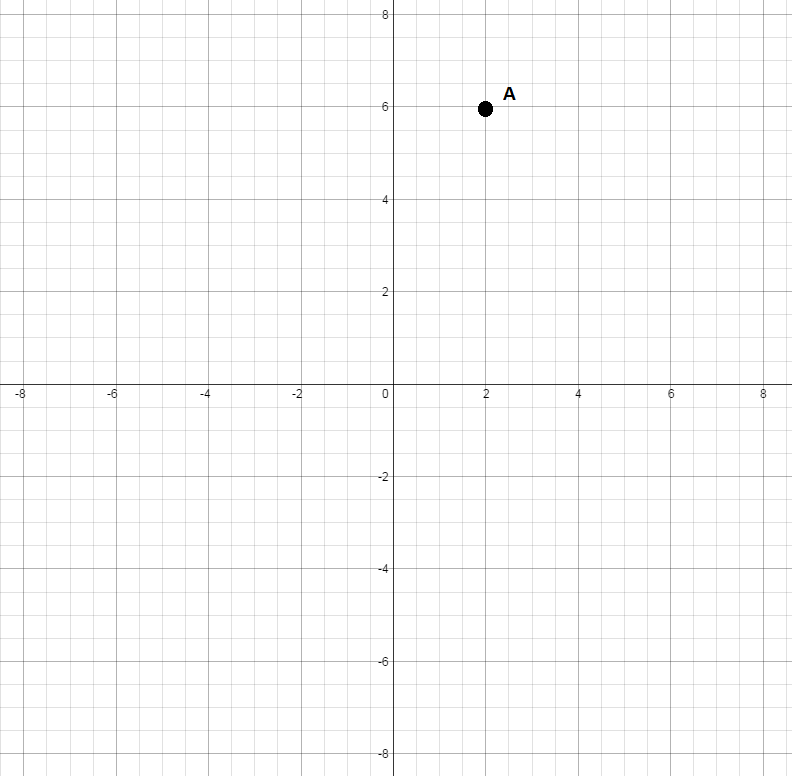
What are the coordinates for point A?
Tap to see back →
Find the x-coordinate by going right on the horizontal x-axis until you come across the line that is directly under the point. The x-coordinate is  .
.
Now, continue up until you reach the point and look across to the vertical y-axis. The y-coordinate is  .
.
 are the coordinates for point A.
Find the x-coordinate by going right on the horizontal x-axis until you come across the line that is directly under the point. The x-coordinate is
Now, continue up until you reach the point and look across to the vertical y-axis. The y-coordinate is
What are the coordinates for point C?
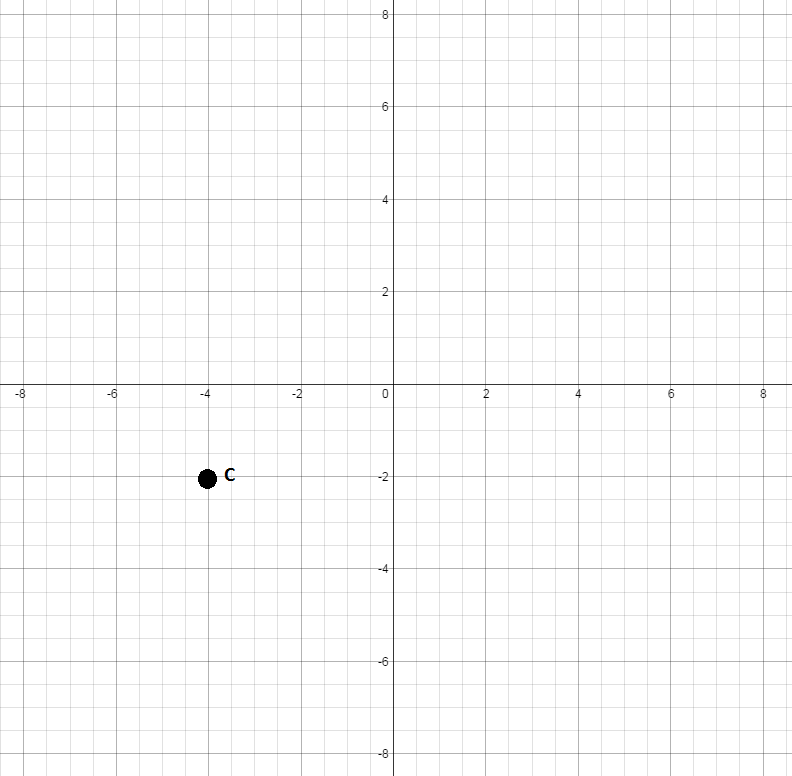
What are the coordinates for point C?
Tap to see back →
Find the x-coordinate by going left on the horizontal x-axis until you come across the line that is directly above the point. The x-coordinate is  .
.
Now, continue down until you reach the point and look across to the vertical y-axis. The y-coordinate is  .
.
 are the coordinates for point C.
Find the x-coordinate by going left on the horizontal x-axis until you come across the line that is directly above the point. The x-coordinate is
Now, continue down until you reach the point and look across to the vertical y-axis. The y-coordinate is
What are the coordinates for point D?
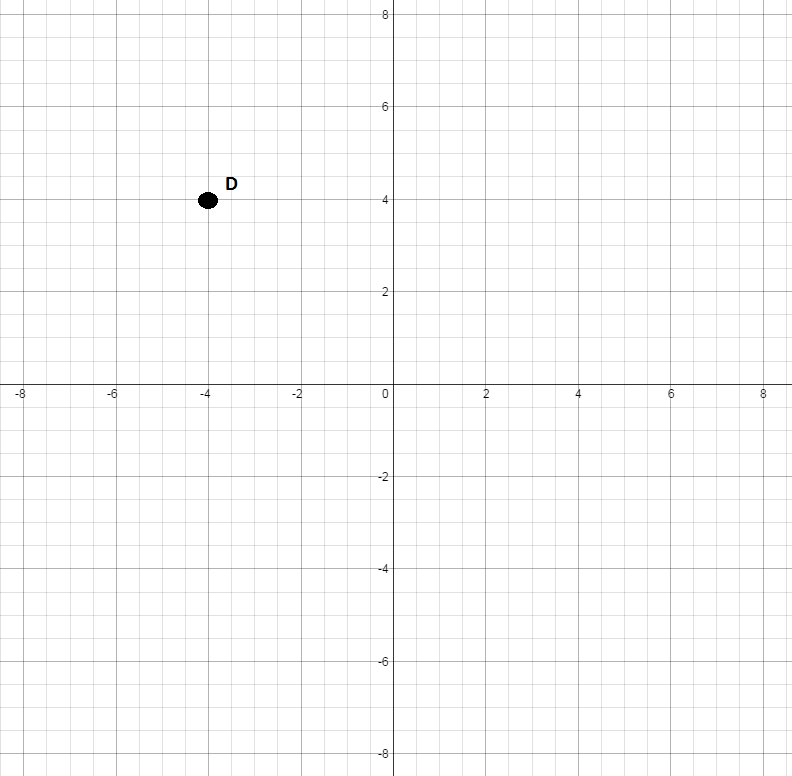
What are the coordinates for point D?
Tap to see back →
Find the x-coordinate by going left on the horizontal x-axis until you come across the line that is directly under the point. The x-coordinate is  .
.
Now, continue up until you reach the point and look across to the vertical y-axis. The y-coordinate is  .
.
 are the coordinates for point D.
Find the x-coordinate by going left on the horizontal x-axis until you come across the line that is directly under the point. The x-coordinate is
Now, continue up until you reach the point and look across to the vertical y-axis. The y-coordinate is
What are the coordinates for point E?
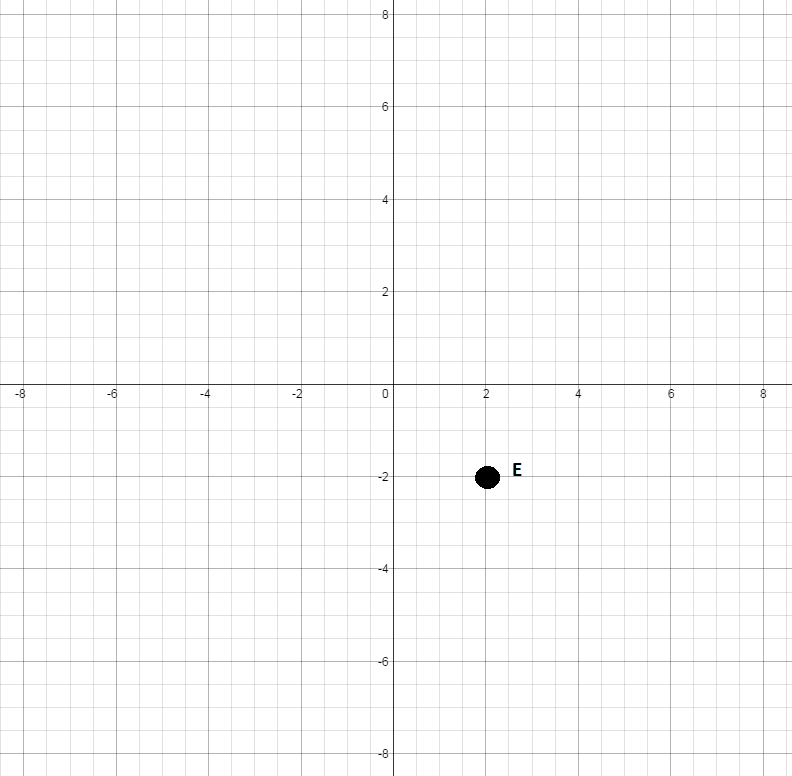
What are the coordinates for point E?
Tap to see back →
Find the x-coordinate by going right on the horizontal x-axis until you come across the line that is directly above the point. The x-coordinate is  .
.
Now, continue down until you reach the point and look across to the vertical y-axis. The y-coordinate is  .
.
 are the coordinates for point E.
Find the x-coordinate by going right on the horizontal x-axis until you come across the line that is directly above the point. The x-coordinate is
Now, continue down until you reach the point and look across to the vertical y-axis. The y-coordinate is
What are the coordinates for point F?
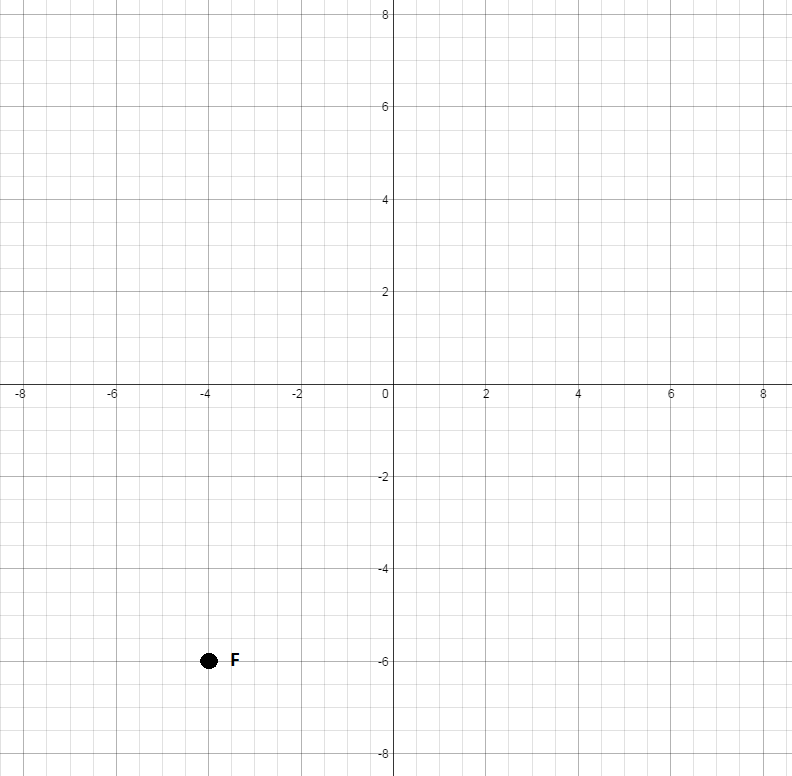
What are the coordinates for point F?
Tap to see back →
Find the x-coordinate by going left on the horizontal x-axis until you come across the line that is directly above the point. The x-coordinate is  .
.
Now, continue down until you reach the point and look across to the vertical y-axis. The y-coordinate is  .
.
 are the coordinates for point F.
Find the x-coordinate by going left on the horizontal x-axis until you come across the line that is directly above the point. The x-coordinate is
Now, continue down until you reach the point and look across to the vertical y-axis. The y-coordinate is
What are the coordinates for point G?
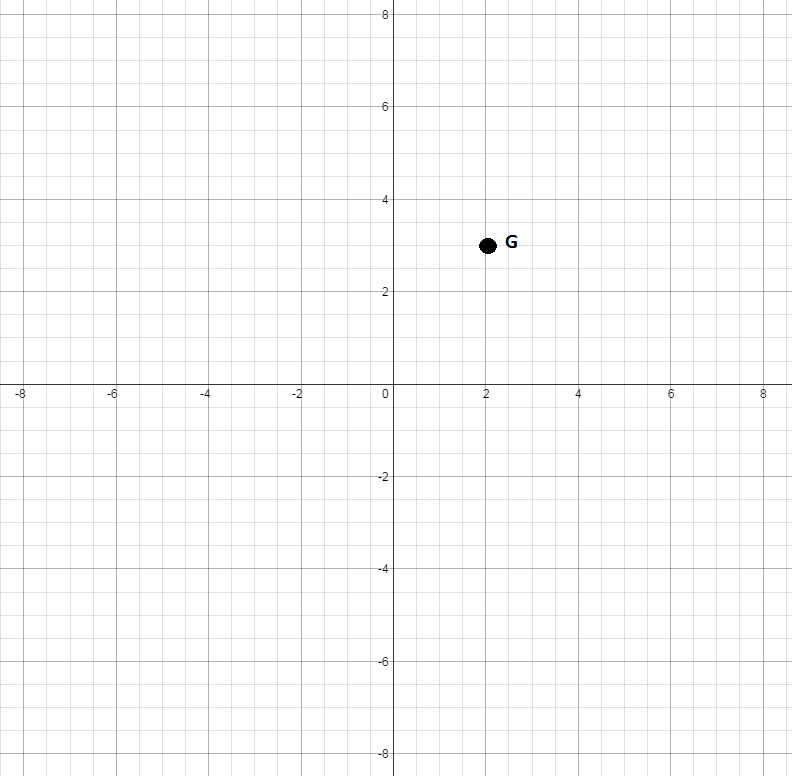
What are the coordinates for point G?
Tap to see back →
Find the x-coordinate by going right on the horizontal x-axis until you come across the line that is directly under the point. The x-coordinate is  .
.
Now, continue up until you reach the point and look across to the vertical y-axis. The y-coordinate is  .
.
 are the coordinates for point G.
Find the x-coordinate by going right on the horizontal x-axis until you come across the line that is directly under the point. The x-coordinate is
Now, continue up until you reach the point and look across to the vertical y-axis. The y-coordinate is
What are the coordinates for point H?
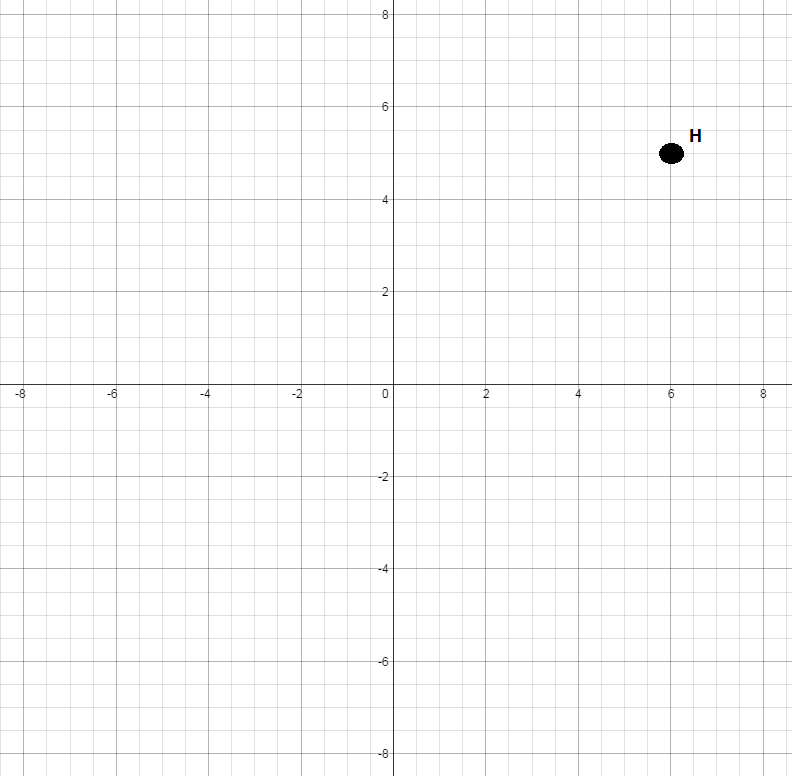
What are the coordinates for point H?
Tap to see back →
Find the x-coordinate by going right on the horizontal x-axis until you come across the line that is directly under the point. The x-coordinate is  .
.
Now, continue up until you reach the point and look across to the vertical y-axis. The y-coordinate is  .
.
 are the coordinates for point H.
Find the x-coordinate by going right on the horizontal x-axis until you come across the line that is directly under the point. The x-coordinate is
Now, continue up until you reach the point and look across to the vertical y-axis. The y-coordinate is
What are the coordinates for point J?
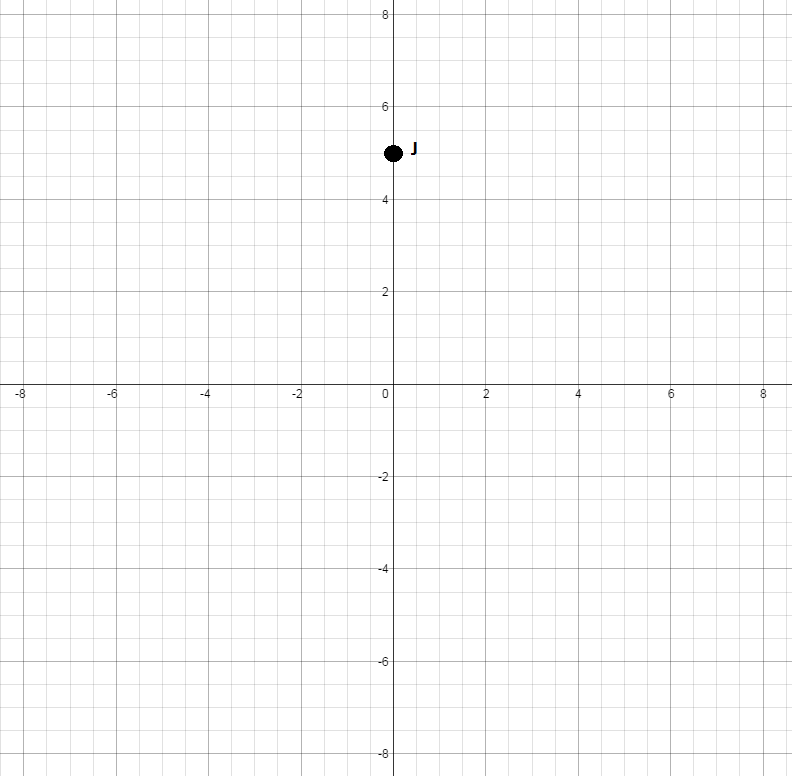
What are the coordinates for point J?
Tap to see back →
Since there is no movement on the x-axis, the x-coordinate is  .
.
Go up the vertical y-axis until you reach the point. The y-coordinate is  .
.
 are the coordinates of point J.
Since there is no movement on the x-axis, the x-coordinate is
Go up the vertical y-axis until you reach the point. The y-coordinate is
What are the coordinates for point K?

What are the coordinates for point K?
Tap to see back →
Find the x-coordinate by going left on the horizontal x-axis until you come across the line that is above the point. The x-coordinate is  .
.
Now, continue down until you reach the point and look across to the vertical y-axis. The y-coordinate is  .
.
 are the coordinates for point K.
Find the x-coordinate by going left on the horizontal x-axis until you come across the line that is above the point. The x-coordinate is
Now, continue down until you reach the point and look across to the vertical y-axis. The y-coordinate is
What are the coordinates for point L?
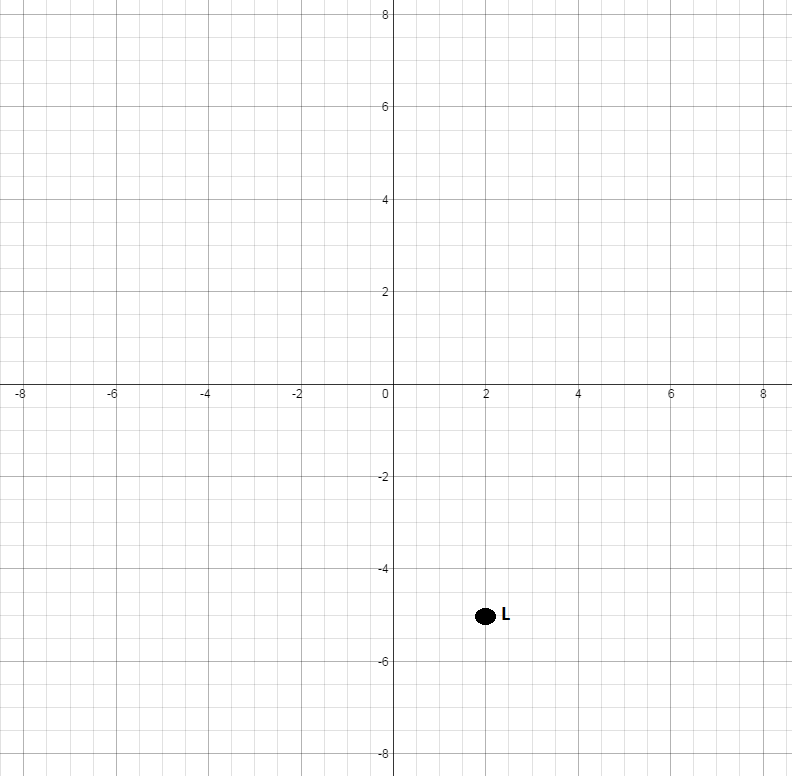
What are the coordinates for point L?
Tap to see back →
Find the x-coordinate by going right on the horizontal x-axis until you come across the line that is directly above the point. The x-coordinate is  .
.
Now, continue down until you reach the point and look across to the vertical y-axis. The y-coordinate is  .
.
 are the coordinates for point L.
Find the x-coordinate by going right on the horizontal x-axis until you come across the line that is directly above the point. The x-coordinate is
Now, continue down until you reach the point and look across to the vertical y-axis. The y-coordinate is
What are the coordinates for point M?

What are the coordinates for point M?
Tap to see back →
Find the x-coordinate by going right on the horizontal x-axis until you come across the line that is directly under the point. The x-coordinate is  .
.
Now, continue up until you reach the point and look across to the vertical y-axis. The y-coordinate is  .
.
 are the coordinates for point M.
Find the x-coordinate by going right on the horizontal x-axis until you come across the line that is directly under the point. The x-coordinate is
Now, continue up until you reach the point and look across to the vertical y-axis. The y-coordinate is
What is the vertex of the function  ?
?
What is the vertex of the function
Tap to see back →


The  -coordinate of the vertex is
  , where
  .
.
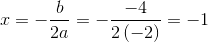
To get the  -coordinate, evaluate
  .
.


The vertex is  .
.
The
To get the
The vertex is
Which point best represents the coordinates  ?
?
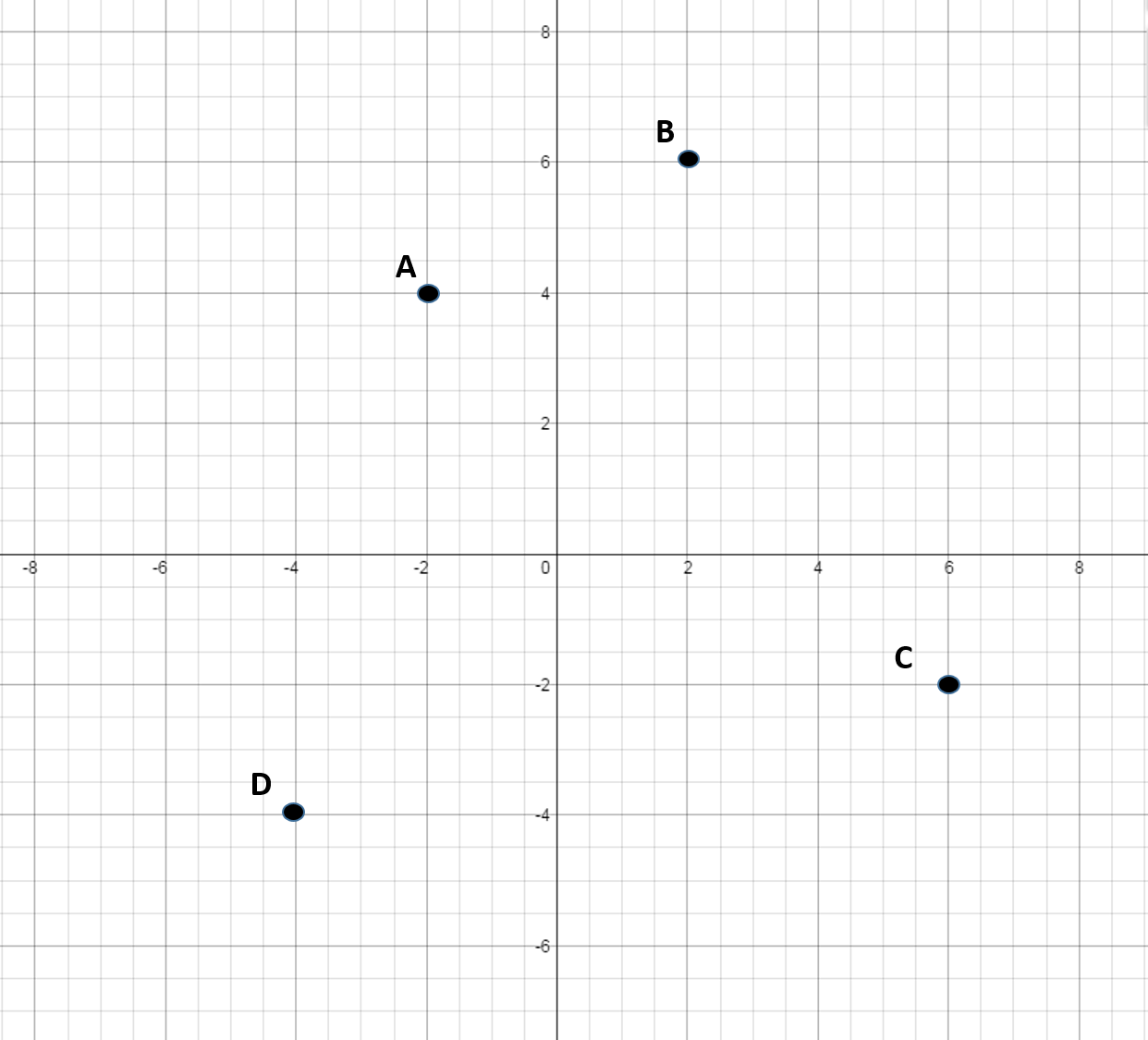
Which point best represents the coordinates
Tap to see back →
The sign in front of each number represents which direction to go on the x or y-axis starting at the origin  . If the number is positive you go right on the x-axis or up on the y-axis. If the sign is negative then you move to the left on the x-axis or down on the y-axis.
To get to  , move left on the x-axis by
  , then move up on the y-axis by
  .
.
The sign in front of each number represents which direction to go on the x or y-axis starting at the origin
To get to
Which point best represents the coordinate  ?
?
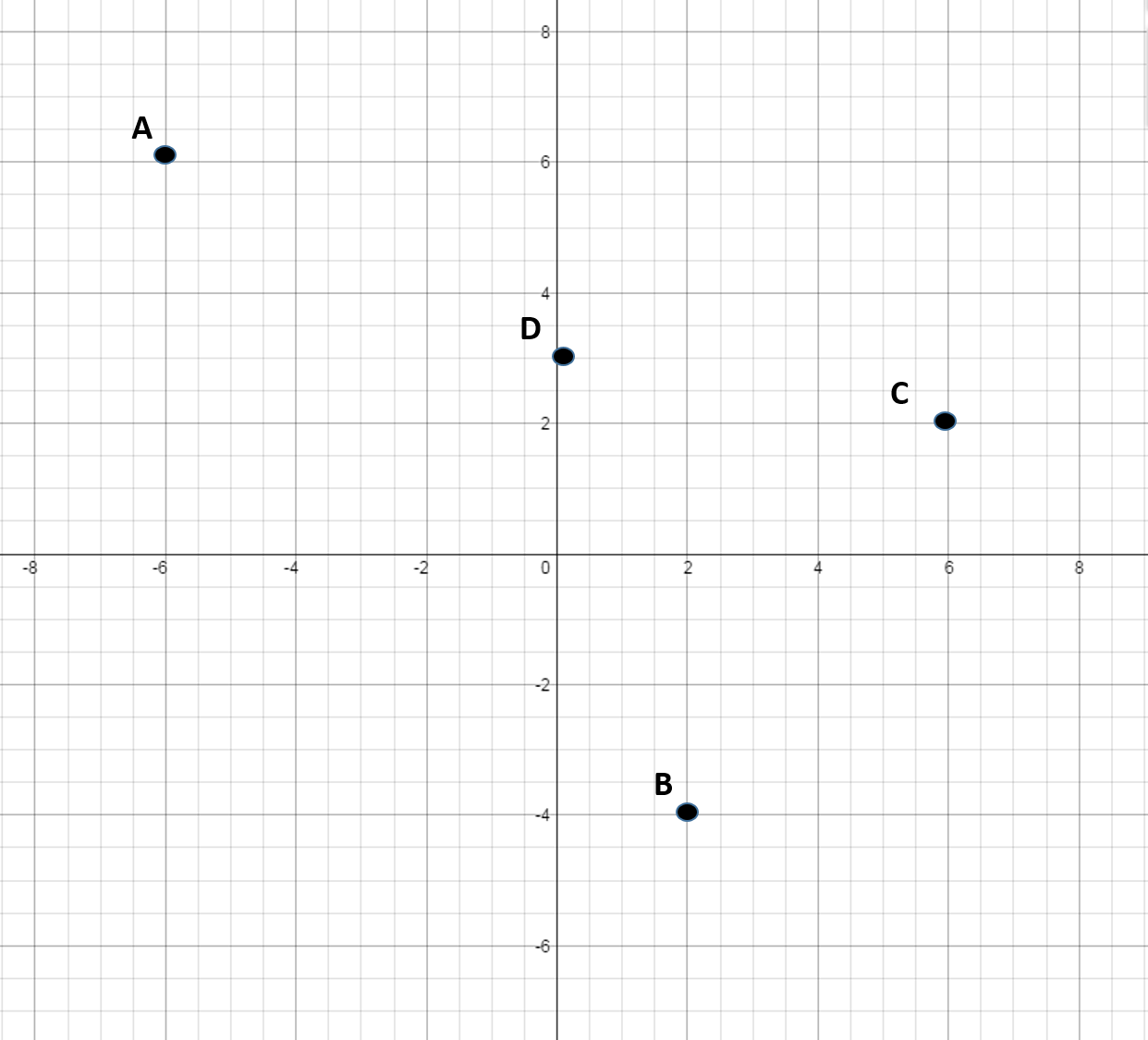
Which point best represents the coordinate
Tap to see back →
The sign in front of each number represents which direction to go on the x or y-axis starting at the origin  . If the number is positive you go right on the x-axis or up on the y-axis. If the sign is negative then you move to the left on the x-axis or down on the y-axis.
To get to  , only move up by
  on the y-axis. Do not move along the x-axis because the x-coordinate is
  .
.
The sign in front of each number represents which direction to go on the x or y-axis starting at the origin
To get to
Which point best represents the coordinate  ?
?
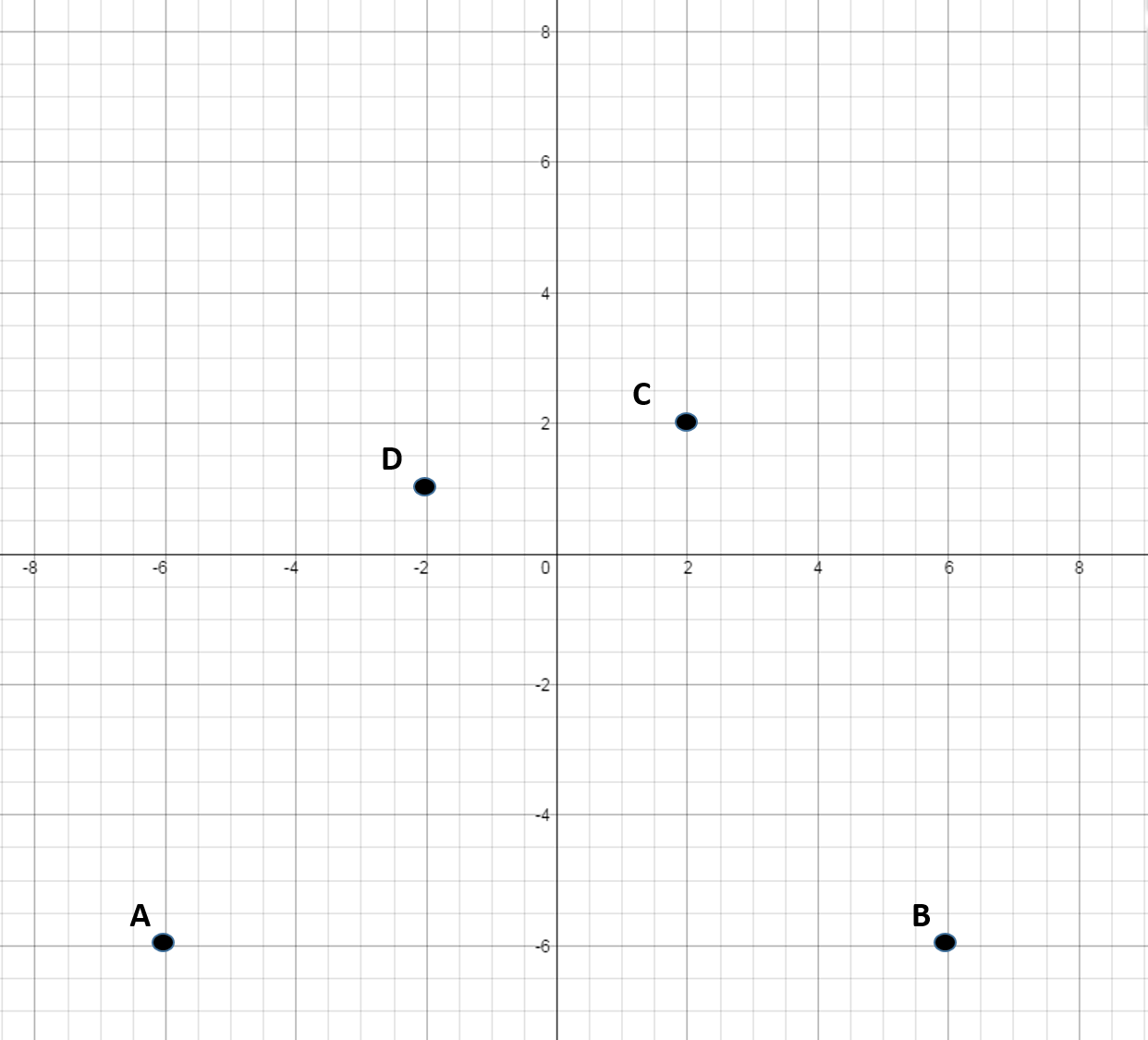
Which point best represents the coordinate
Tap to see back →
To get to  , move right on the x-axis by
  then move up on the y-axis by
  .
.
The sign in front of each number represents which direction to go on the x or y-axis starting at the origin  . If the number is positive you go right on the x-axis or up on the y-axis. If the sign is negative then you move to the left on the x-axis or down on the y-axis.
To get to
The sign in front of each number represents which direction to go on the x or y-axis starting at the origin