Award-Winning Executive Functioning Tutors
serving Denton, TX
Executive Functioning
Tutors in Denton
Private 1-on-1 tutoring, weekly live classes for academic support, test prep & enrichment, practice tests and diagnostics, and more to elevate grades and test scores.
Based on 3.4M Learner Ratings
UniversitiesSchools & Universities
DeliveredHours Delivered
ProficiencyGrowth in Proficiency
Who needs tutoring?
No obligation. Takes ~1 minute.
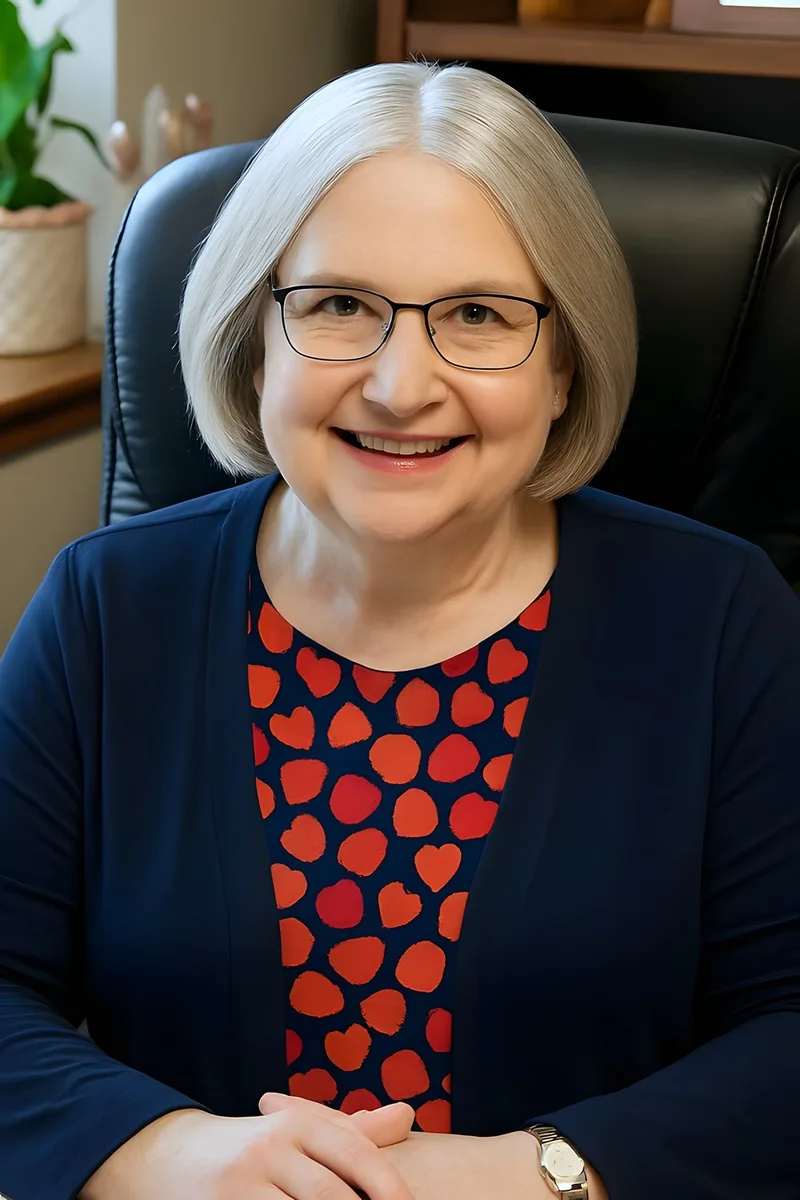
I am a graduate of the University of Pennsylvania with a Masters degree in Education and have been an Elementary and Middle School educator for over thirty years. I have worked with students in the inner city, suburbs, Appalachia, and Deep South. I love teaching and children, and have discovered my passion in tutoring students who are struggling in Reading and Math. I have taught children with learning disabilities to read, and coached students with dyscalculia in math and reading. I worked as a principal for the past eight years, so was working with students from Pre-K to 8th grade, coaching teachers, analyzing data, and tutoring individual students in math and reading. I have worked as a national park ranger in the past, so social studies and history are areas of strength. Students that I teach respond well to my teaching style and enjoy working with me. I believe that education is extremely important for children's futures and do everything that I can to help them be successful.
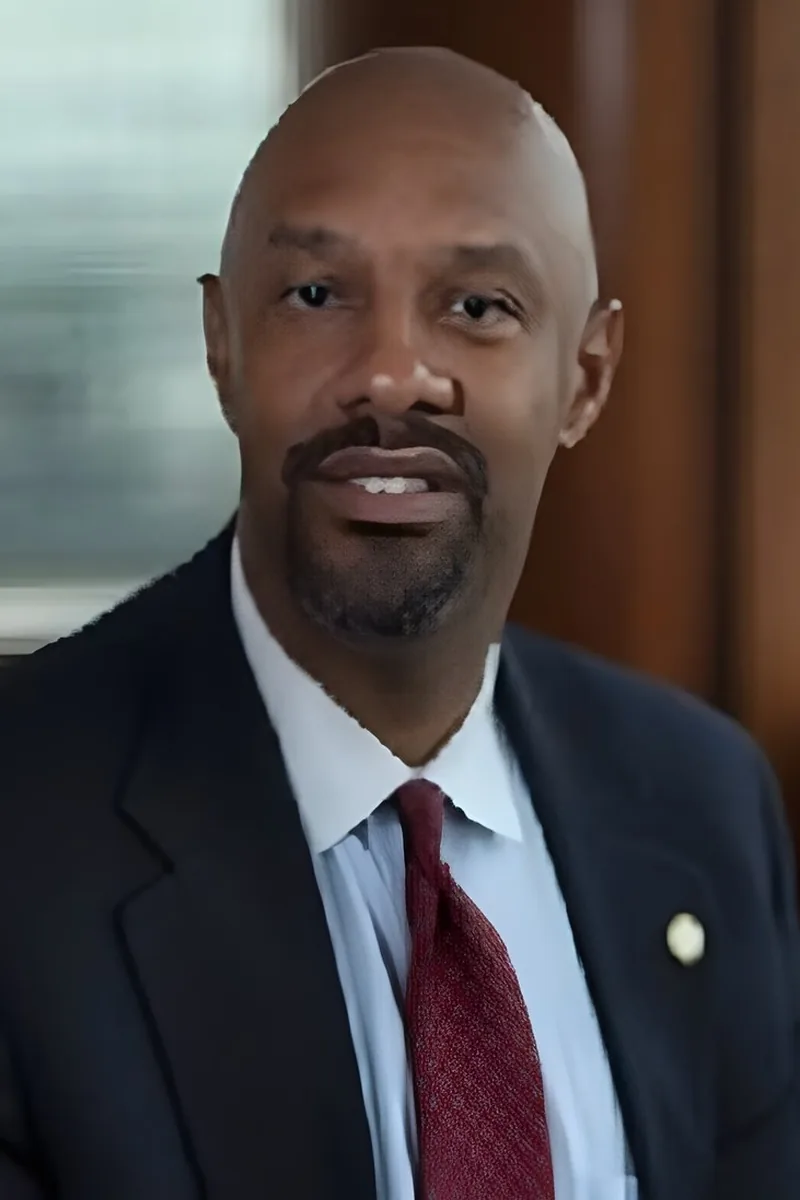
Planning a multi-step project or breaking a semester's worth of material into a weekly study schedule requires the same structured thinking Andrew used throughout his engineering and MBA programs. He teaches students concrete systems for prioritizing tasks, managing time, and organizing materials so that deadlines stop feeling like emergencies. Rated 4.8 by students and families.
Rosie's graduate work in healthcare and her undergraduate finance training both demanded juggling complex, multi-step processes under tight deadlines — skills she now unpacks for students who struggle with planning, time management, and task initiation. She teaches across a wide range of subjects, from math to essay writing, which means she can embed executive functioning strategies directly into the academic work a student is already doing rather than treating them as separate lessons. That cross-subject perspective lets her spot where organizational breakdowns are actually happening and build practical routines around those specific friction points.
Law school is essentially a crash course in executive functioning — Yilin's Juris Doctor required managing simultaneous case briefs, seminar deadlines, and long-term research projects with zero hand-holding. She applies that same structured thinking to teach students how to prioritize competing assignments, catch procrastination patterns before they spiral, and build study workflows that hold up across subjects like math, science, and writing. Rated 5.0 by clients.
The best part of tutoring is promoting students' long-term success through mastery of reading, writing, math, study skills, organization, and critical thinking. In particular, I enjoy helping students build test-taking strategies and core skills for the ACT, SAT, and other admissions tests. I also support pre-K and K-12 students learning math and ELA. Before joining Varsity, I tutored in a Reading and Writing Lab for university students with learning disabilities where I earned a College Reading and Learning Association (CRLA) certification. Since joining Varsity, I have completed continuing education through the Lastinger Center for Learning. I graduated from the University of Arizona in 2021 with a BA in Cultural Anthropology. In addition to tutoring, I have worked as an instructional aide for an art program, an applied anthropology researcher, and a nonprofit program coordinator. Out of all these experiences, I enjoy tutoring the most. I look forward to working with you!
I'm working towards my Bachelors/Masters in Chemical Engineering at the Rochester Institute of Technology, with a special interest in math and physics! I believe that visual demonstrations alongside verbal explanations of material work best for strengthening a students ability to conceptualize material. I have experience tutoring both college and high school students, and I am particularly well-equipped to assist with math, physics, and SAT preparation.
I've helped several hundred students in a wide variety of subjects, from executive functioning to computer science to standardized testing. I also help students with general support in math and English. Most of my students are around 9-17, but I work well with students who are older and a little younger as well. I also work very well with students who have specific obstacles or requirements, such as neurodiversity support or schedules that change a lot. Most of my background is in computer science, from my college major to my experience hands-on over the past 10 years. Regardless of the subject, I believe every student's needs are unique and every student is able to achieve great things with the right preparation and support. My number one goal is to provide that whenever I can, both to the student and to their parents. I communicate with parents outside of sessions a lot to establish their expectations, better understand students, and recommend ways they can directly support their children in their journey as well.
Managing art projects from concept to finished piece — juggling sketches, revisions, material prep, and critique deadlines — forced Laura to develop the exact planning and sequencing skills that executive functioning coaching targets. She teaches students to build visual workflows and concrete routines for breaking down assignments, initiating tasks, and tracking deadlines across subjects, drawing on the same project-management instincts that drive her studio practice. Rated 4.9 by clients.
Jennifer's M.Ed. in Curriculum and Instruction trained her to design structured learning sequences — a skill she now applies to teaching students how to plan multi-step projects, estimate time for assignments, and organize materials across classes. Her experience spanning elementary through college-level work means she calibrates these systems to each student's actual academic demands, building routines around real homework and deadlines rather than abstract exercises. Rated 5.0 by clients.
I have over 20 years of experience in the education field and specialize in ELA for all grade levels including AP/Honors, college, ESL/ELL, special education and test prep. I also enjoy additional subject areas: assisting students with college applications and essay writing/editing, general homework in all subjects, executive functioning and preparing students for entrance exams (private school, ISEE, TEAS, or ELA section of the PSAT/SAT), college applications including essays and college or scholarship interviews. I hold a BA, M.Ed. degrees, certifications in teaching, Academic Coaching, and Tutoring. In addition, I have extensive training on working with students on IEP's or other educational plans. I focus on building skills through customized sessions. Thank you for viewing my profile, I look forward to working with your student!
Balancing a double major in psychology and biology while preparing for medical school forced Karim to build real systems for task prioritization, time blocking, and breaking long-term projects into manageable steps. He teaches those same strategies — planning backwards from deadlines, organizing materials, and self-monitoring progress — so students can manage their own workloads independently.
Hello! My name is Sam Bicking. I am an alumni and student at The University of Pennsylvania studying Pre-health sciences before entering medical school. I have been tutoring for several years with students with disabilities (and amazing students without disabilities).
Testimonials
Because the right Executive Functioning tutor makes all the difference.
Average Session Rating – Based on 3.4M Learner Ratings
Nearby Executive Functioning Tutors
Other Denton Tutors
Frequently Asked Questions
Executive functioning refers to the mental processes that help students plan, organize, manage time, focus attention, and complete tasks—skills that are foundational to academic success. Students with strong executive functioning skills can break down assignments into steps, keep track of deadlines, and stay focused during studying. In Denton's schools, where the average student-teacher ratio is 12.1:1, students often need to manage multiple responsibilities independently, making executive functioning skills essential for keeping up with coursework and reducing stress.
Many students struggle with organization (losing assignments or materials), time management (procrastination or underestimating how long tasks take), working memory (holding multiple pieces of information in mind), and task initiation (getting started on homework or projects). Others have difficulty with planning complex assignments, prioritizing among competing deadlines, or shifting between different types of tasks. These challenges often show up as missed deadlines, incomplete work, or difficulty studying effectively—even when students understand the material.
Personalized 1-on-1 instruction allows tutors to assess your specific executive functioning gaps and create targeted strategies tailored to how you learn best. Rather than applying one-size-fits-all systems, a tutor can work with you to build organizational systems, develop study routines, and practice planning skills in real time with immediate feedback. This focused approach means you're not just learning content—you're actively building the executive functioning skills that will help you succeed across all your classes.
Yes, executive functioning needs evolve significantly as students progress. Middle school students typically benefit from concrete systems like checklists, color-coded folders, and structured daily routines, while high school students often need strategies for managing larger projects, multiple classes with different teachers, and longer-term planning. High schoolers also benefit from metacognitive skills—understanding how they learn best and adjusting their approach accordingly. Tutors can adjust strategies based on your grade level and the specific demands you're facing.
During the first session, a tutor will typically ask about your current challenges—what's hardest for you (staying organized, starting tasks, managing time), when problems show up most, and what you've already tried. They'll observe how you approach a task or problem to identify where your executive functioning breaks down. From there, they'll work with you to create an initial plan, which might include organizing your materials, setting up a planning system, or practicing a specific strategy. This foundation helps the tutor tailor future sessions to your needs.
Look for concrete changes like completing assignments on time, keeping track of deadlines without reminders, organizing materials more effectively, or starting homework without procrastinating. You might also notice improved grades as a result of better organization and studying, less stress around schoolwork, and more independence in managing your responsibilities. A good tutor will help you set specific, measurable goals at the start and check progress regularly—so you'll have clear evidence of improvement, not just a feeling that things are better.
Varsity Tutors connects you with expert tutors who specialize in executive functioning and understand the specific needs of students in Denton. You'll share information about your challenges, grade level, and what you're hoping to improve, and we'll match you with a tutor whose expertise and teaching style fit your needs. The process is straightforward, and you can get started quickly—most students connect with their tutor within days.
Absolutely. The skills you build—planning, organizing, managing time, and breaking down complex tasks—apply to everything from sports and extracurriculars to part-time jobs and college preparation. Students who develop strong executive functioning are better equipped to handle the increased independence of high school and college, manage multiple commitments, and succeed in their careers. These are life skills that pay dividends well beyond the classroom.
Let’s find your perfect tutor
Answer a few quick questions. We’ll recommend the right plan and match you with a top 5% tutor.