Award-Winning AP Environmental Science Tutors
serving Brooklyn, NY
AP Environmental Science
Tutors in Brooklyn
Private 1-on-1 tutoring, weekly live classes for academic support, test prep & enrichment, practice tests and diagnostics, and more to elevate grades and test scores.
Based on 3.4M Learner Ratings
UniversitiesSchools & Universities
DeliveredHours Delivered
ProficiencyGrowth in Proficiency
Who needs tutoring?
No obligation. Takes ~1 minute.
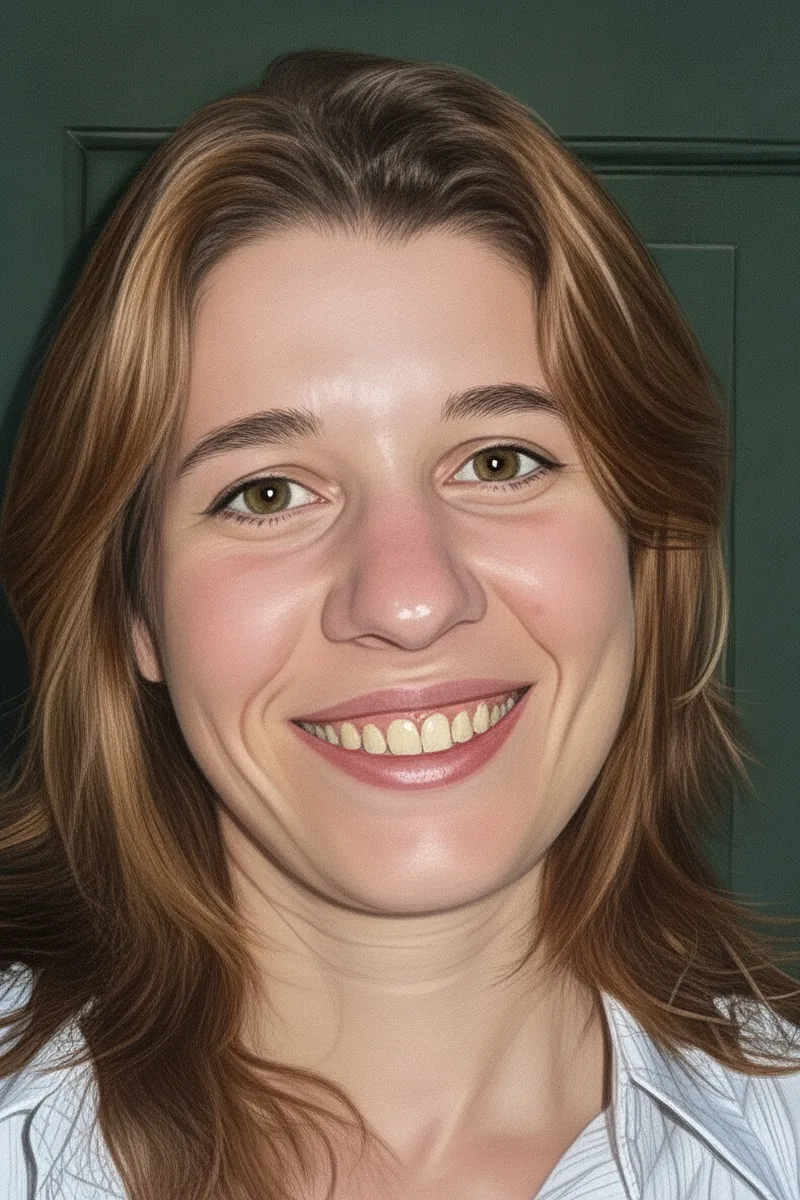
Three years teaching high school biology in New Jersey gave Sasha firsthand experience with how students struggle to connect classroom ecology — food webs, nutrient cycles, population growth models — to the real-world environmental issues APES actually tests. Her science education master's means she designs lessons around those sticking points, breaking down how a concept like eutrophication links biological mechanisms to human causes to policy solutions in exactly the layered way the exam's free-response rubrics demand. She scored a 1550 on the SAT, so the data-interpretation and quantitative reasoning portions of the exam are well within her wheelhouse too.
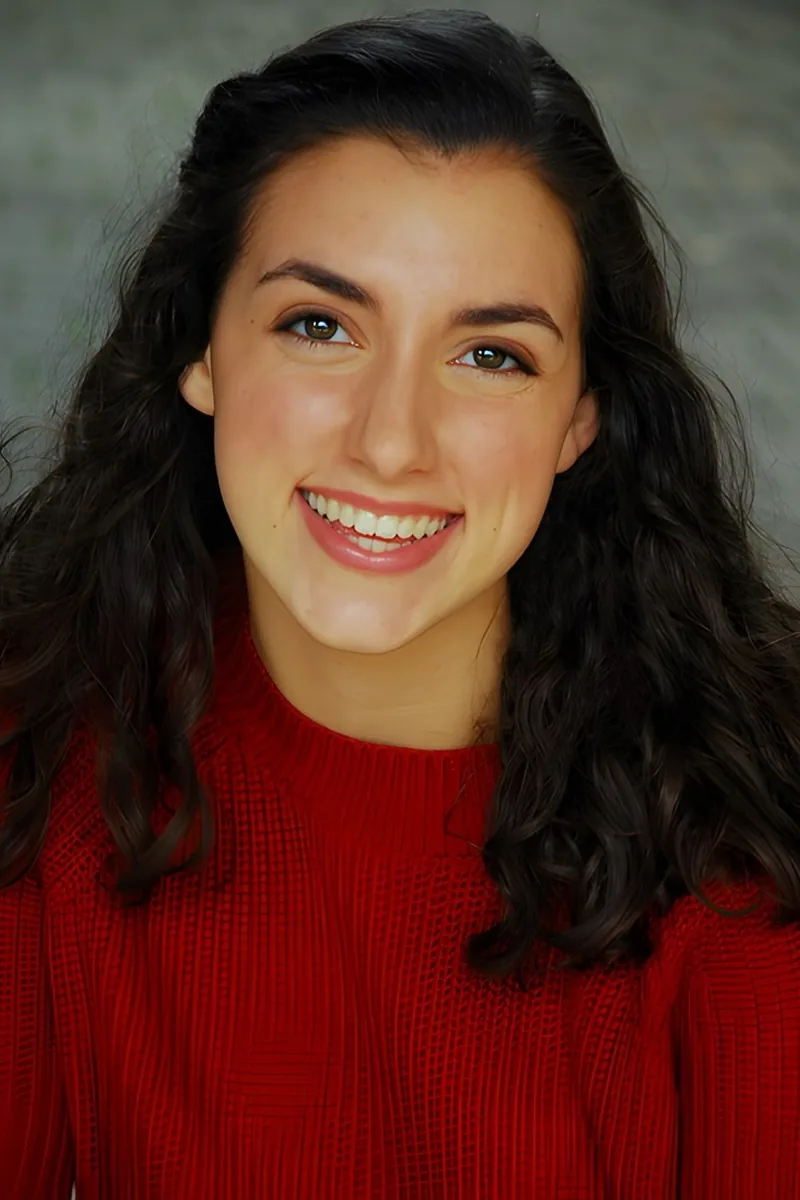
Theater training builds an unexpected skill for APES: the ability to trace how one action ripples outward through an entire system — a narrative instinct Savannah applies to teaching cause-and-effect chains like how agricultural runoff triggers eutrophication or how deforestation feeds back into regional climate shifts. Her 34 ACT reflects sharp analytical reading skills she brings to the data-interpretation and graph-heavy questions that dominate the exam. Rated 4.9 by students.
Premed coursework in human biology builds an intuitive grasp of the biological systems that APES questions test — nutrient cycling, population growth models, and the health consequences of environmental degradation aren't abstract concepts for Sharan, they're threads running through his own studies at Cornell. He scored a 36 on the ACT, and that same precision with data shows up in how he teaches students to work through the math-based questions on ecological footprints and resource consumption that the exam buries between the conceptual material. Rated 5.0 by students.
Eric's degree in Ecology & Evolutionary Biology means he studied the actual science behind APES — population ecology, species interactions, and ecosystem-level processes — not just the survey-course version. He teaches students to think about environmental problems the way an ecologist would, tracing how a disturbance like deforestation or nutrient loading ripples through trophic levels and feedback loops until the full picture clicks.
Cognitive science trains you to think in systems — how inputs, feedback loops, and cascading effects connect across complex networks — which maps surprisingly well onto APES topics like biogeochemical cycles, ecosystem disruption, and human-environment feedback. Zachary applies that systems-thinking lens to help students trace cause-and-effect chains across units, which is the skill that separates 3s from 5s on the free-response section. He scored a 32 on the ACT and carries a 4.8 tutoring rating.
What sets APES apart from most AP exams is how much it rewards interdisciplinary thinking — linking ecology to policy, economics to resource depletion, human behavior to environmental degradation. Rachel's background spans history, writing, and the humanities, which makes her particularly effective at coaching the argument-style free-response questions where students must weave evidence into structured, persuasive explanations of environmental trade-offs. Rated 5.0 by students.
Kiera is majoring in Ecology and Evolutionary Biology at Dartmouth, which means she's studying biodiversity, population dynamics, and ecosystem interactions at a level well beyond what the APES exam requires — and her engineering modification adds the quantitative rigor needed for calculations like energy transfer efficiency and ecological footprint math. She scored a 35 on the ACT and holds a 5.0 tutoring rating, bringing that same precision to the data-analysis and experimental-design questions that make up the bulk of the free-response section.
Computer science at UCLA might not scream environmental science, but David's training in modeling complex systems and analyzing large datasets maps directly onto APES topics like climate feedback loops, population modeling, and resource depletion calculations. He tackles the quantitative side of the exam — unit conversions, energy math, experimental design — with the algorithmic precision of a software engineer, which is exactly what the data-heavy free-response questions demand. Rated 4.8 by students.
Chellam earned her Environmental Science degree from UC Berkeley with a biological science concentration, which means AP Environmental Science isn't a subject she studied once — it was her entire academic focus. She breaks down everything from biogeochemical cycles to environmental policy analysis with the depth of someone who's done the fieldwork and the lab work behind the textbook diagrams.
Primary care medicine means Kellyann sees the downstream effects of environmental problems daily — asthma exacerbated by air quality, waterborne pathogens, the health toll of industrial pollutants — which gives her a clinical lens on APES units covering pollution, toxicology, and human impact that pure ecology tutors often lack. She pairs that real-world perspective with nine years of science tutoring experience and a 4.9 rating, teaching students to trace environmental causes through biological systems the way a clinician would during a differential diagnosis.
Most students walk into APES expecting pure memorization and get blindsided by free-response questions that demand structured, argumentative writing — and that's where Jennifer's journalism master's and rhetoric training give her an edge few science tutors can match. She coaches students to build clear, evidence-driven FRQ answers that connect environmental causes to consequences in the precise format the rubric rewards. Rated 5.0 by students.
Alexandra's Penn State degree is literally in Environmental Resource Management, with additional training in watershed science and wildlife ecology — the exact content tested on the AP Environmental Science exam. She digs into FRQ strategies for topics like biogeochemical cycles, biodiversity loss, and water pollution, connecting each concept to fieldwork and case studies she encountered firsthand during her program.
Katie holds a master's in science education and a bachelor's in natural resources and conservation — meaning she didn't just study APES topics like land use, biodiversity, and resource management as exam content; they were her actual field of study. She teaches students to think in cause-and-effect chains across units, connecting deforestation to soil erosion to water quality decline, which is exactly the kind of multi-step reasoning the free-response rubrics reward. Rated 5.0 by students.
Most APES tutors come at the subject from biology or policy — Courage holds a Master's in Environmental Science, meaning he studied climate systems, land degradation, and resource management as his primary discipline, not a sidebar. He digs into the interconnections between Earth systems that the exam's free-response questions demand, teaching students to trace how a single disruption — deforestation, nutrient runoff, atmospheric CO₂ increases — ripples across multiple units.
Most APES students can memorize vocabulary lists but freeze when a free-response question asks them to explain how a neurotoxin moves through a food web or why bioaccumulation affects top predators disproportionately — Jhonatan's neuroscience specialization means he actually understands those biological mechanisms at the molecular level. He teaches students to trace environmental disruptions through living systems rather than treating each unit as isolated content, which is the connective thinking the exam scores highest. Rated 5.0 by students.
Scott earned his Master's in Ecology studying exactly the systems the AP Environmental Science exam tests — biogeochemical cycles, biodiversity loss, population dynamics, and resource management. He breaks down free-response questions by teaching students to connect data interpretation with the underlying ecological principles, which is where most points are won or lost on exam day.
Geophysics sits at the intersection of earth systems and physical processes — so when Derrick teaches APES topics like plate tectonics, soil formation, or how geological activity shapes resource distribution, he's drawing on coursework that goes well beyond the AP curriculum. He also brings strong math and physics chops to the quantitative side of the exam, tackling energy budget calculations and atmospheric modeling problems that pure memorization won't solve. Rated 5.0 by students.
Studying Human Biology at Stanford with a concentration in health policy gives Jake a direct line into the APES units on public health, pollution, and environmental legislation — he understands how ecological disruptions translate into real human consequences, which is exactly the kind of reasoning the free-response section rewards. His 34 ACT and 5.0 tutoring rating back up an approach that emphasizes connecting biological systems to their policy implications rather than treating each unit as isolated material.
A history and political science background turns out to be a real asset for the APES units on environmental legislation, resource policy, and the human-systems questions that dominate the free-response section — Andrew can explain why the Clean Air Act matters in both a political and ecological context. He also tutors across math and science, so he's comfortable walking through the quantitative problems like resource depletion rates and energy calculations that trip up students who expected a purely memorization-based course.
Hello, students! My name is Pranav, and I'm so excited to be tutoring with Varsity Tutors. I have vast experience tutoring both personally and professionally; I've held officer positions in several nonprofit organizations, including STEMpals and The Do Re Mi Project, teaching courses ranging from biology to music theory. I took 16 AP courses throughout high school with all 5s, and I earned a 1570 on my SAT, so I'm pretty familiar with the majority of academic subjects! I have experience tutoring any and all skill levels, and I'm always open to expanding my horizons, so please don't hesitate to book your first lesson. I'm looking forward to meeting with you!
Gordon's biology degree from Arizona State and his Teach for America experience mean he's taught environmental science concepts to students with wildly different starting points — from kids encountering food webs for the first time to premed undergrads already comfortable with biochemical cycles. That range sharpened his ability to adjust explanations on the fly, which pays off on APES units like global water resources and soil degradation where students need to toggle between memorized vocabulary and applied problem-solving within the same free-response question.
Before she ever tutored APES, Jenna was on the other side — she used tutoring herself in high school to push through tough coursework and earned a 31 ACT and full-tuition scholarship along the way. That experience gives her a sharp read on where students get stuck, especially on the policy and legislation units where environmental science intersects with the kind of big-picture cause-and-effect reasoning she sharpened across her humanities and writing coursework. Rated 4.9 by students.
Having spent a year as a climate change researcher at the University of Helsinki — where she completed PhD-level atmospheric science coursework — Marika brings firsthand lab and field experience to AP Environmental Science. She digs into biogeochemical cycles, energy flow, and climate modeling with the depth the AP exam demands, connecting FRQ strategies to the actual science behind each topic.
Creative writing isn't the obvious path to APES, but Sydney's strength is in the skill most students neglect: constructing clear, evidence-driven free-response answers that earn full credit instead of rambling through half-remembered vocabulary. Her 35 ACT and 1600 SAT reflect the kind of analytical reading ability that translates directly to interpreting experimental designs and data sets on the exam. Rated 4.9 by students.
Testimonials
Because the right AP Environmental Science tutor makes all the difference.
Average Session Rating – Based on 3.4M Learner Ratings
Practice AP Environmental Science
Free practice tests, flashcards, and AI tutoring for AP Environmental Science
Nearby AP Environmental Science Tutors
Other Brooklyn Tutors
Related Science Tutors in Brooklyn
Frequently Asked Questions
AP Environmental Science covers eight major units: Earth Systems and Resources, The Living World, Population, Earth Systems and Resources, Land and Water Use, Energy Resources and Consumption, Pollution, Global Change, and Interactions Between Earth Systems and Organisms. The exam integrates chemistry, biology, geology, and ecology concepts, which can feel overwhelming without structured guidance.
Personalized 1-on-1 instruction helps you build connections between these topics, understand which concepts appear most frequently on the exam, and develop strategies for the data analysis and free-response questions that challenge many students. Tutors can focus on your specific weak areas rather than generic review of all eight units.
Score improvement depends on your starting point and commitment level. Students who work with tutors typically see gains by clarifying misconceptions, improving their ability to interpret graphs and data sets, and practicing free-response questions under timed conditions. Many students struggle with the multiple-choice section's reading comprehension and the FRQ section's calculation components—targeted practice in these areas often yields meaningful improvements.
The most realistic expectation is that personalized tutoring helps you identify exactly where you're losing points, whether that's data interpretation, vocabulary precision, or time management—then gives you focused practice to address those gaps before test day.
Brooklyn students often struggle with three main areas: (1) integrating knowledge across disciplines—the exam expects you to apply chemistry to pollution problems, biology to population dynamics, and geology to earth systems simultaneously; (2) interpreting complex graphs, data tables, and calculations under time pressure; and (3) writing clear, quantitative free-response answers that explain both the "what" and the "why."
Many students also underestimate the breadth of content and try to cram rather than spacing their study over weeks. Expert tutors help you build a study schedule that prevents this, break down interdisciplinary connections into digestible pieces, and provide targeted practice with the exact question formats you'll see on test day.
Practice tests should be used strategically, not just as a final check. Start with diagnostic practice on individual units to identify which topics need the most attention—this guides your study plan. Mid-preparation, take full-length practice tests under timed conditions to build stamina and pinpoint persistent weak areas. In the final weeks, use targeted section practice (like multiple choice only or FRQ drills) to refine skills you've already worked on.
A tutor can help you analyze each practice test to extract specific lessons: Are you running out of time? Missing calculation questions? Struggling with certain unit's vocabulary? This data-driven approach to practice is far more effective than simply taking tests and moving on, and it builds confidence by showing measurable progress toward your score goal.
Look for a tutor who understands the AP Environmental Science exam's specific format and challenges, not just someone with general science knowledge. They should be able to explain how topics connect across units (since the exam tests integrated knowledge), provide current practice materials aligned with the College Board's latest curriculum framework, and understand which questions trip up Brooklyn students most frequently.
Varsity Tutors connects you with expert tutors who have proven success teaching AP Environmental Science. They can customize study plans based on your diagnostic results, teach test-taking strategies specific to APES (like how to approach data interpretation under time pressure), and help you build genuine understanding rather than memorization—which is what earns top scores on this exam.
The AP Environmental Science exam is 3 hours long: 90 minutes for 80 multiple-choice questions and 90 minutes for 3 free-response questions. Many students lose points by spending too much time on difficult multiple-choice questions or not leaving enough time for the FRQs, which are worth 40% of your score.
Effective timing strategies include: spending roughly 1 minute per multiple-choice question (leaving buffer for harder ones), reading all three FRQs before starting to prioritize, and allocating 20-25 minutes per FRQ depending on length. A tutor can help you practice these timing benchmarks with full-length practice tests, identify which question types slow you down, and develop personalized strategies to maximize points in your remaining prep time.
FRQs are where many students lose points because they require both accurate content knowledge and clear written communication. These questions typically ask you to calculate environmental impacts, interpret data, propose solutions, or explain processes—often combining multiple skills in one question.
Effective FRQ preparation involves: studying released College Board FRQ rubrics to understand exactly what scores each response level, practicing full written responses (not just thinking through answers), getting feedback on your explanations, and learning how to structure quantitative answers with proper units and significant figures. Personalized tutoring is particularly valuable here because a tutor can review your specific responses, show you exactly where you're losing points on the rubric, and help you refine your approach before test day.
Let’s find your perfect tutor
Answer a few quick questions. We’ll recommend the right plan and match you with a top 5% tutor.