Award-Winning AP Spanish Language & Culture Tutors
serving Detroit, MI
AP Spanish Language & Culture
Tutors in Detroit
Private 1-on-1 tutoring, weekly live classes for academic support, test prep & enrichment, practice tests and diagnostics, and more to elevate grades and test scores.
Based on 3.4M Learner Ratings
UniversitiesSchools & Universities
DeliveredHours Delivered
ProficiencyGrowth in Proficiency
Who needs tutoring?
No obligation. Takes ~1 minute.
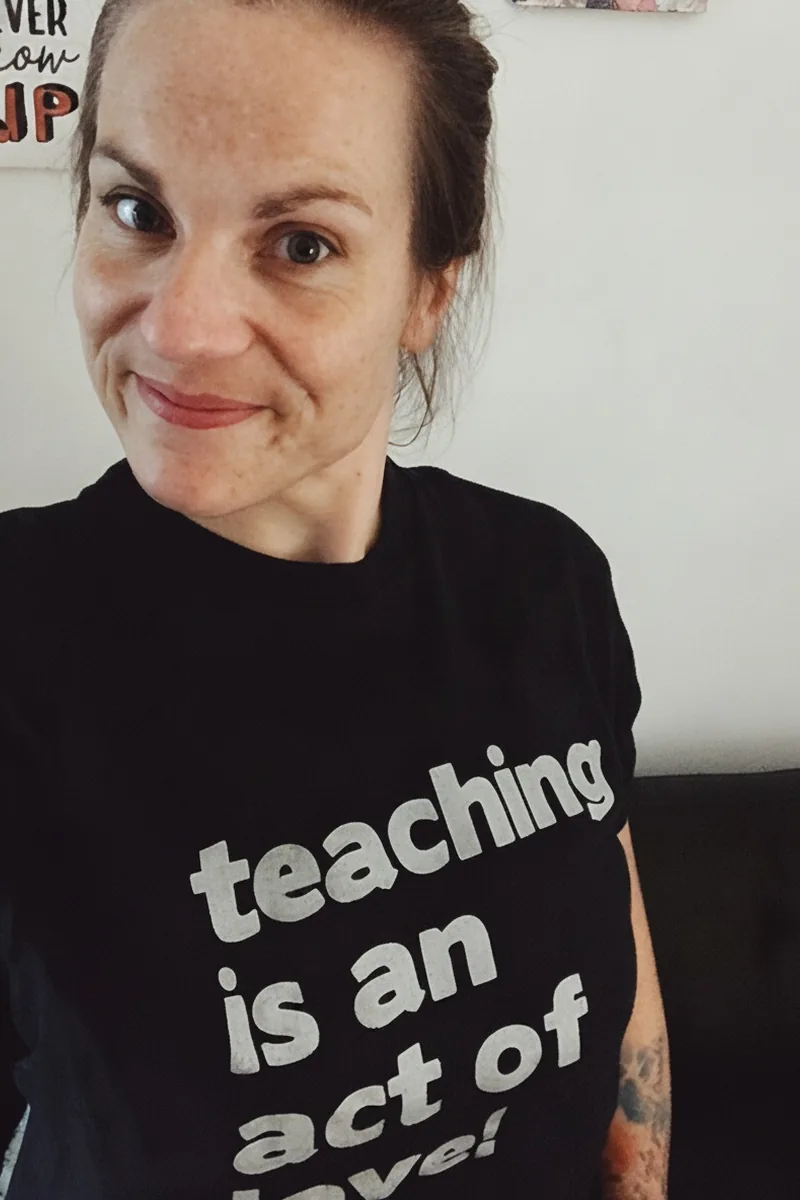
Nicole's linguistics degree means she understands how languages work as systems — the morphology, syntax, and pragmatics underneath Spanish that most tutors teach purely by repetition. She applies that structural knowledge to the AP exam's trickiest moments, like shifting between informal and formal register mid-task or decoding rapid authentic audio in the interpretive listening section. Her Italian heritage and fluency in multiple Romance languages sharpen her ear for the cognate traps and dialectal variations the exam loves to test.
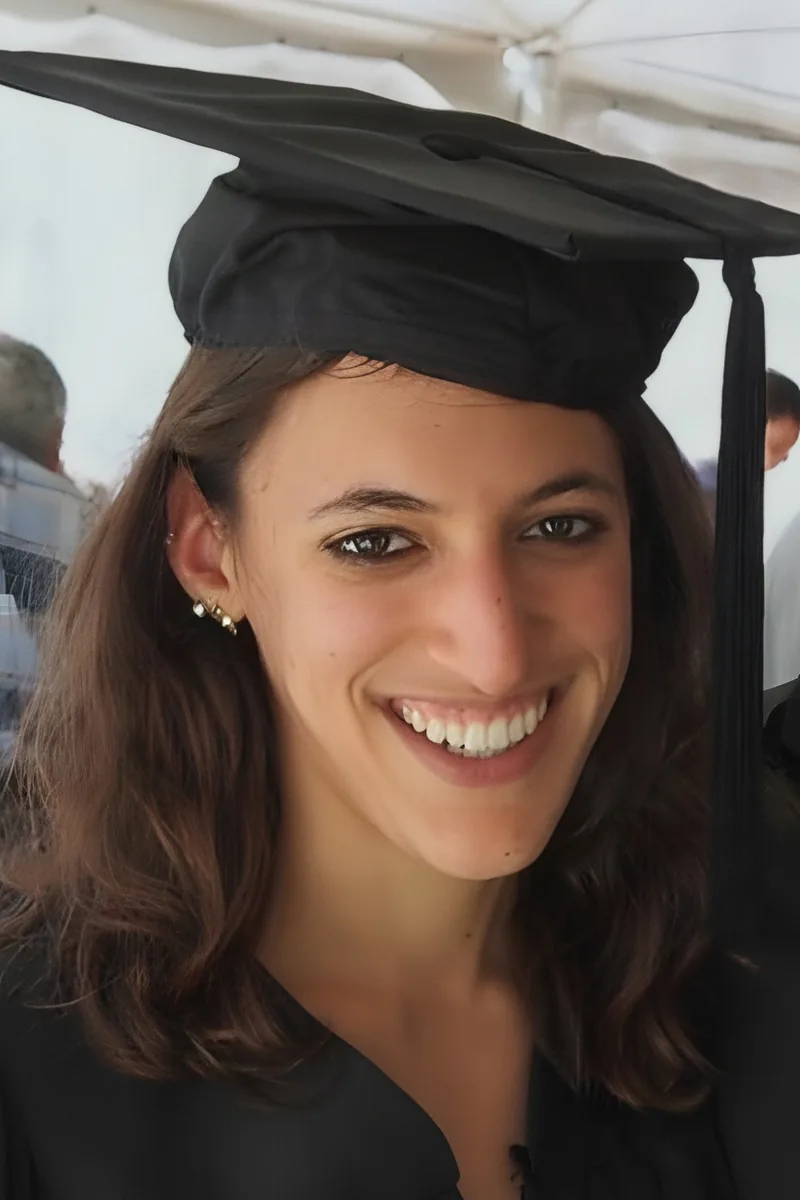
Rebekah's Geology-Biology degree from Brown isn't an obvious path to AP Spanish — but she teaches Spanish across all four levels plus conversational and both SAT Spanish Subject Tests, which signals genuine command of the language well beyond casual fluency. She tackles the exam's interpersonal speaking and interpretive listening sections by training students to process Spanish at natural speed, building the kind of real-time comprehension that no amount of grammar drilling alone can produce. Rated 5.0 by students.
John's anthropology degree means he's trained to analyze how cultural practices vary across communities — the exact thinking the AP Spanish exam's cultural comparison prompt rewards. He also teaches French alongside Spanish, so he understands how Romance language learners trip over false cognates and register shifts, and he uses that cross-linguistic awareness to sharpen students' interpretive reading and persuasive essay skills. Rated 5.0 by students.
Gus teaches Spanish across all four levels plus conversational Spanish, and his History degree means he's already wired to think about how cultural contexts shape language — a skill that directly feeds the AP exam's cultural comparison free-response. He approaches the interpersonal speaking and listening tasks by turning grammar patterns into narrative logic, making subjunctive triggers and register shifts stick the way a good story does rather than a conjugation chart.
Speaking five languages — Gujarati, Hindi, Spanish, Arabic, and French — gives Sahar an intuitive grasp of how Spanish grammar and idiomatic expression actually work in conversation, not just on paper. She digs into the interpersonal and presentational communication modes the AP exam tests, from crafting persuasive essays with proper subjunctive usage to navigating audio sources on cultural topics. Rated 5.0 by students.
Success on the AP Spanish Language exam comes down to thinking in Spanish — not translating from English in your head. Iris builds this fluency by connecting language practice to real cultural content: interpreting audio sources, writing persuasive emails, and constructing spoken presentations on topics like science, community, and global challenges. Her background in anthropology also gives her a genuine comfort with the cultural comparison tasks the exam emphasizes.
The AP Spanish Language & Culture exam demands more than vocabulary — it requires constructing persuasive arguments in Spanish and interpreting authentic audio sources on the fly. Isabelle's multilingual background and experience as a private language tutor abroad give her practical fluency in coaching students through the interpersonal speaking tasks and cultural comparison essays that determine exam scores.
Native fluency changes everything in AP Spanish Language & Culture. Alex grew up speaking, reading, and writing Spanish at home, and his bilingual background means he can explain grammar from the inside — why the subjunctive feels natural in certain contexts, how register shifts between formal and informal speech, and what authentic source material actually sounds like. His English degree also sharpens the presentational writing and speaking skills the exam demands.
Joshua teaches Spanish from level 1 through AP and pairs that with four levels of Latin, so he's used to thinking about how Romance languages borrow structures from their classical roots — a perspective that sharpens his explanations of tricky Spanish grammar like subjunctive triggers and conditional sequences. His 1600 SAT reflects the kind of precise reading and analytical writing skills that translate directly to the AP exam's source-synthesis and persuasive essay tasks.
Hillel's geology research on Antarctic ice sheet dynamics — conducted partly through Spanish-language scientific literature — gives him a practical connection to the formal register and academic vocabulary the AP exam's persuasive essay demands. He also teaches conversational Spanish and Hebrew, so he's comfortable switching between languages and coaching students through the interpersonal speaking tasks where real-time fluency matters most. Rated 5.0 by students.
Growing up bilingual with dual US-Chilean citizenship, Camilla didn't just learn Spanish at home — she pursued it academically through advanced language and literature coursework. For AP Spanish Language & Culture, she tackles the presentational writing and interpersonal speaking tasks by grounding students in the cultural contexts that make their responses authentic and nuanced.
Growing up in Miami gave Caitlin daily exposure to Spanish in real-world contexts — the kind of authentic, unscripted language that mirrors what the AP exam throws at students in its interpretive listening and reading sections. She teaches Spanish 1 through 4 and pairs that progression with her own experience navigating Spanish across levels, so she knows exactly which grammar gaps (subjunctive triggers, formal vs. informal register) trip students up on timed free-response tasks. Rated 5.0 by students.
Richard earned the highest scores on the AP Spanish exam with listening after double-majoring in Spanish at Emory and studying in Spain. He tackles the presentational writing and interpersonal speaking tasks by drilling the idiomatic expressions, subjunctive constructions, and cultural references that push students from competent into the 4–5 scoring range.
Pursuing a language citation in Spanish at Harvard while studying African American Studies, Gabriela tackles the AP exam's cultural comparison task with a cross-cultural analytical instinct baked into her daily coursework. She teaches Spanish from level 1 through 4 and conversational Spanish, so she can zero in on whether a student needs to shore up subjunctive mechanics or sharpen their ability to construct a timed persuasive essay in formal register. Rated 5.0 by students.
Testimonials
Because the right AP Spanish Language & Culture tutor makes all the difference.
Average Session Rating – Based on 3.4M Learner Ratings
Other Detroit Tutors
Related Languages Tutors in Detroit
Frequently Asked Questions
The AP Spanish Language & Culture exam tests your ability to communicate in Spanish across three modes: interpersonal (conversations), interpretive (reading and listening comprehension), and presentational (writing and speaking). The exam includes multiple-choice sections on reading and listening, plus free-response sections where you'll write emails, essays, and record spoken responses. Success requires not just grammar knowledge, but cultural understanding and the ability to express complex ideas in Spanish.
AP scores range from 1-5, with 3 considered passing and 4-5 typically earning college credit. Most students aim for a 4 or 5 to maximize college benefits. Your target depends on your current proficiency level and college goals—students starting tutoring in the spring often focus on reaching a 3 or 4, while those beginning earlier in the year can work toward a 5. A qualified tutor can assess your current level and create a realistic improvement plan.
Students typically struggle most with the speaking and writing sections, where they must produce language rather than just recognize it. The listening comprehension section also challenges many students because native speakers talk quickly and use colloquial expressions. Additionally, the cultural component requires deep knowledge beyond textbook Spanish—understanding regional differences, current events, and cultural nuances across Spanish-speaking countries. Personalized tutoring helps you target these specific weak areas with focused practice.
Most students benefit from 3-6 months of focused preparation, though this depends on your starting proficiency level. If you're already conversational in Spanish, you might prepare in 3-4 months by concentrating on exam-specific strategies and cultural knowledge. Students starting from intermediate levels typically need 5-6 months to build fluency and confidence. Working with a tutor helps you use your study time efficiently by identifying weak areas early and creating a structured study schedule with regular practice tests.
Your first session focuses on assessment and planning. A tutor will evaluate your current Spanish proficiency across speaking, listening, reading, and writing to identify your strengths and gaps. You'll discuss your target score, timeline, and any specific concerns—whether that's anxiety about speaking or difficulty with the listening section. From there, your tutor creates a personalized study plan that prioritizes the areas where you'll gain the most points before test day.
Practice tests are essential—they help you understand the exam format, build test-taking stamina, and identify weak areas before the real exam. Taking full-length practice tests under timed conditions shows you where to focus your studying and helps reduce test anxiety by making the format familiar. Most tutors recommend taking at least 3-4 full practice tests during your preparation period, with focused review after each one. This approach, combined with targeted skill-building between tests, typically leads to the biggest score improvements.
Speaking anxiety is common, but consistent practice with a tutor makes a real difference. Regular conversation practice, especially on unfamiliar topics, builds your confidence and fluency. Your tutor can simulate the exam's speaking tasks—like the 1-minute preparation time followed by 2-minute recorded responses—so you practice under realistic conditions. Recording yourself and reviewing your responses helps you hear your progress and identify specific pronunciation or grammar patterns to improve.
Look for tutors who are native or near-native Spanish speakers with strong knowledge of the AP exam format and scoring rubric. Ideally, they've helped multiple students prepare for the exam and understand the specific challenges of each section. For students in Detroit, Varsity Tutors connects you with expert tutors who have proven experience with AP Spanish Language & Culture and can provide personalized instruction tailored to your goals and learning style.
Let’s find your perfect tutor
Answer a few quick questions. We’ll recommend the right plan and match you with a top 5% tutor.