Award-Winning Executive Functioning Tutors
serving Boston, MA
Executive Functioning
Tutors in Boston
Private 1-on-1 tutoring, weekly live classes for academic support, test prep & enrichment, practice tests and diagnostics, and more to elevate grades and test scores.
Based on 3.4M Learner Ratings
UniversitiesSchools & Universities
DeliveredHours Delivered
ProficiencyGrowth in Proficiency
Who needs tutoring?
No obligation. Takes ~1 minute.

I have over 20 years of experience in the education field and specialize in ELA for all grade levels including AP/Honors, college, ESL/ELL, special education and test prep. I also enjoy additional subject areas: assisting students with college applications and essay writing/editing, general homework in all subjects, executive functioning and preparing students for entrance exams (private school, ISEE, TEAS, or ELA section of the PSAT/SAT), college applications including essays and college or scholarship interviews. I hold a BA, M.Ed. degrees, certifications in teaching, Academic Coaching, and Tutoring. In addition, I have extensive training on working with students on IEP's or other educational plans. I focus on building skills through customized sessions. Thank you for viewing my profile, I look forward to working with your student!
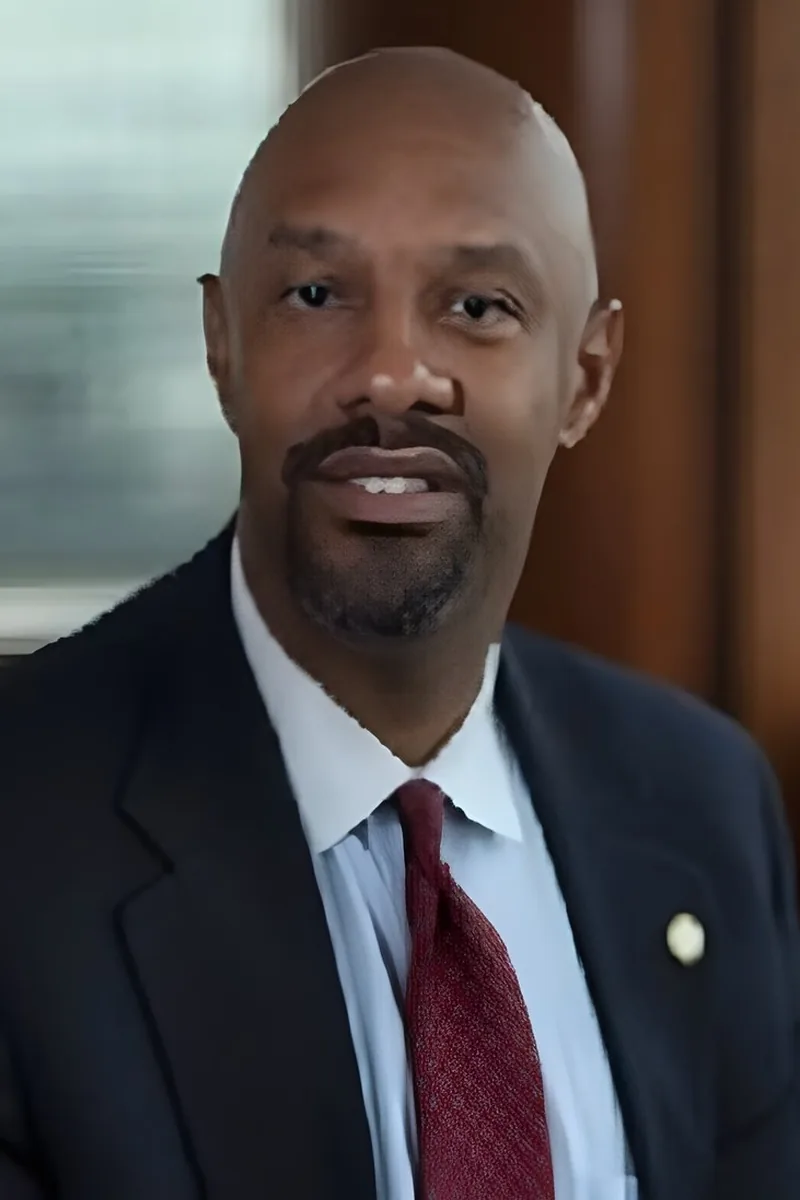
Planning a multi-step project or breaking a semester's worth of material into a weekly study schedule requires the same structured thinking Andrew used throughout his engineering and MBA programs. He teaches students concrete systems for prioritizing tasks, managing time, and organizing materials so that deadlines stop feeling like emergencies. Rated 4.8 by students and families.
Jennifer's teaching spans everything from elementary math to college essays to business courses, which means she's constantly adapting how she structures sessions for students at very different developmental stages — a skill that translates directly into coaching executive functioning. She zeroes in on the specific habits a student is missing, whether that's learning to estimate how long a reading assignment will actually take or building a consistent workflow for managing multiple classes at once. Her background in study skills and organization gives her concrete strategies rather than vague advice about "trying harder."
Hello! I am an Arizona State University graduate with a Bachelors of Science in Biological Science. My academic background is grounded in both technical problem-solving and a deep curiosity about how systems, whether digital or human, function. Outside the classroom, I've had the opportunity to work with students across a range of ages and abilities, from mentoring engineering and premed undergraduates at ASU to tutoring high schoolers in SAT/ACT prep, as well as K-12 students through Teach for America. I am comfortable with a range of subjects and am willing to work to meet your needs. Below are some of courses I have successfully tutored for in the past. K12 Subjects Elementary School (K5) Math (Basic Arithmetic, Word Problems) Reading & Phonics Writing & Grammar Science Social Studies Study & Organization Skills Middle School (68) Pre-Algebra Algebra I General Science (Life, Earth, Physical) English Language Arts (Reading, Writing) U.S. History & World History Intro to Coding / Computer Science High School (912) Algebra I & II Geometry Trigonometry Pre-Calculus Calculus AB/BC Biology (General, Honors) Chemistry (General, Honors) Physics (Conceptual, Algebra-Based) English Literature & Composition Essay Writing & Editing U.S. History & World History Psychology Economics & Government Health / Human Development Ethics / Philosophy Study Skills / Test Prep Standardized Test Prep SAT: Math, Reading, Writing & Language, Essay ACT: Math, Science, English, Reading, Essay PSAT MCAT (Content review & strategy) TOEFL / ESL (Certified ESL experience) AP Subjects AP Biology AP Chemistry AP Physics 1 AP Environmental Science AP Calculus AB AP Statistics AP English Language and Composition AP English Literature and Composition AP Psychology AP U.S. History AP World History AP U.S. Government & Politics AP Human Geography AP Macroeconomics / Microeconomics AP Computer Science Principles AP Seminar / Research College-Level Subjects STEM & Premed General Biology I & II Cell Biology Genetics Human Anatomy & Physiology General Chemistry I & II Organic Chemistry I & II Biochemistry Physics I & II (Algebra-Based) Calculus I & II Statistics (Introductory / Biostats) Humanities & Social Sciences Intro to Psychology Intro to Sociology Scientific Writing & Critical Thinking Medical Ethics Bioethics Philosophy of Science / Biology Research Writing & Academic Essays Business & Economics Intro to Macroeconomics Intro to Microeconomics Principles of Finance Financial Literacy / Budgeting Basics
Five years working specifically with students with learning differences taught Sydney where the real sticking points are — the student who knows what the assignment says but can't figure out where to start, or the one who chronically underestimates how long a reading response will take. She ties executive functioning strategies like task breakdown and self-monitoring directly to the English and Spanish coursework she also tutors, so students practice these skills on actual assignments rather than in isolation. Rated 4.9 by clients.
Breaking large assignments into sequenced steps, building weekly planning routines, managing deadlines across multiple classes — Manuel tackles the organizational side of academics that often goes untaught. His structured approach to executive functioning gives students concrete systems they actually use, not just advice to "stay organized." Rated 5.0 by students.
Medical school demands serious executive functioning — juggling anatomy, biochemistry, and clinical rotations means Kaitlyn has battle-tested systems for time management, task prioritization, and breaking large projects into manageable steps. She teaches students how to build their own planning routines, from using calendars effectively to chunking study sessions so material actually sticks. Rated 4.8 by students and families.
I hold a Bachelor's degree in Cognitive Neuroscience from Brown University and am currently completing a PhD in Psychology. My tutoring style is structured, supportive, and warm. I focus on breaking big goals into manageable steps, building realistic study routines, and helping students develop systems they can actually maintain. I emphasize executive function skills such as planning, time management, task initiation, and follow-through, while integrating mindfulness-based strategies to support focus, reduce anxiety, and improve confidence. Whether working with a younger student or an adult learner, my goal is to help students feel capable, organized, and increasingly independent in their learning.
Planning, prioritizing, managing time, and shifting between tasks — these executive functioning skills underpin academic success but rarely get taught explicitly. Derek tackles them as teachable skills, building concrete systems like task checklists, color-coded planners, and structured routines that students internalize over time. His doctorate focused on how curriculum design shapes learning behavior, which gives him a research-grounded toolkit for strengthening these cognitive habits.
Hello! My name is Sam Bicking. I am an alumni and student at The University of Pennsylvania studying Pre-health sciences before entering medical school. I have been tutoring for several years with students with disabilities (and amazing students without disabilities).
The best part of tutoring is promoting students' long-term success through mastery of reading, writing, math, study skills, organization, and critical thinking. In particular, I enjoy helping students build test-taking strategies and core skills for the ACT, SAT, and other admissions tests. I also support pre-K and K-12 students learning math and ELA. Before joining Varsity, I tutored in a Reading and Writing Lab for university students with learning disabilities where I earned a College Reading and Learning Association (CRLA) certification. Since joining Varsity, I have completed continuing education through the Lastinger Center for Learning. I graduated from the University of Arizona in 2021 with a BA in Cultural Anthropology. In addition to tutoring, I have worked as an instructional aide for an art program, an applied anthropology researcher, and a nonprofit program coordinator. Out of all these experiences, I enjoy tutoring the most. I look forward to working with you!
Planning a multi-step essay, breaking a semester-long project into weekly milestones, keeping track of deadlines across six classes — these are executive functioning challenges Gabby addresses directly. Her five-plus years as a tutor and writing coach have centered on building concrete systems for organization, time management, and task prioritization that students can actually maintain on their own.
Planning, prioritizing, and managing time across multiple commitments is something Sydny had to master while juggling three undergraduate majors and medical school preparation. She breaks executive functioning into specific, practicable skills — task initiation, deadline mapping, and self-monitoring — so students build routines that work independently of a tutor's reminders.
Testimonials
Because the right Executive Functioning tutor makes all the difference.
Average Session Rating – Based on 3.4M Learner Ratings
Nearby Executive Functioning Tutors
Other Boston Tutors
Frequently Asked Questions
Executive functioning refers to the mental processes that help us plan, organize, manage time, and complete tasks—skills that are essential for academic success. These include working memory, flexibility, and self-control. Students who struggle with executive functioning often have difficulty organizing assignments, managing deadlines, breaking down complex projects, and staying focused, which can impact grades across all subjects regardless of their actual knowledge.
In Boston's rigorous academic environment across 32 schools and 6 school districts, strong executive functioning skills are particularly valuable. With typical student-teacher ratios of 11.2:1, many students benefit from personalized support that helps them develop these critical skills independent of classroom instruction.
Common challenges include difficulty with organization (losing materials, messy binders or digital folders), procrastination, poor time management, trouble breaking large projects into smaller steps, difficulty with transitions between tasks, and challenges sustaining attention on less preferred activities. Many students also struggle with working memory—holding and manipulating information mentally—which affects their ability to follow multi-step directions or hold information while working through problems.
Some students know the material but struggle to show what they know because they can't organize their thoughts or manage the test-taking process. These challenges aren't about intelligence; they're about the systems and strategies students use to manage their work.
In a classroom setting with 20+ students, teachers focus on content delivery and can't individualize the organizational and planning strategies each student needs. Personalized 1-on-1 instruction allows tutors to assess your student's specific challenges, teach targeted strategies, and practice them with real schoolwork—whether that's an upcoming essay, study plan for a test, or long-term project.
A tutor can work at your student's pace, adjust strategies when something isn't working, and help them develop systems for managing their particular courses and teachers' expectations. This personalized approach helps students build independence and confidence in managing their own academic work.
Executive functioning demands increase significantly at transition points. Middle school (grades 6-8) brings multiple teachers with different expectations, increased independence, and longer-term projects—this is often when organizational struggles become visible. The jump to high school intensifies further, with more complex assignments, self-advocacy expectations, and college preparation.
That said, challenges can emerge earlier in elementary school, and many college-bound high school students still benefit from refining their systems. The key is identifying where your student is struggling and getting support tailored to their current grade-level demands and future goals.
With consistent personalized instruction, students typically show measurable improvements including: turning in assignments on time, less lost or forgotten materials, better organized notes and study materials, ability to break large projects into manageable steps, reduced procrastination, and improved test preparation. Many students also report lower stress and anxiety around schoolwork once they have reliable systems in place.
Perhaps most importantly, students develop independence and transferable skills—strategies they can apply across all their classes and into college and beyond. Progress usually becomes visible within 4-6 weeks of consistent work, though building lasting habits takes longer.
The best time is when you notice patterns of struggle—repeated missed assignments, incomplete homework, difficulty organizing materials, or increasing frustration around schoolwork. Waiting until grades drop significantly or your student is overwhelmed often makes catching up harder. Early intervention (even in elementary or early middle school) helps establish strong habits before students face more demanding coursework.
It's also valuable to address executive functioning proactively during major transitions: moving to middle school, starting high school, or preparing for college. Varsity Tutors can connect you with tutors who specialize in executive functioning and can assess where your student needs the most support.
Start by identifying your student's specific challenges—is it organization, time management, procrastination, working memory, or a combination? Having concrete examples (like a specific assignment that went poorly or a deadline they missed) helps. Then connect with Varsity Tutors to be matched with a tutor who specializes in executive functioning and understands the demands of Boston-area schools.
Your initial conversation with a tutor should cover your student's current grade and course load, their biggest pain points, and what success looks like for your family. A good fit means the tutor can teach strategies your student will actually use and adapt as your student's needs evolve.
Let’s find your perfect tutor
Answer a few quick questions. We’ll recommend the right plan and match you with a top 5% tutor.