Award-Winning Biochemistry Tutors
serving Gilbert, AZ
Biochemistry
Tutors in Gilbert
Private 1-on-1 tutoring, weekly live classes for academic support, test prep & enrichment, practice tests and diagnostics, and more to elevate grades and test scores.
Based on 3.4M Learner Ratings
UniversitiesSchools & Universities
DeliveredHours Delivered
ProficiencyGrowth in Proficiency
Who needs tutoring?
No obligation. Takes ~1 minute.
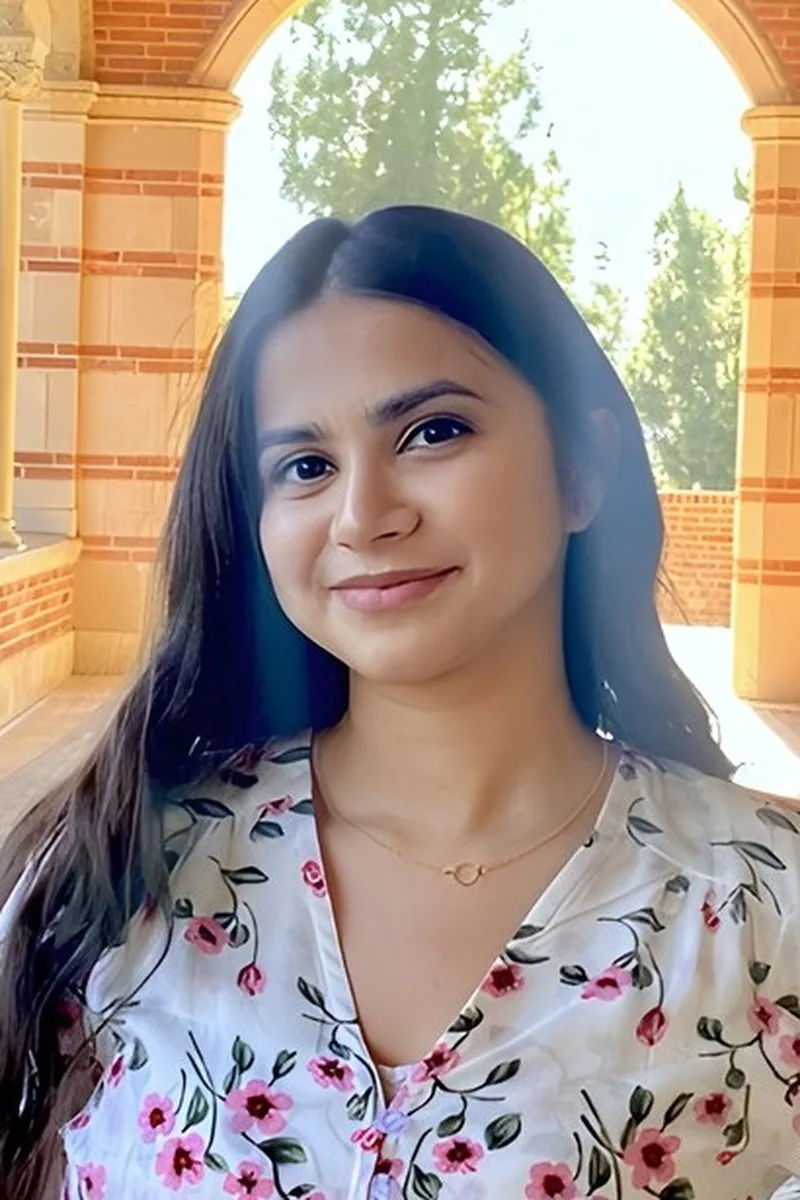
UCLA's biological sciences program gave Arshia a solid grounding in the molecular machinery of life — protein structure, metabolic pathways, and the organic chemistry that ties them together. She also tutors MCAT prep across multiple sections, which means she's used to explaining concepts like enzyme kinetics and amino acid properties at the level of detail that college biochemistry courses actually demand. Rated 5.0 by students.
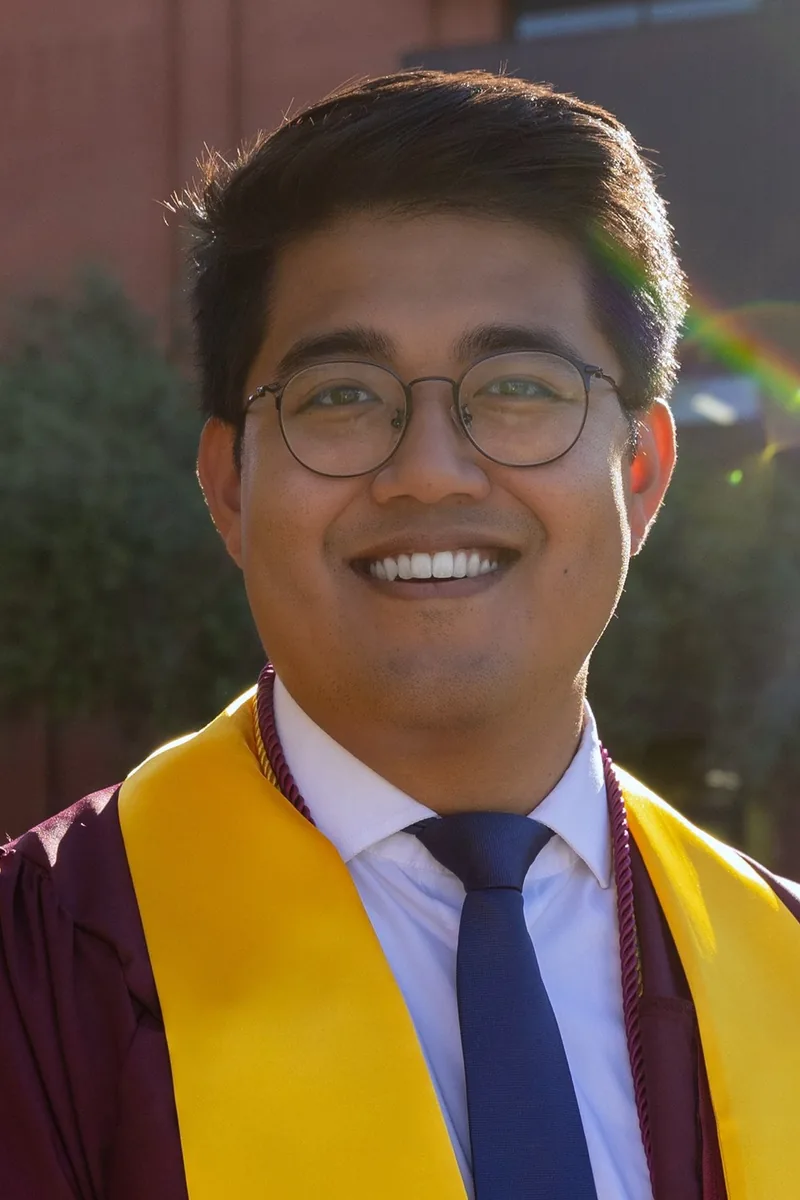
Hello! I am an Arizona State University graduate with a Bachelors of Science in Biological Science. My academic background is grounded in both technical problem-solving and a deep curiosity about how systems, whether digital or human, function. Outside the classroom, I've had the opportunity to work with students across a range of ages and abilities, from mentoring engineering and premed undergraduates at ASU to tutoring high schoolers in SAT/ACT prep, as well as K-12 students through Teach for America. I am comfortable with a range of subjects and am willing to work to meet your needs. Below are some of courses I have successfully tutored for in the past. K12 Subjects Elementary School (K5) Math (Basic Arithmetic, Word Problems) Reading & Phonics Writing & Grammar Science Social Studies Study & Organization Skills Middle School (68) Pre-Algebra Algebra I General Science (Life, Earth, Physical) English Language Arts (Reading, Writing) U.S. History & World History Intro to Coding / Computer Science High School (912) Algebra I & II Geometry Trigonometry Pre-Calculus Calculus AB/BC Biology (General, Honors) Chemistry (General, Honors) Physics (Conceptual, Algebra-Based) English Literature & Composition Essay Writing & Editing U.S. History & World History Psychology Economics & Government Health / Human Development Ethics / Philosophy Study Skills / Test Prep Standardized Test Prep SAT: Math, Reading, Writing & Language, Essay ACT: Math, Science, English, Reading, Essay PSAT MCAT (Content review & strategy) TOEFL / ESL (Certified ESL experience) AP Subjects AP Biology AP Chemistry AP Physics 1 AP Environmental Science AP Calculus AB AP Statistics AP English Language and Composition AP English Literature and Composition AP Psychology AP U.S. History AP World History AP U.S. Government & Politics AP Human Geography AP Macroeconomics / Microeconomics AP Computer Science Principles AP Seminar / Research College-Level Subjects STEM & Premed General Biology I & II Cell Biology Genetics Human Anatomy & Physiology General Chemistry I & II Organic Chemistry I & II Biochemistry Physics I & II (Algebra-Based) Calculus I & II Statistics (Introductory / Biostats) Humanities & Social Sciences Intro to Psychology Intro to Sociology Scientific Writing & Critical Thinking Medical Ethics Bioethics Philosophy of Science / Biology Research Writing & Academic Essays Business & Economics Intro to Macroeconomics Intro to Microeconomics Principles of Finance Financial Literacy / Budgeting Basics
Enzyme kinetics, amino acid structures, metabolic pathways — biochemistry demands that students hold chemistry and biology in their heads simultaneously. Pooja's dual immersion in biology coursework and science tutoring gives her a practical way of connecting molecular interactions to the bigger biological picture, so Michaelis-Menten plots and glycolysis diagrams start making sense together.
Co-teaching an organic chemistry lab at UC Berkeley — fielding questions, demonstrating techniques, working alongside a graduate TA — gave Yuxuan a fluency with reaction mechanisms that translates directly into how he teaches biochemistry topics like metabolic pathways and enzyme catalysis. His biochemistry degree means he can trace each step of something like the citric acid cycle back to the organic chemistry logic driving it, making dense pathway diagrams feel like a sequence of familiar reactions. Rated 4.9 by students.
Enzyme kinetics, metabolic pathways, and protein structure sit right at the intersection of Aimee's two degrees — chemical engineering and biosystems engineering. She unpacks topics like Michaelis-Menten kinetics and amino acid chemistry by tying them to the biomedical research context she works in at Georgia Tech, making dense material feel purposeful.
Managing an immunology lab means Matthew doesn't just teach enzyme kinetics, protein structure, or metabolic pathways from a textbook — he uses them daily in his breast cancer research at Columbia. He walks through topics like signal transduction, amino acid chemistry, and lipid metabolism with the kind of specificity that turns confusing diagrams into logical sequences students can actually reason through.
Zachary earned both his BS in Biology and a master's in Molecular Biology, which means he's traced biochemical pathways from two different altitudes — the broad cellular view and the granular molecular detail. That dual training comes through when he unpacks topics like lipid metabolism or allosteric enzyme regulation, building each concept from its chemical logic so the bigger metabolic map starts to make sense on its own.
I am most passionate about biology and chemistry. I am a firm proponent of education, believing it to be absolutely necessary for an improved quality of life, and I try to impart this appreciation to all of my students.
Marc earned his bachelor's in biochemistry before entering an MD/PhD program, so enzyme kinetics, metabolic pathways, and protein structure aren't abstract topics for him — they're daily tools. He breaks down dense material like the citric acid cycle or amino acid chemistry into logical sequences that stick without brute-force memorization.
Rohan's economics training might seem distant from biochemistry, but econometrics and metabolic pathway analysis share a core skill — tracing how one variable's change cascades through an interconnected system. He applies that quantitative reasoning to topics like enzyme kinetics and metabolic regulation, breaking down rate equations and feedback loops with the same rigor he brings to economic models. Rated 4.9 by students.
Enzyme kinetics, metabolic pathways, protein structure — biochemistry demands that students hold molecular-level details and big-picture biological function in their heads simultaneously. Gabe studied neuroscience and behavior as an undergraduate, which meant living in biochemistry coursework and understanding how molecular interactions drive everything from cellular respiration to neurotransmitter signaling. He breaks down dense pathway diagrams into cause-and-effect chains that are far easier to retain.
Studying cognitive science on a pre-med track at Rice means Natalie lives in the overlap between biology and chemistry every semester — enzyme kinetics, metabolic pathways, and protein structure are part of her daily coursework. She unpacks biochemistry by anchoring molecular details to the bigger biological question they answer, which makes dense material like the citric acid cycle far more digestible.
Pre-med coursework at Northwestern means Manideep is actively working through the toughest parts of biochemistry right now — amino acid structures, membrane transport mechanisms, and the regulatory logic behind major metabolic pathways. That proximity to the material gives him a sharp sense of where students get stuck, especially when translating organic chemistry principles into biological contexts. Rated 5.0 by students.
Enzyme kinetics, metabolic pathways, protein structure — biochemistry demands that students hold chemistry and biology in their heads simultaneously, which is exactly what medical school trains you to do daily. Jamie is currently at Sidney Kimmel Medical College and brings firsthand fluency with topics like Michaelis-Menten kinetics, amino acid chemistry, and the regulation of glycolysis and the citric acid cycle. He breaks down dense pathway diagrams into step-by-step logic that actually makes sense.
Having worked in biochemical laboratories alongside his dual bachelor's degrees — including one in biochemistry — and his architecture studies at Columbia, Andrew brings a rare structural intuition to topics like protein folding and macromolecular assembly. He teaches metabolic pathways by building them up from their organic chemistry foundations, so students see each reaction as a logical next step rather than an isolated arrow on a diagram. Rated 4.9 by students.
Enzyme kinetics, metabolic pathways, protein structure — biochemistry asks students to think across chemistry and biology simultaneously, which is exactly what Saniya's neuroscience and chemistry training prepared her for. She unpacks complex topics like Michaelis-Menten kinetics or amino acid properties by linking molecular behavior to biological function, making dense material more intuitive. Her continued coursework in physiology and histology keeps these connections sharp.
Testimonials
Because the right Biochemistry tutor makes all the difference.
Average Session Rating – Based on 3.4M Learner Ratings
Practice Biochemistry
Free practice tests, flashcards, and AI tutoring for Biochemistry
Other Gilbert Tutors
Related Science Tutors in Gilbert
Frequently Asked Questions
Varsity Tutors matches Gilbert students with expert Biochemistry tutors for 1-on-1 instruction. We pair each student with a tutor based on their specific needs, learning style, and goals.
Whether you need homework help, exam prep, or want to get ahead, our Biochemistry tutors are ready to help.
Common challenges include gaps from earlier material, difficulty with specific concepts, and trouble applying learning to new problems. These issues can snowball quickly in Biochemistry.
A tutor identifies where you're stuck, fills in gaps, and provides targeted practice. The 1-on-1 format means you get help exactly where you need it.
Tutors work with your student's actual coursework—homework assignments, class notes, and upcoming tests. This keeps tutoring directly relevant to what's happening in the classroom.
When you share information about your student's school and curriculum, we can match you with a tutor who has relevant experience.
All tutors complete background checks, credential verification, and teaching evaluation. Many of our Biochemistry tutors hold advanced degrees or have years of teaching experience.
You can review tutor profiles to find someone with the right background for your student's level and needs.
Many students see improved grades within a few weeks, along with better understanding of Biochemistry concepts and more confidence tackling challenging material.
Tutors track progress and adjust their approach to ensure continued improvement.
Most students benefit from 1-2 sessions per week. More frequent sessions help if your student is significantly behind or has an important exam coming up.
Your tutor can recommend a schedule based on your student's specific situation and goals.
Tutoring is purchased in packages of hours, with rates varying by tutor experience. Varsity Tutors offers several options to fit different budgets and needs.
You can discuss pricing during your consultation to find what works best.
Your tutor will assess where your student is, discuss goals, and start working on priority areas. Most students bring current homework or upcoming test material to focus on.
By the end, you'll have a clear sense of how the tutor can help and a plan for moving forward.
Let’s find your perfect tutor
Answer a few quick questions. We’ll recommend the right plan and match you with a top 5% tutor.